Fake Banner
Canadian Epidemiologists Claim Processed Foods Cause Bad Kids

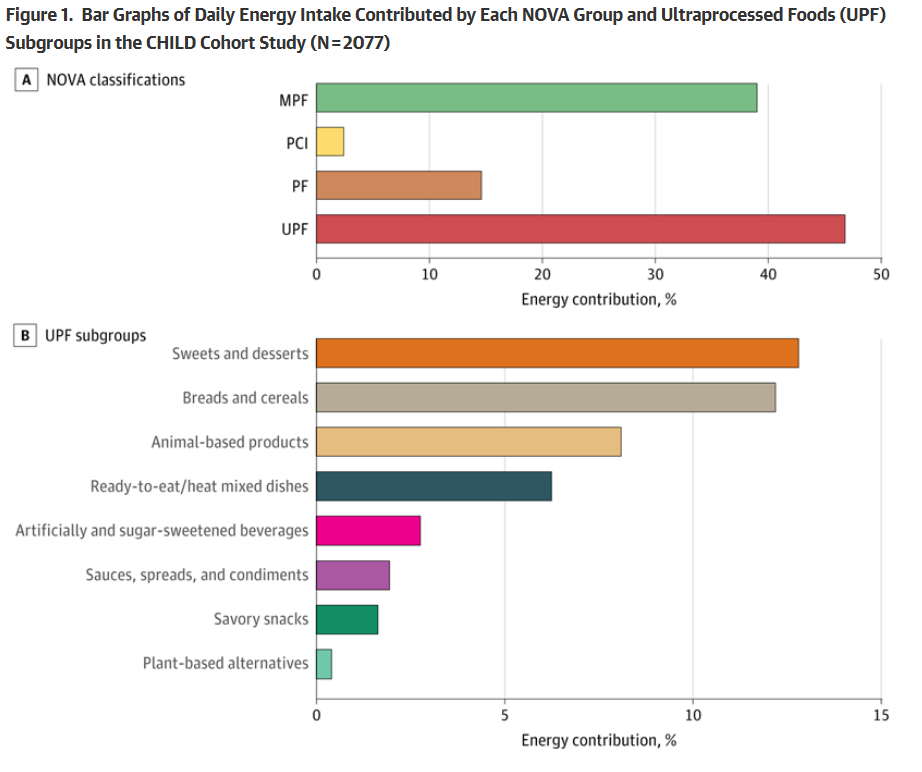
A cohort analysis of preschoolers in Canada has led the authors of the paper to call for bans...
What AI Can't Do: Humanity’s Last Exam

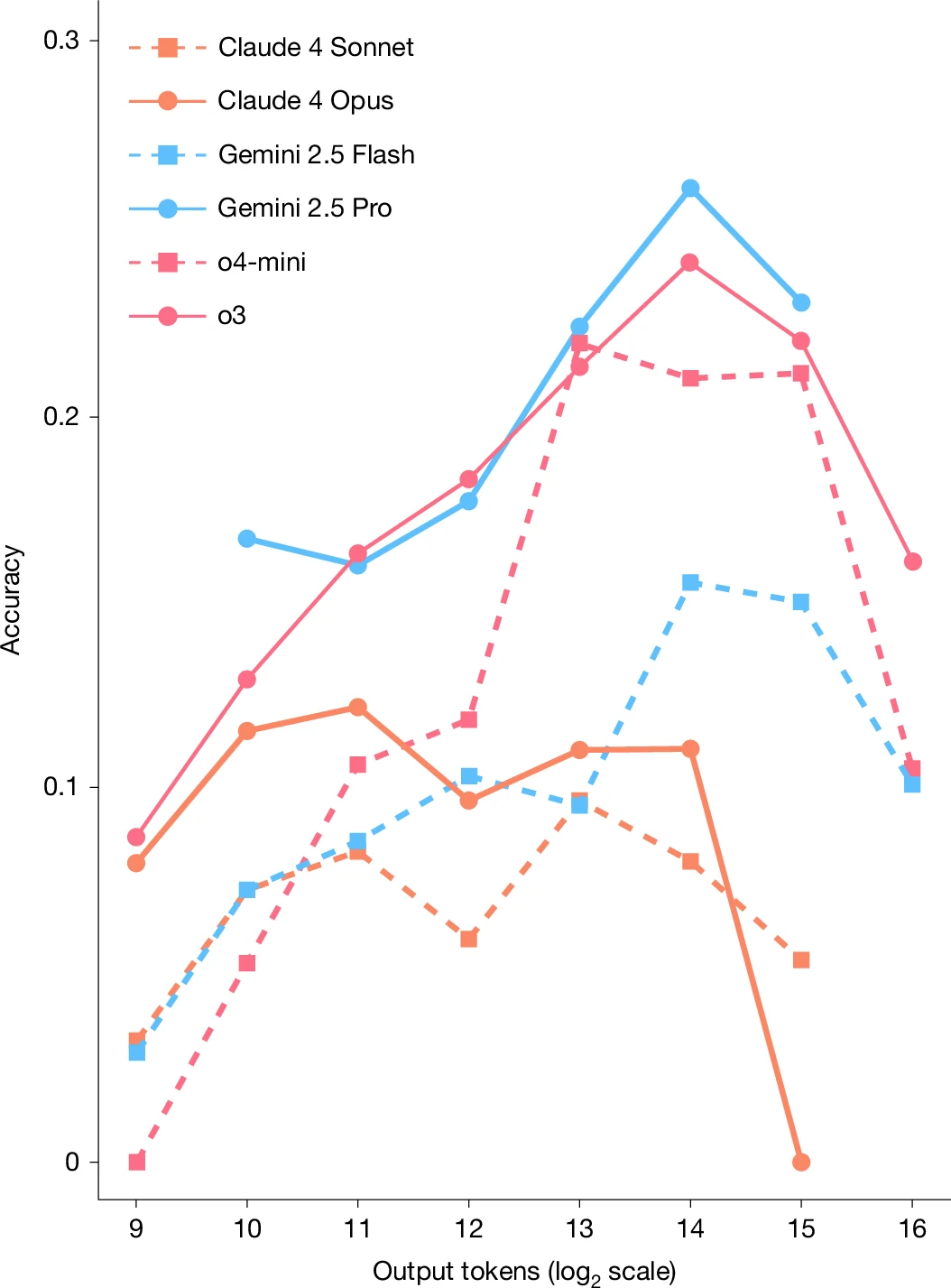
By this time 26 years ago, the "Dot-Com Bubble" was ready to burst. People who wanted to raise...

Does NBA Income Inequality Impact Team Performance?

A new paper says that players where a few superstars get the money leads to less cooperation and...
Dogs And Coffee: Finally, Epidemiology You Can Trust

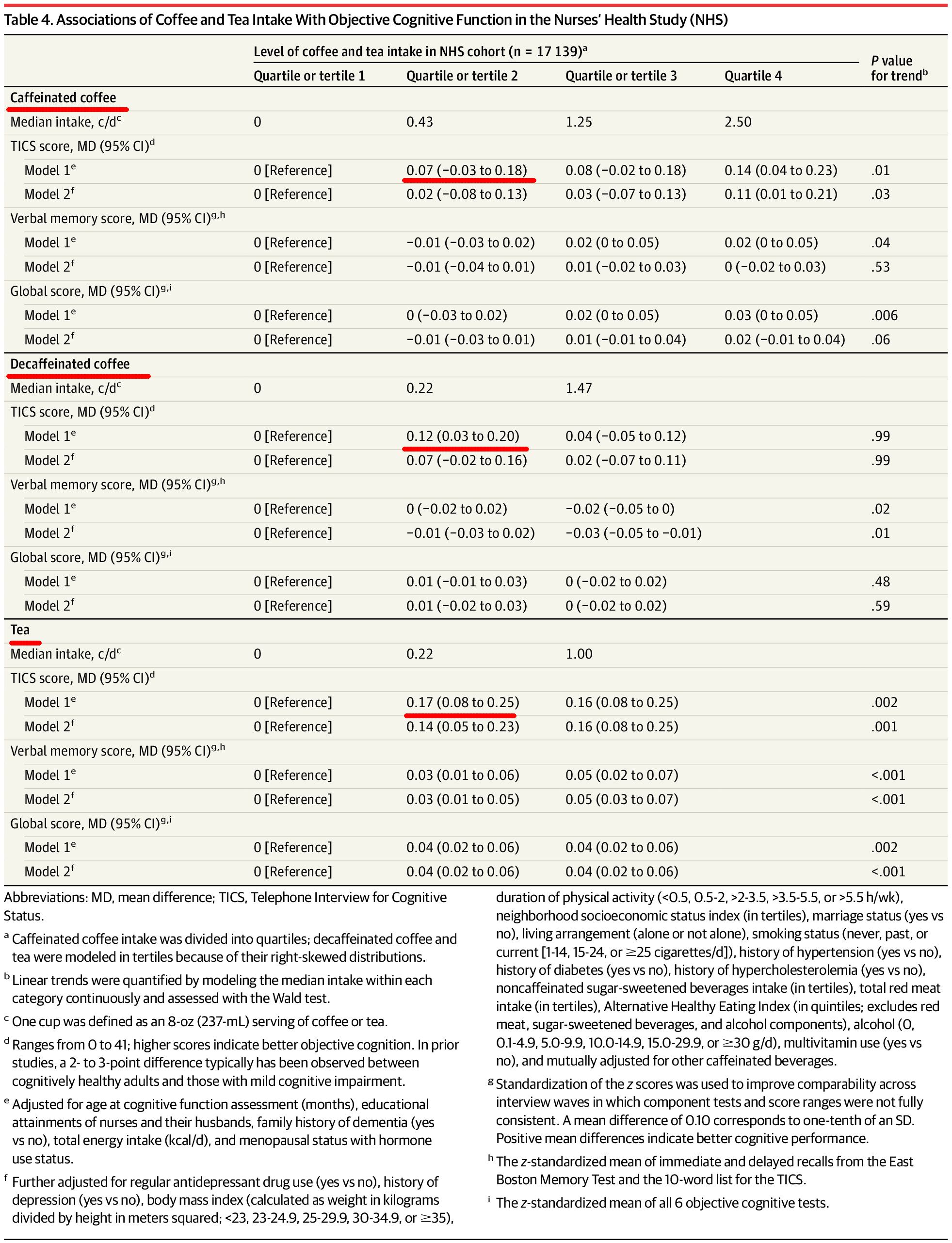
In 2026, it is easy to feel intellectually knocked around by all of the health claims you read...

User picture.
picture for Hontas Farmerpicture for picture for Tommaso Dorigopicture for Fred Phillipspicture for Atreyee Bhattacharyapicture for Patrick Lockerby
Hank CampbellRSS Feed of this column.

I founded Science 2.0® in 2006 and since then it has become the world's largest independent science communications site, with over 300,000,000 direct readers and reach approaching one billion. Read More »

Blogroll
Starting Science 2.0 in 2006, I was as wide-eyed as anyone new to media could be.  My first month I was sure we were about to discover life on other planets, cancer was going to be cured, chocolate was healthy, resveratrol was the one polyphenol to rule them all. Oh, and academic scientists were going to rush to write for the public because I loved science. (1) 

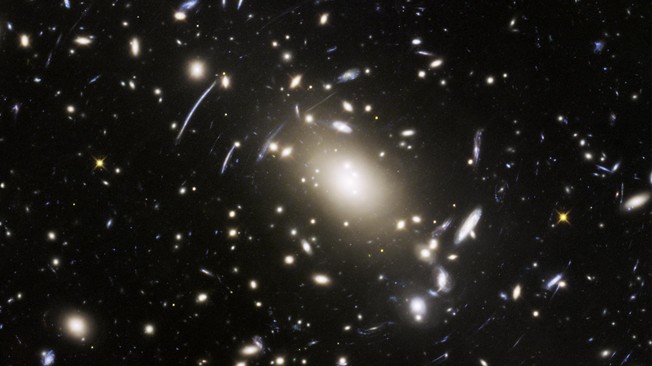
It may not seem to make sense but most of the universe - mass - can really only account for about 6 percent of what is going on. The rest of it can be under just about any umbrella at this point. Some call it the God of the Gaps, scientists call the unknown mass Dark Matter.

What is it? No one knows, when it comes to the very large and the very small, physics does not have all the answers, but something has made the universe at least 100 billion light years in size even though it's only 13 billion years old. As you know, a light year is the distance light will travel in that time. Since nothing can go faster than the speed of light, it's long been time to think about what Nothing is.

That's dark matter. And whatever is propelling it can be called Dark Energy.

The activist army in the war on common pesticides like glyphosate (and adjacently GMOs, they don't know enough science to know they are different) is having a Gettysburg moment.(1) They are out of options so they are making a desperate charge but they are in an open field a long way off and opposing them on the other side is every legitimate science and regulatory body in the world.

If scientists and journalists want the politicization of science to stop, they have to be part of the solution, even if a guy they didn't vote for is in power. But now that he is, all the talk about "depoliticizing science" has been exposed as the farce that we always knew it was.
A vulnerability in the common WPA2 Wi-Fi security protocol means practically every device that connects to a router (which is just about all of them) can be exploited to reveal access to credit card information, passwords and more. The Key Reinstallation Attacks (Krack Attacks) allow anyone in physical proximity to gain access. A flavor of Linux and devices using Android 6.0 and up are especially vulnerable. 

Changing the password won't do any good, the devices themselves need to be updated, so if you are using old technology you may be out of luck. The groups with most to lose will be corporations so they are likely to be updating.


Though every politician and both U.S. parties claim to be pro-science, that isn't reflected in corporate media coverage. The New York Times will publish conspiracy theories drafted by US Right To Know, a corporate front group created by Organic Consumers Association. Washington Post will host a panel on food science and refuse to invite any scientists