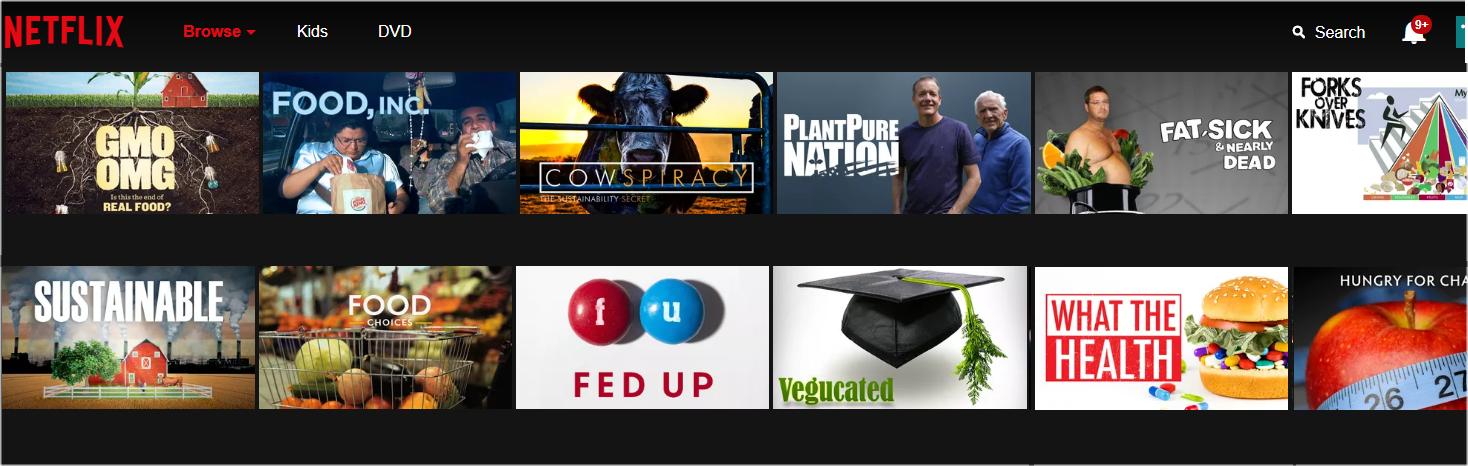
You'll be able to the agriculture documentary called "Food Evolution" on Hulu soon enough but for obvious reasons the filmmakers went to Netflix first. Though the streaming service has thrown $20 billion at everything, they had no interest in a pro-science documentary.
They may have a good reason. Their media buyers and audience don't want science. Like all documentaries, it is a passion project so when disappointments happen, lots of speculation occurs among the fans. Some believe it's a conspiracy against science, like that Netflix is politically aligned with the groups who make their money scaring people about food. (1) Others like me give them a pass and say science documentaries are probably just not a draw for their audience.
We know that corporations go where their market is. Whole Foods sets up shop in wealthy, progressive counties while smaller companies like Monsanto market to rural farmers. What about fast food companies? The claims have been that since there are obese people near places where high densities of restaurants exist, the restaurants must cause the obesity. Less considered is that people might move to where more food choices are and where those are dense, such as in cities, people tend to be more educated.
Glyphosate, a component of the popular herbicide commonly known as Roundup in the United States, has been placed on California's Proposition 65 list, which requires a cancer warning label on it, despite the fact no regulatory body can find evidence it harms anyone or anything other than what it is supposed to harm, much less that it causes any cancer.
A bizarre diatribe published by the hard-left political fanzine Progressive.org came across my desk today.
I even got a mention. I don't delve into politics much, I am a registered Independent and I voted for Clinton in the 2016 election, those are all known, but I run a non-partisan consumer advocacy non-profit and we don't do politics, so I was surprised anyone in a political site would even know who I am.
Then I looked at the author: Paul Thacker.
Last night was the premiere of "Food Evolution", a documentary on the science in our dinner, and I saw it with a large audience for the second time.
Wait, premiere? Second time? Which is it?
It's both. And that is how it became a tale of two cities. And maybe even a metaphor for the two Americas we now live in.
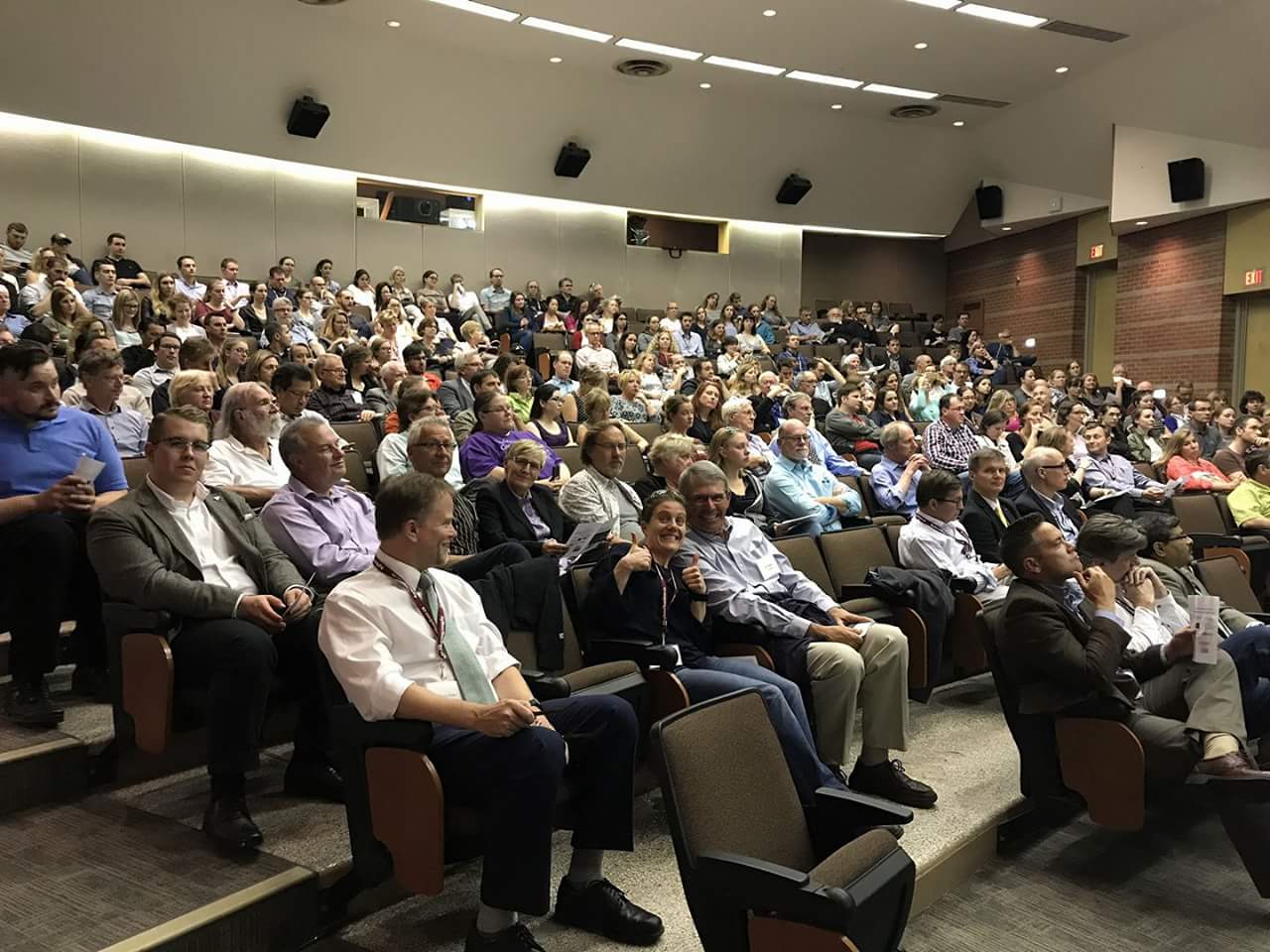
Two weeks ago I moderated a panel on communicating science and, more importantly, risk, at the University of Guelph, Canada's most prominent agriculture school. In the evening, there was a showing of "Food Evolution" in an auditorium there. I don't know how many people attended, it was packed, and before the movie there was a show of hands on how many people were okay with GMOs, how many distrusted them, and how many were unsure.
Since 2014, China has spent $4 billion on advanced agricultural science and is approving new technologies rapidly. Meanwhile, our food science regulatory system remains trapped in the 1980s, paralyzed by environmental lobbyists who buy full-page ads in the New York Times claiming they are "unsure", it just "needs more testing."


 Canadian Epidemiologists Claim Processed Foods Cause Bad Kids
 What AI Can't Do: Humanity’s Last Exam
 Does NBA Income Inequality Impact Team Performance?
 Dogs And Coffee: Finally, Epidemiology You Can Trust