Fake Banner
Ozempic Is A Kickstart, Not Magic - Here Is How To Make Weight Loss Stick

Publicly doctors say all of the things you'd expect a group with heavy state and federal scrutiny...
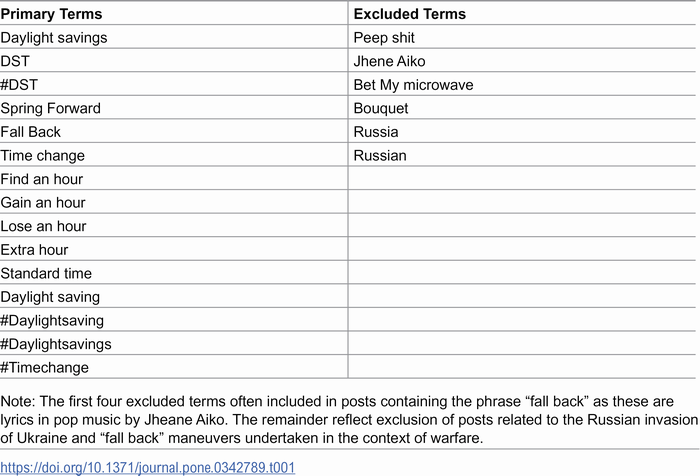
Spring Forward Fall Back: We Hate Changing Clocks But Hate One Change Most

In 1918, with Gen Black Jack Pershing off to France to stop the Germans in World War I, the United...
Canadian Epidemiologists Claim Processed Foods Cause Bad Kids

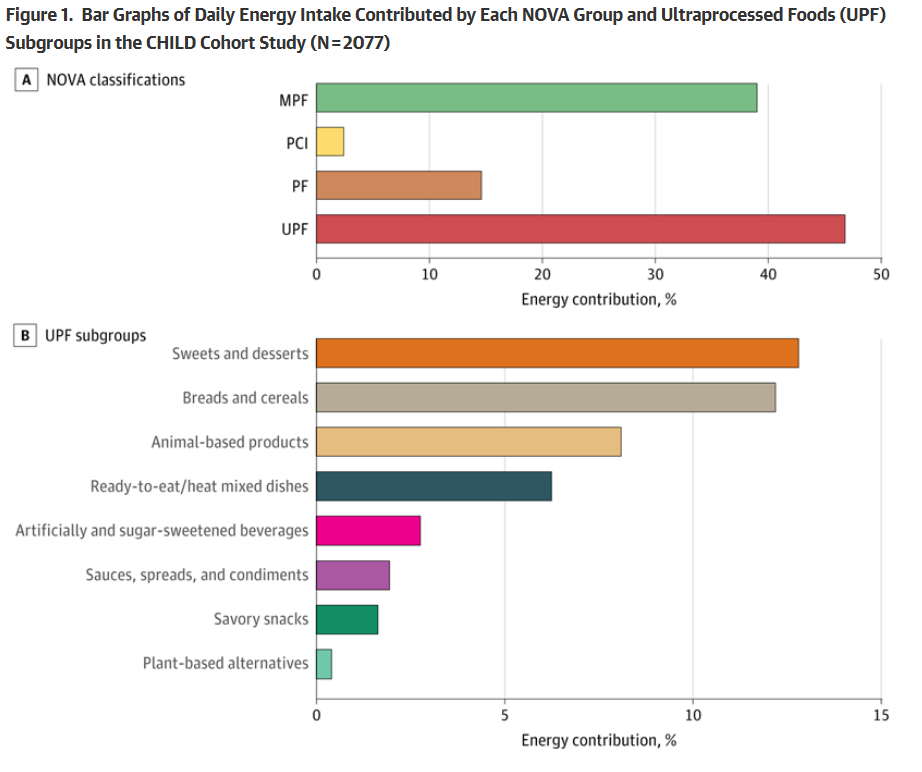
A cohort analysis of preschoolers in Canada has led the authors of the paper to call for bans...
What AI Can't Do: Humanity’s Last Exam

By this time 26 years ago, the "Dot-Com Bubble" was ready to burst. People who wanted to raise...

User picture.
picture for Tommaso Dorigopicture for Hontas Farmerpicture for picture for Fred Phillipspicture for Atreyee Bhattacharyapicture for Patrick Lockerby
Hank CampbellRSS Feed of this column.

I founded Science 2.0® in 2006 and since then it has become the world's largest independent science communications site, with over 300,000,000 direct readers and reach approaching one billion. Read More »

Blogroll
Americans have had it good.

Drug companies have consistently produced new products that have done terrific things, but they are hated by much of the public, to such an extent that marijuana advocates have not only invented medical benefits for cannabis, they think Mexican drug cartels are more ethical than Merck. We only have no issue with the the reality that drug companies are going to be sued at some point no matter how well the products work.

Then there is the political grandstanding of politicians and an increasingly hostile regulatory environment.
If biology fear mongers can't get referendums (let's vote on science!) passed in states like California and Washington where, let's face it, evidence-based thinking about science left long ago, what chance do they have in more politically moderate states? 

Not much, at least in New Hampshire. 

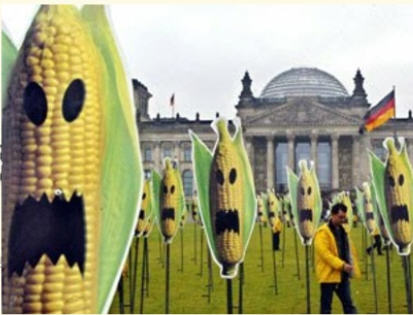
A well-funded effort by Gary Hirshberg, he of the organic giant Hirshberg’s Stonyfield Farms, failed to alarm lawmakers, who instead said that warning labels on GMO foods, in defiance of every scientific body's statements, would be a "rush to judgment", notes National Grange legislative director Grace Boatright.
Throughout the 1990s, environmentalists insisted that ethanol was the wave of our energy future. Vice-President Al Gore even famously broke a tie in the Senate to allow the Environmental Protection Agency to push its use.
In the first decade of the 21st century, blogging really took off. In America, it was embraced by the technologically progressive left and therefore immediately exploited as a marketing tool against the right.
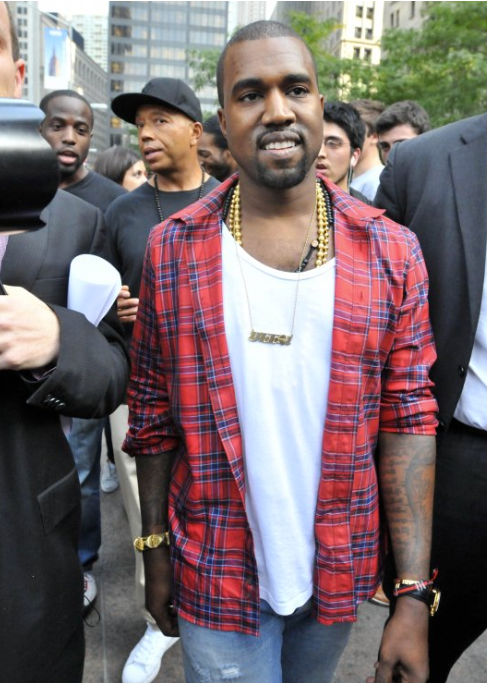
Talking about "the 1 percent" has become a popular pastime, though usually the person doing the talking means someone else - outside TV commercials no one ever cops to being The Man.(1) Protesters in the Occupy Wall Street movement meant it about rich, which investment bankers, for example, so they dutifully ignored the opulent wealth of Kanye West and his $355 t-shirt, Balmain jeans, Givenchy plaid and gold chains when he visited to show support for their cause.

While he buys t-shirts to wear for $355 he only sells his own brand to young fans for $120 each. See? He is such a giver and therefore not part of the 1 percent.

In the 1990s, the US administration decided the best way to protect wages for American workers was by making it very difficult for those pesky foreign science, technology, engineering and math (STEM) graduates living here to get work visas. Student visas remained easy to get, it was okay to spend money to live in the US, but getting paid was a no-no.