Fake Banner
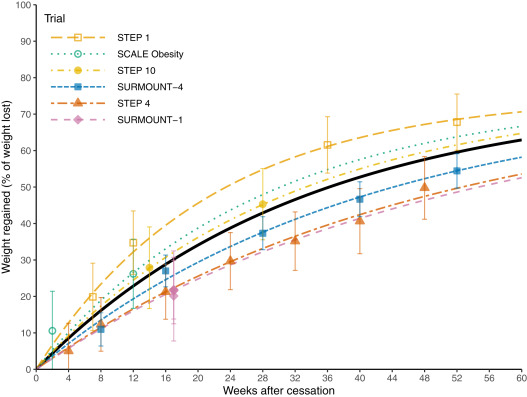
Ozempic Is A Kickstart, Not Magic - Here Is How To Make Weight Loss Stick

Publicly doctors say all of the things you'd expect a group with heavy state and federal scrutiny...
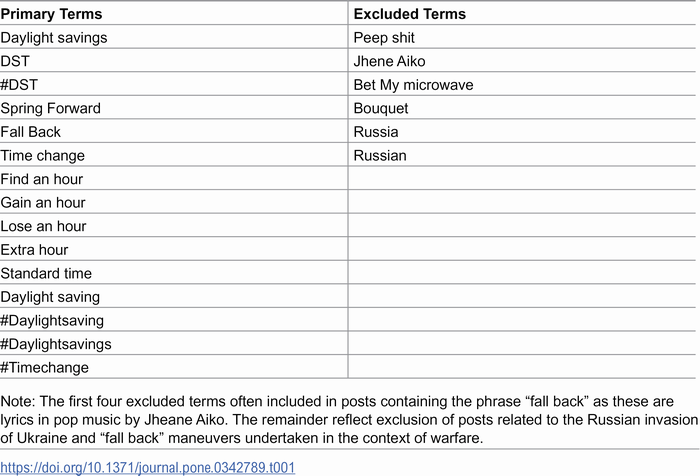
Spring Forward Fall Back: We Hate Changing Clocks But Hate One Change Most

In 1918, with Gen Black Jack Pershing off to France to stop the Germans in World War I, the United...
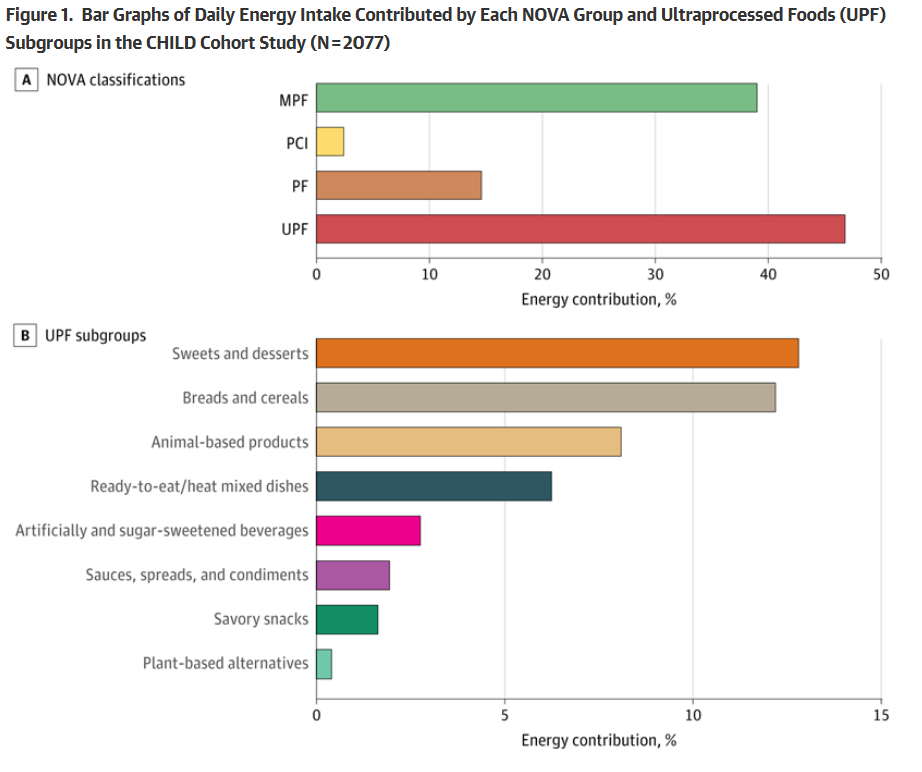
Canadian Epidemiologists Claim Processed Foods Cause Bad Kids

A cohort analysis of preschoolers in Canada has led the authors of the paper to call for bans...
What AI Can't Do: Humanity’s Last Exam

By this time 26 years ago, the "Dot-Com Bubble" was ready to burst. People who wanted to raise...

User picture.
picture for Tommaso Dorigopicture for Hontas Farmerpicture for picture for Fred Phillipspicture for Atreyee Bhattacharyapicture for Patrick Lockerby
Hank CampbellRSS Feed of this column.

I founded Science 2.0® in 2006 and since then it has become the world's largest independent science communications site, with over 300,000,000 direct readers and reach approaching one billion. Read More »

Blogroll
In the summer of 2012 I wrote Celiac: The Trendy Disease For Rich White People, which annoyed a few people with celiac disease but a whole bunch of people who had latched onto a fad and craved medical or scientific legitimacy in doing so.

Anaphylaxis is a severe, sometimes life-threatening allergic reaction. After being exposed to a substance, sometimes even for the first time, the body releases histamine, allergen fighting antibody immunoglobulin E and other substances, which can cause airways to tighten and other symptoms. 

Anaphylaxis has occurred, and been known about, basically forever. Charles Richet coined the modern term and got a Nobel Prize in Medicine in 1913 for his work.

I-522, the initiative in Washington state that would have required special labels for foods that are genetically modified (a gene has been transferred from another organism to express a natural trait), has been defeated, making two high-profile defeats in a row for detractors of science who were trying to accomplish through legislation what they could not do in the marketplace. A similar California initiative lost last year.

There's a little-known dirty secret in science funding; prior to World War II and the Manhattan Project, the overwhelming majority of basic research was done by corporations. Thus, the tanks, planes, materials advancements and everything else were created by the private sector.

Dengue fever is the most common vector-borne disease in the world, the World Health Organization estimates that 2.5 billion people at risk and that up to 390 million people are infected with the virus each year. There's no medication and no vaccine, so obviously the best solution is to control the insects themselves. Not using dangerous chemicals is even better.

You'd be surprised how many people don't want to save 1 in 18 people every year from this disease, if it violates their sense of First World entitlement. Yet anti-science activists remain against using nature to fight nature.

How much impact can taxes and bans have on the conduct of people?

Quite a lot. A 500% tax would clearly reduce demand while outright bans of desired products keep law-abiding people from using a product - and make the others rich.

In defiance of well-established history of resentment about government steering drink choices for freedom-loving westerners - the UK lost a whole colony when they decided to force their subjects to buy only the brand of tea elites wanted them to buy(1) - a subset of progressive social authoritarians maintain that higher taxes on soda drinks, juices, etc. would fix obese people, despite data showing it has never once worked.