Fake Banner
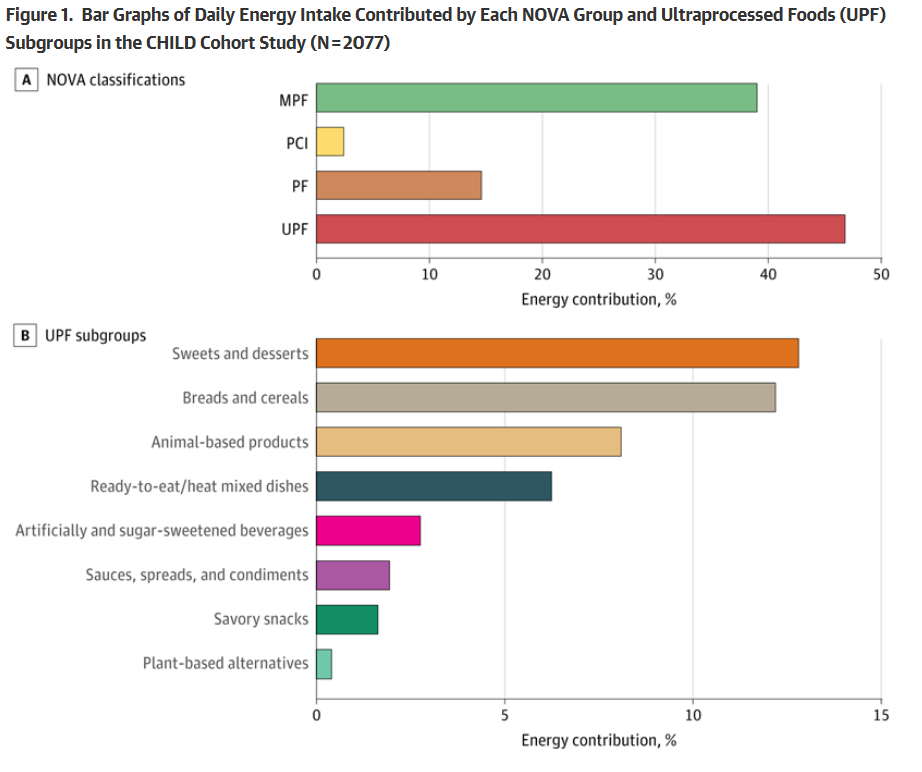
Canadian Epidemiologists Claim Processed Foods Cause Bad Kids

A cohort analysis of preschoolers in Canada has led the authors of the paper to call for bans...
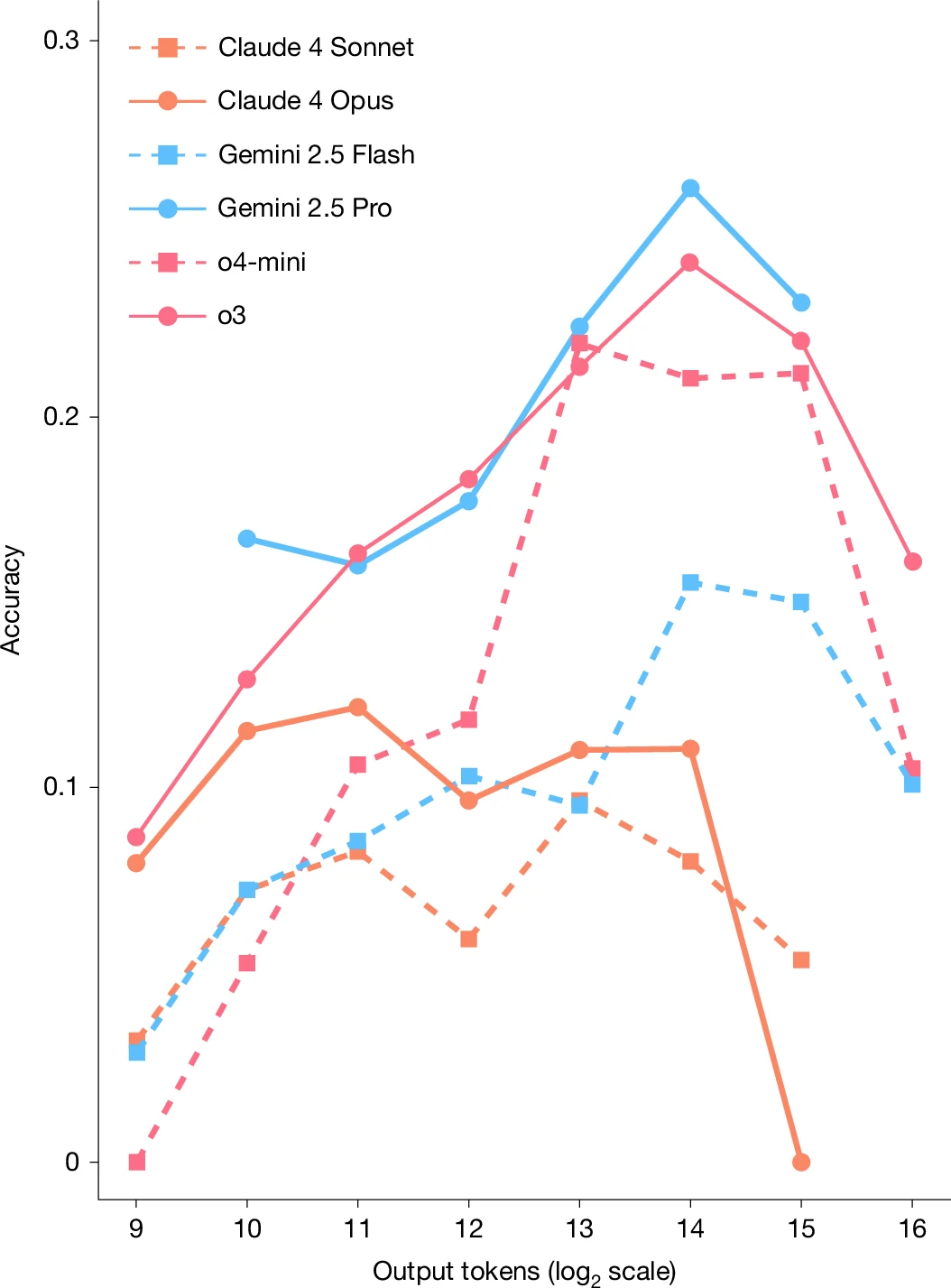
What AI Can't Do: Humanity’s Last Exam

By this time 26 years ago, the "Dot-Com Bubble" was ready to burst. People who wanted to raise...
Does NBA Income Inequality Impact Team Performance?

A new paper says that players where a few superstars get the money leads to less cooperation and...
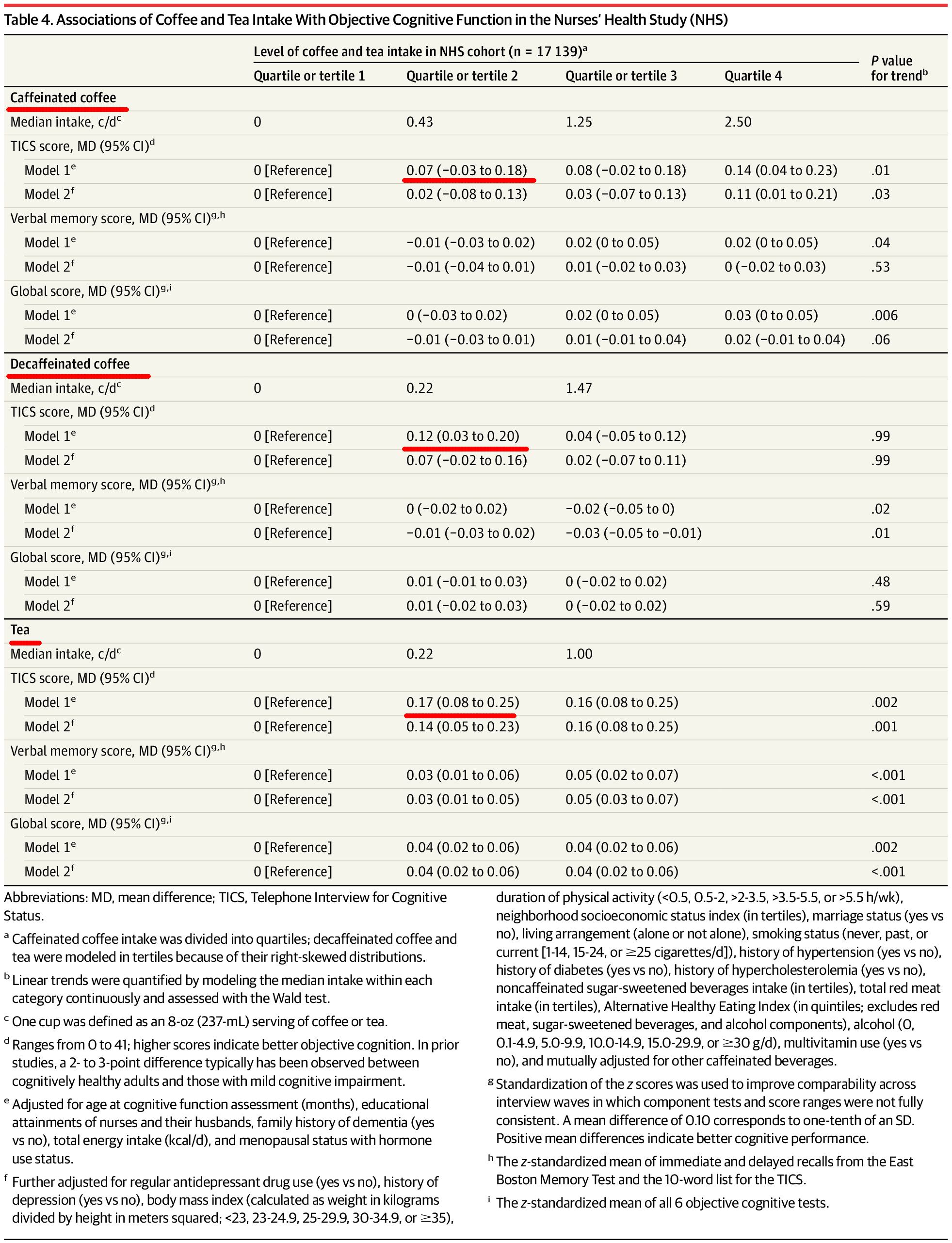
Dogs And Coffee: Finally, Epidemiology You Can Trust

In 2026, it is easy to feel intellectually knocked around by all of the health claims you read...

User picture.
picture for Hontas Farmerpicture for picture for Tommaso Dorigopicture for Fred Phillipspicture for Atreyee Bhattacharyapicture for Patrick Lockerby
Hank CampbellRSS Feed of this column.

I founded Science 2.0® in 2006 and since then it has become the world's largest independent science communications site, with over 300,000,000 direct readers and reach approaching one billion. Read More »

Blogroll
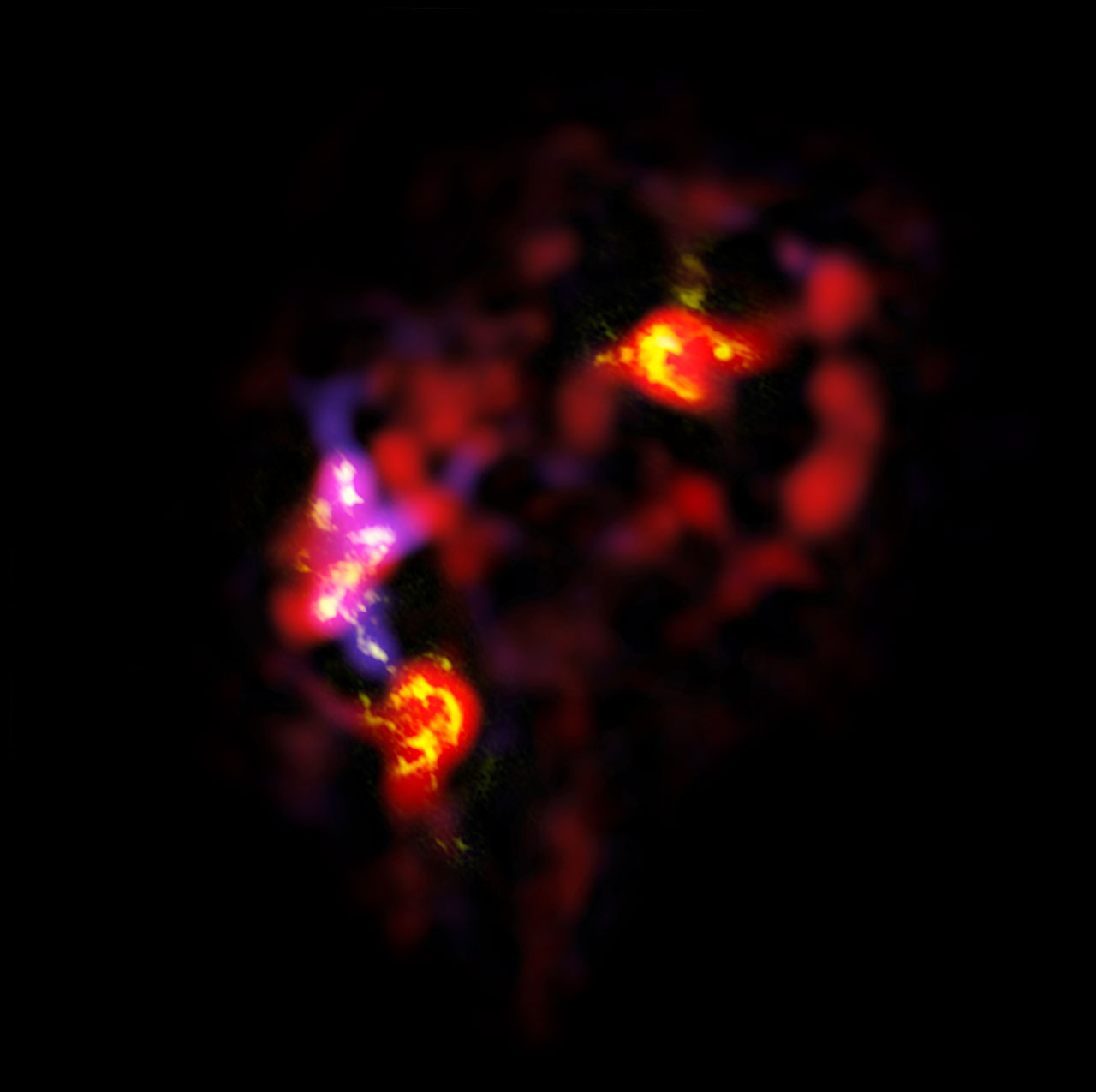
The world's most complex ground-based astronomy observatory, the Atacama Large Millimeter/submillimeter Array (ALMA) on on the Chajnantor plateau in northern Chile, has officially opened for astronomers.

A lack of light pollution and anti-science hippies filing lawsuits has made Chile a new favorite spot for space science and the first image we got after ALMA opened its eyes is darn spectacular.  What we can't see with visible-light or infrared telescopes, ALMA can see just fine.  And the image below is with only 12 of its final 66 radio antennas.  It's fitting that the first image was of the Antenna Galaxies.
Is your cell phone a known carcinogen? Do cell phones give you cancer?  Well, the precautionary principle contends unless you can prove cell phones can't give you cancer, then they are a concern.  Fortunately, the precautionary principle isn't overused by everyone (though when it is, the politically like-minded dismiss it as policy disagreement and not being anti-science) but any time you have an anti-science hotbed, it will get trotted out.
Who says mathematics papers can't be practical?  Noah T. Jafferis, Howard A. Stone, and James C. Sturm of Princeton took a theoretical shot at a flying hoverboard and made it work - except it is a 4-inch conductive plastic sheet that “flies” using transverse traveling waves so don't get dreams of Marty McFly in "Back To The Future II" about it just yet, despite my title. A hoverboard using this current technology will need to be 50 feet wide to carry you.
It makes environmental activists crazy, in that 'believe scientists when science agrees with us but scientists are out to kill us when science doesn't agree' kind of way, but a large study of U.S. adults found that the more science they knew and the more independent they were, the less they were worried about climate change.
Being in media, it's easy to get inundated with convincing opposing data and so it's easy to understand why it can be confusing for the public who don't have hours each day to sift through it all. Over a decade ago, for example, people were concerned that American students tested poorly against students in Asia.  No Child Left Behind, which established education performance standards for states, therefore had terrific bipartisan support when it was instituted - it passed 384–45 in the House and 91-8 in the Senate.  Educators were that convincing in their concerns that students were losing ground worldwide.
After the election of Barack Obama in 2008, I had a few isolated concerns about his true science colors; he had issued creepy vaccine-autism statements, his transition team was stuffed with people who believed in anti-science UFO conspiracies, another suspect pick was tipped to run the EPA until his anti-vaccine quackery couldn't be hidden any more, and one of his picks thought girls couldn't do math. For a guy supposedly better for science his advisors were a concern.   John Holdren looked like a science pick, though he had a lot of Doomsday hysteria in his past so he was basically a question mark.