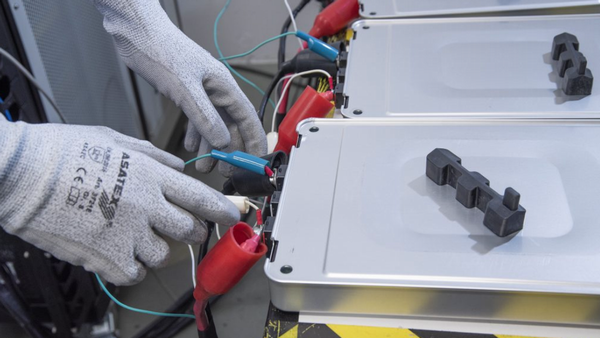
If you believe your electric car is not using the 80 percent of electricity generated by conventional fuels, you may also believe the high cost is worth it to save the environment. But there is no running from the environmental problems created by the cars themselves.
There can be no sustainable value chain when we haven't had new batteries in 30 years. Unfortunately, as long as mandates and subsidies are in effect, there is no incentive to create better technology, which means the only hope is to reuse old, inefficient batteries in order to mitigate the high social and environmental toll electric cars extract now.
Right now,
17 percent of the US is cropland while 51 percent is open and essentially unused. We have more open space in the US than the entire continent of Africa, only 3 percent of our land is urban, but you might not be aware of that because activists insist that urban blight is ruining the country.
The complexities of the human brain and its underlying genetic and biological mechanisms are truly fascinating. A recent study by scientists at Aarhus University sheds new light on the genetic factors underlying attention-deficit/hyperactivity disorder (ADHD), a common neurodevelopmental disorder affecting millions of people worldwide.
By studying over six million genetic variants in nearly 40,000 people with ADHD and almost 187,000 without ADHD, the researchers identified 27 genetic risk variants for the disorder. These risk genes are expressed in the brain and neurons, particularly dopaminergic neurons, which play a role in reward response and the concentration of dopamine in different brain regions.
The Importance of the Study
If you have ever seen pictures of people
doing yoga with goats or
sunning their butt-holes(1), you may have assumed it is California, but that is unfair. It is just as likely to be any state on the west coast.
To adult audiences in 1977, "Star Wars" was the most realistic special effects they had ever witnessed while to younger people of today, the defects are obvious. Some of that is due to better technology, a cheap TV has better clarity and resolution that an IMAX screen a generation ago, but some of it is that they are trained to see better.
If you have ever had a CT scan using a contrast material like iodine, you were probably told to drink plenty of fluids to flush it out of your system. It is one-size-fits-all advice more to protect people who may have received a lot of them, because the dose makes the poison, or those who have chronic kidney disease. Allergies can happen but claims of build-up or toxicity in otherwise healthy people are in the same camp as endocrine disruption and other homeopathic effects.(1)
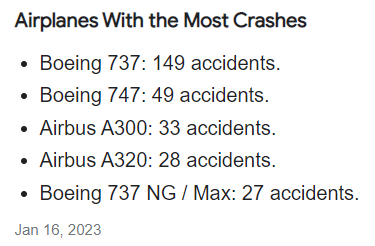
During my long trip to South America, which just ended (leaving me fighting with a record pile of unanswered emails, an even higher pile of laundry, and a headache for jetlag-induced sleep deprivation), I had the real pleasure to make acquaintance with a Colonel of the British army (Guy Wood) during a cruise of the Galapagos archipelago. One of the recurring topics of our evening chats was of course international travel - the cause of our encounter - and in one occasion he pointed out that Air France is the airline with the worst record in terms of plane accidents.
Imidazole dipeptides have been been linked to beneficial effects such as relieving fatigue and, with far less credibility, preventing dementia, and
a new study has found that 2-oxo-imidazole-containing dipeptides (2-oxo-IDPs), which have one more oxygen atom than normal imidazole dipeptides, are the most common variety of imidazole dipeptides derivatives in the body.
With ChatGPT a huge fad, students may be excited that their next paper will be easy, because if it is truly AI it will start from the unique seed you give it. Yet it does not work that way. Language models that generate text in response to user prompts use a lot of the same training materials, which means they can plagiarize content in multiple ways.
The COVID-19 pandemic exposed a great deal of weakness in the federal government's ability to control, much less prevent, any diseases at all. The concern had grown during the last decade, when it began to take 6 weeks for CDC to inform the public that lettuce was tainted with E. coli but found time to invent concerns like prediabetes and a vaping epidemic.