Fake Banner
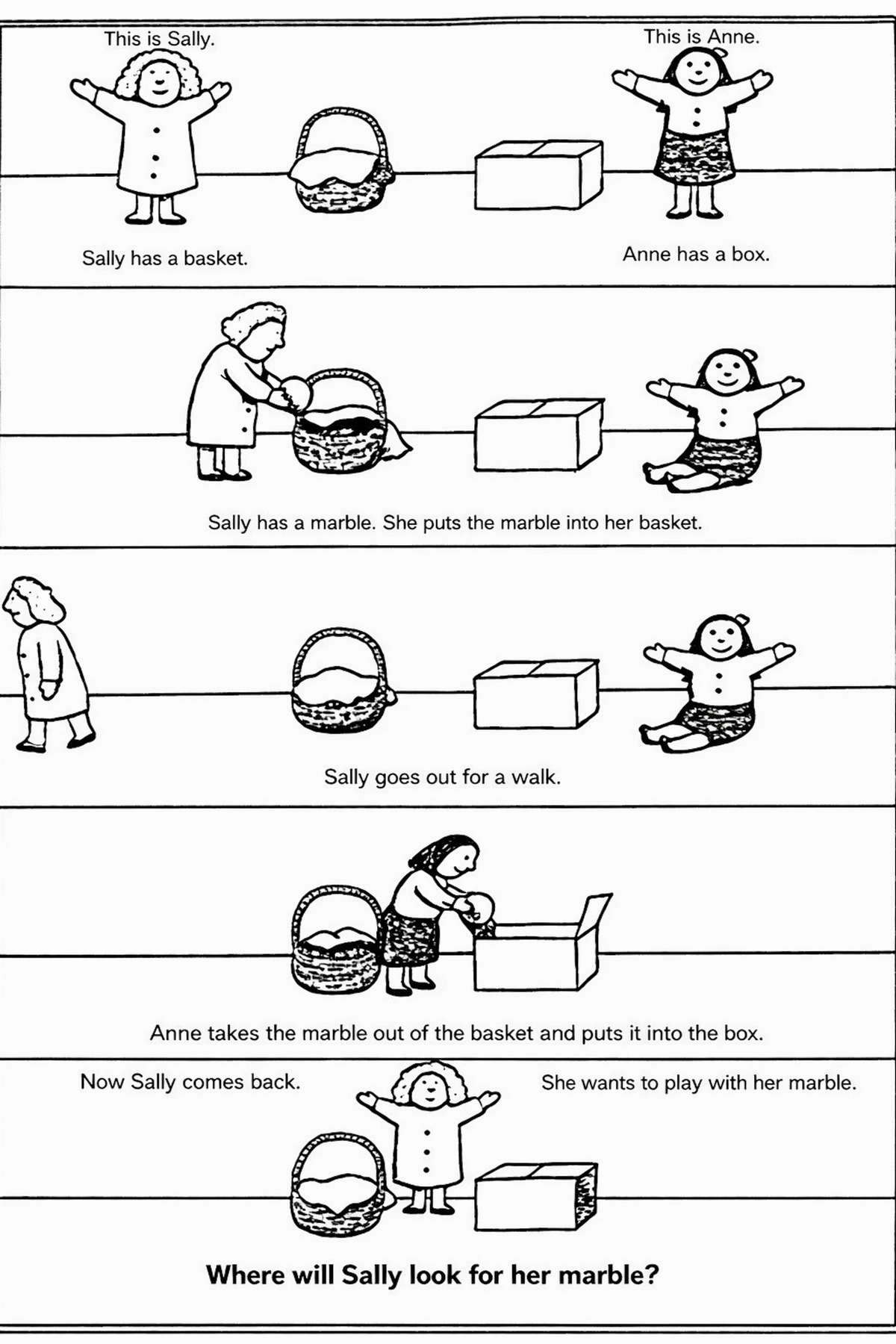
Theory Of Mind Is Wrong About Autistic People

For four decades, a controversial idea has shaped how autism is understood by researchers, healthcare...
Bacteroides Fragilis May Be A Fifth Columnist Helping Colon Cancer In Your Body

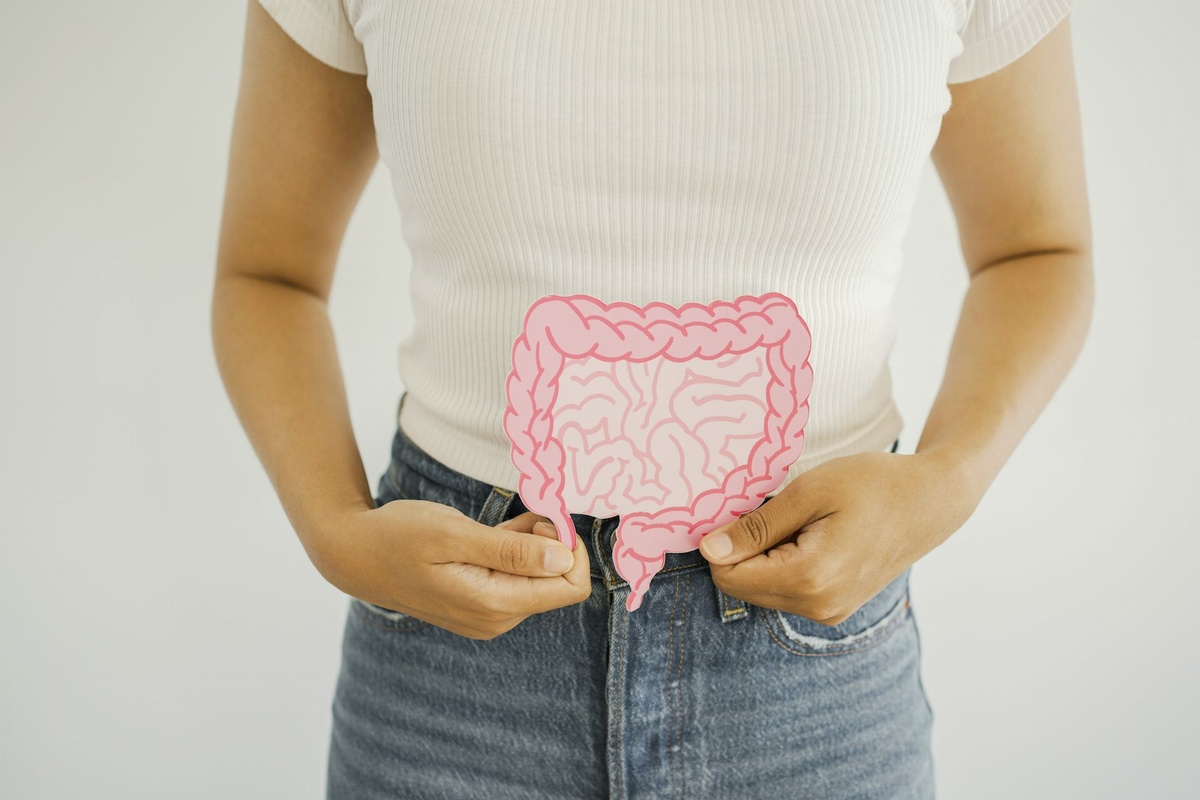
The gut bacterium Bacteroides fragilis has long presented researchers with a paradox. It has been...
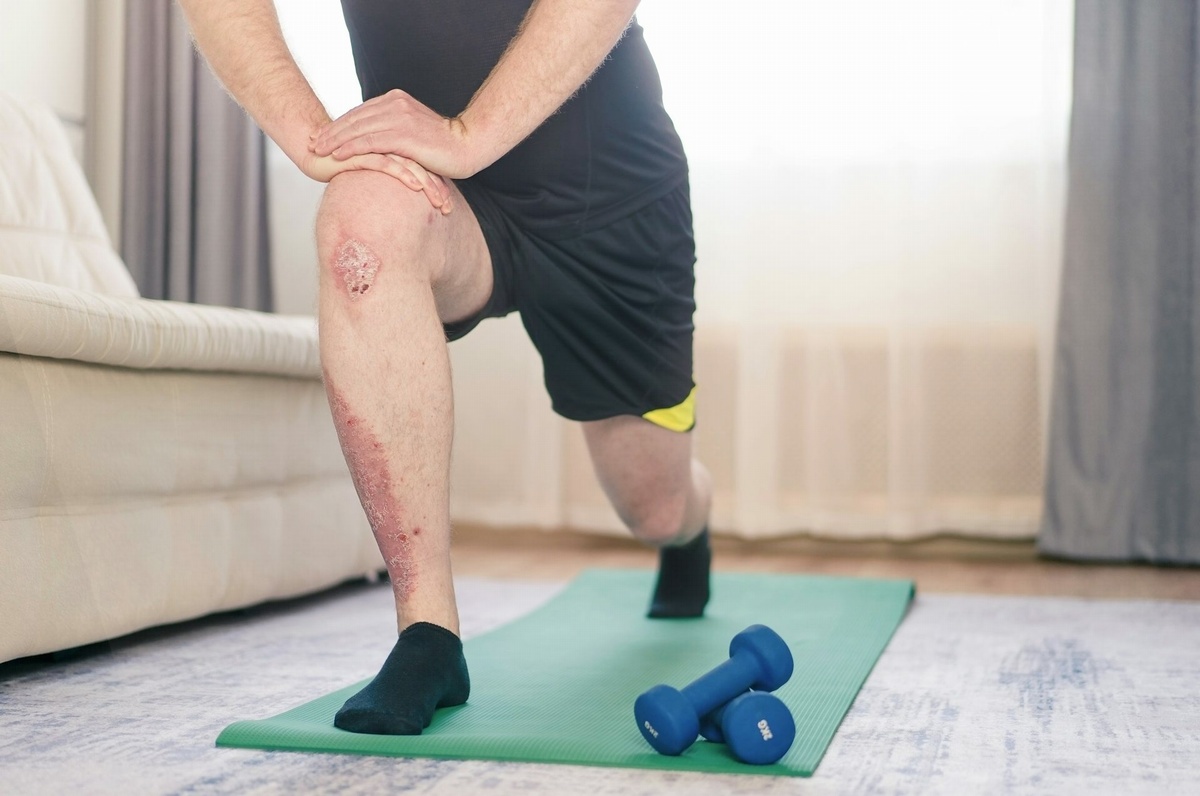
Losing Weight Improves The Heartbreak Of Psoriasis For Some

For many people living with psoriasis, the red, scaly skin patches are only part of the story....

Healthcare In Space - The First Medical Evacuation From The ISS

For the first time in 25 years of continuous crewed operations, an astronaut has been medically...

User picture.
The ConversationRSS Feed of this column.

The Conversation is an independent source of news and views, funded by the academic and research community and delivered direct to the public. The Conversation launched in Australia in March 2011.... Read More »

Blogroll

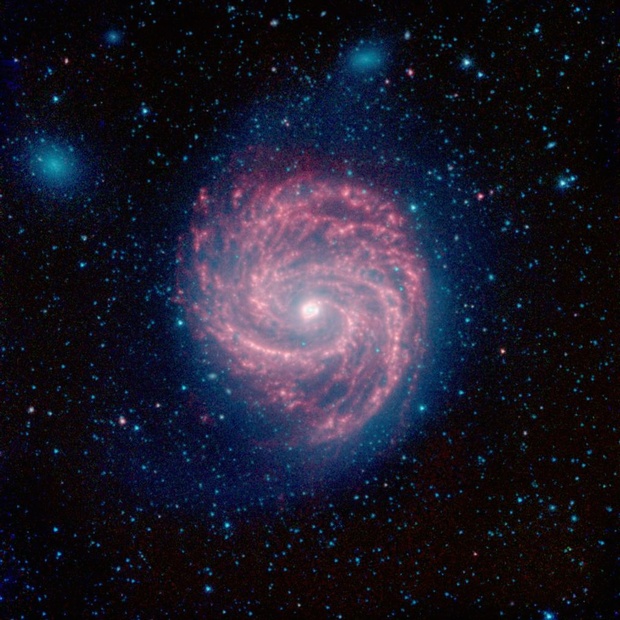
Scientists know very little about the matter that makes up the galaxies in the Universe. About 20% of the matter in galaxies is visible or baryonic: subatomic particles like protons, neutrons and electrons. The other 80%, referred to as “dark matter”, remains mysterious and unseen.

In fact, it may not exist at all. “Dark matter” is just a hypothesis. Physicists and astronomers may be chasing a phantom – but that doesn’t stop us from looking. Why? Because if dark matter isn’t real, then the behaviour of the stars, planets and galaxies makes little sense.

Many of us enjoy a drink at the end of a stressful day. But for some, this is less of a discretionary treat and more of a nightly must-have.

While alcohol reduction campaigns ask us to check our relationship with alcohol, emphasising the role it can play in causing violence and disease, our research has found many Australian women view alcohol in a different way. Many don’t see alcohol as only a bad thing and have complex reasons for their relationships with alcohol.

We conducted 50 interviews with midlife women (45–64 years of age) from different social classes living in South Australia. All women had a relationship with alcohol but the nature of the relationship was really different according to their social class.

A launch window – the period during which a rocket must be launched to reach its destination – opens on August 29 for the first flight to the Moon since 1972 by a spacecraft designed to carry humans there. If all goes well, the Artemis project will be on track to meet its goal of putting humans back on the Moon in 2025.

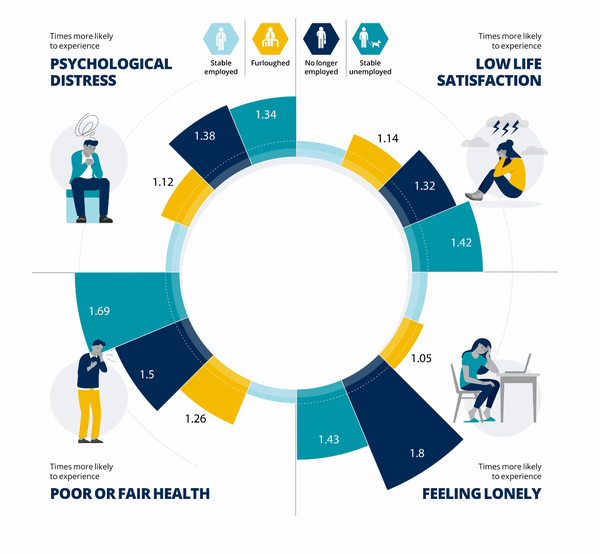
In March 2020, a few days before lockdown was introduced, the UK government launched the Coronavirus Job Retention Scheme, widely referred to as “furlough”. This scheme provided employees who were unable to work due to the pandemic with 80% of their pay (capped at £2,500 per month).

During the pandemic we have all become familiar with a lot of epidemiological concepts.

One that was introduced to us early in 2020 is the “basic reproductive number”, or R0. This tells us about the intrinsic contagiousness of a virus, or its inherent capacity to be spread from one person to another in a particular population.

We also learned about the “effective reproductive number”, or Reff. This tells us about the rate at which a virus is actually spreading through that population.

With the emergence of BA.4/5, there has been some confusion around how these concepts help us to understand why one variant spreads faster than another.

The omicron subvariant known as BA.5 was first detected in South Africa in February 2022 and spread rapidly throughout the world. As of the second week of July 2022, BA.5 constituted nearly 80% of COVID-19 variants in the United States.