Fake Banner
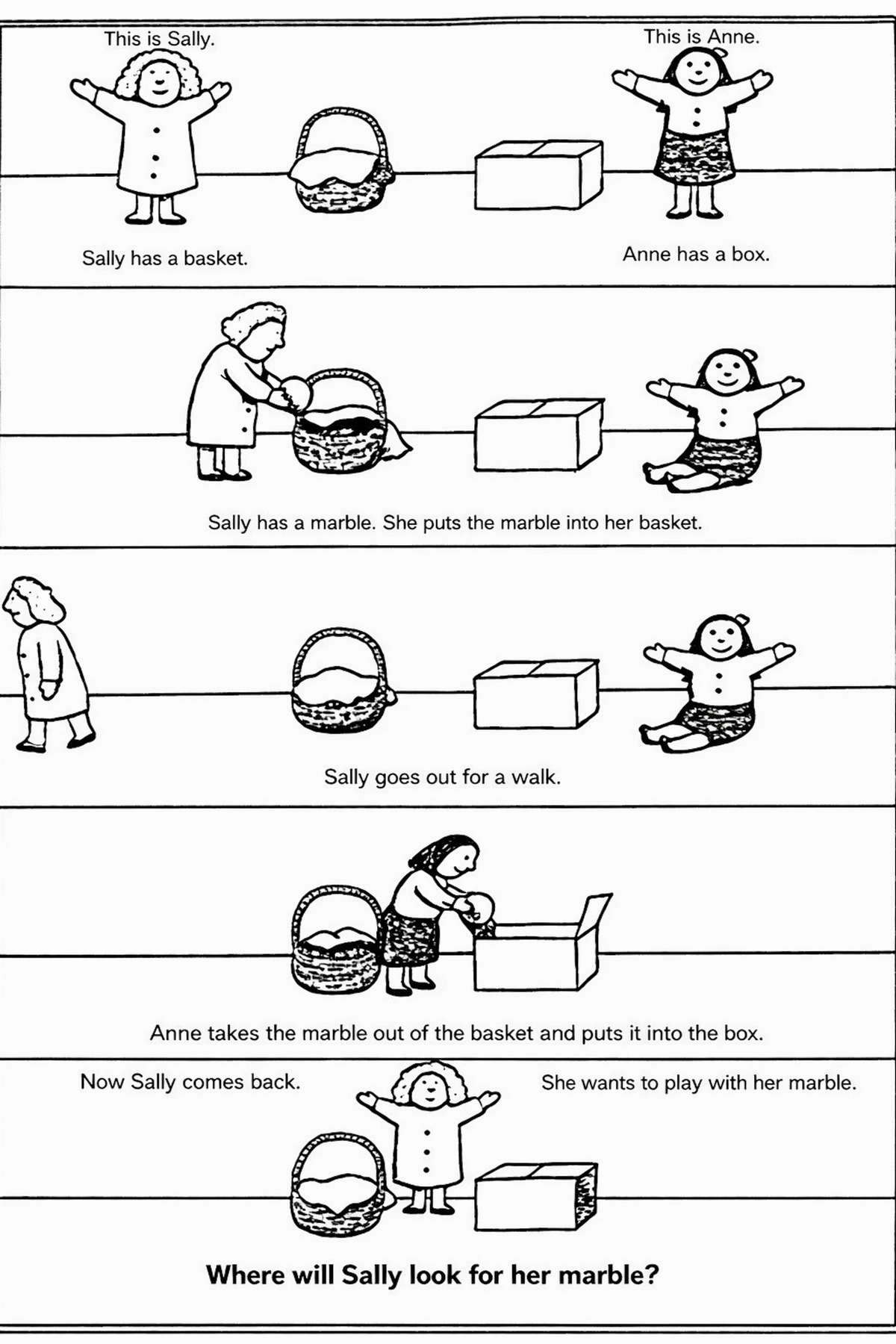
Theory Of Mind Is Wrong About Autistic People

For four decades, a controversial idea has shaped how autism is understood by researchers, healthcare...
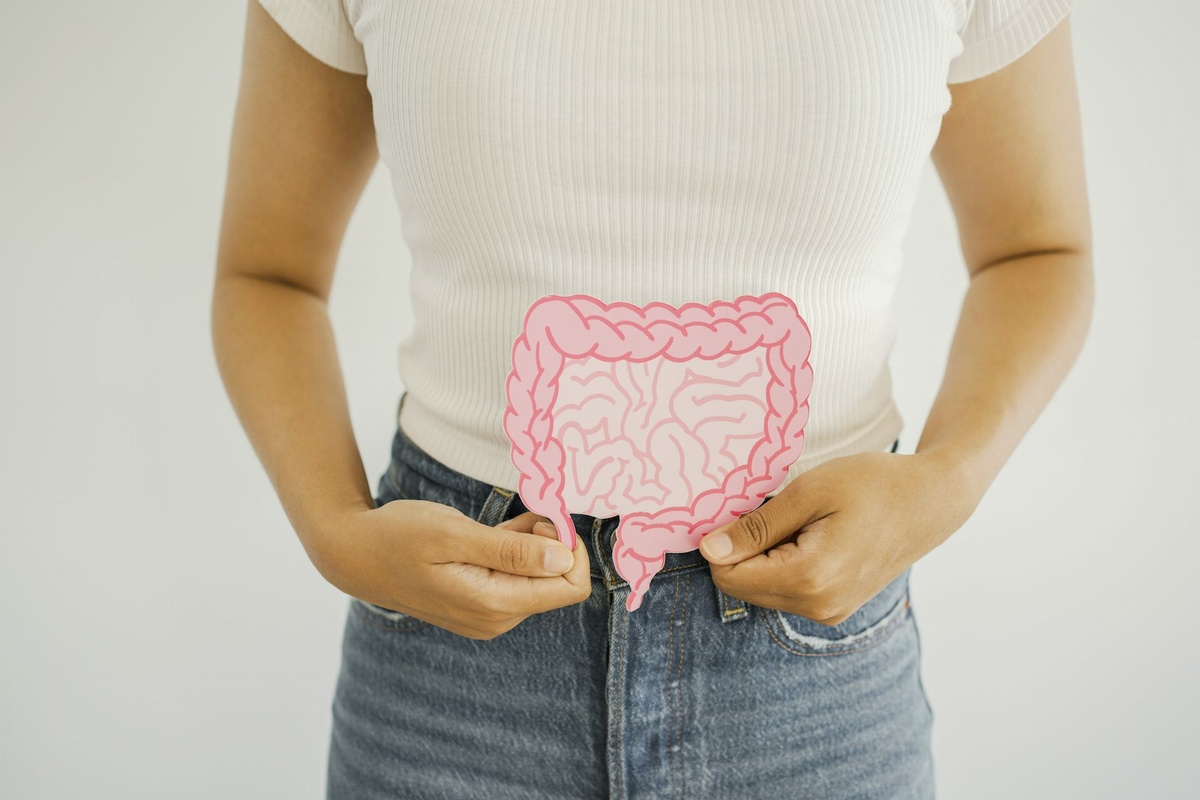
Bacteroides Fragilis May Be A Fifth Columnist Helping Colon Cancer In Your Body

The gut bacterium Bacteroides fragilis has long presented researchers with a paradox. It has been...
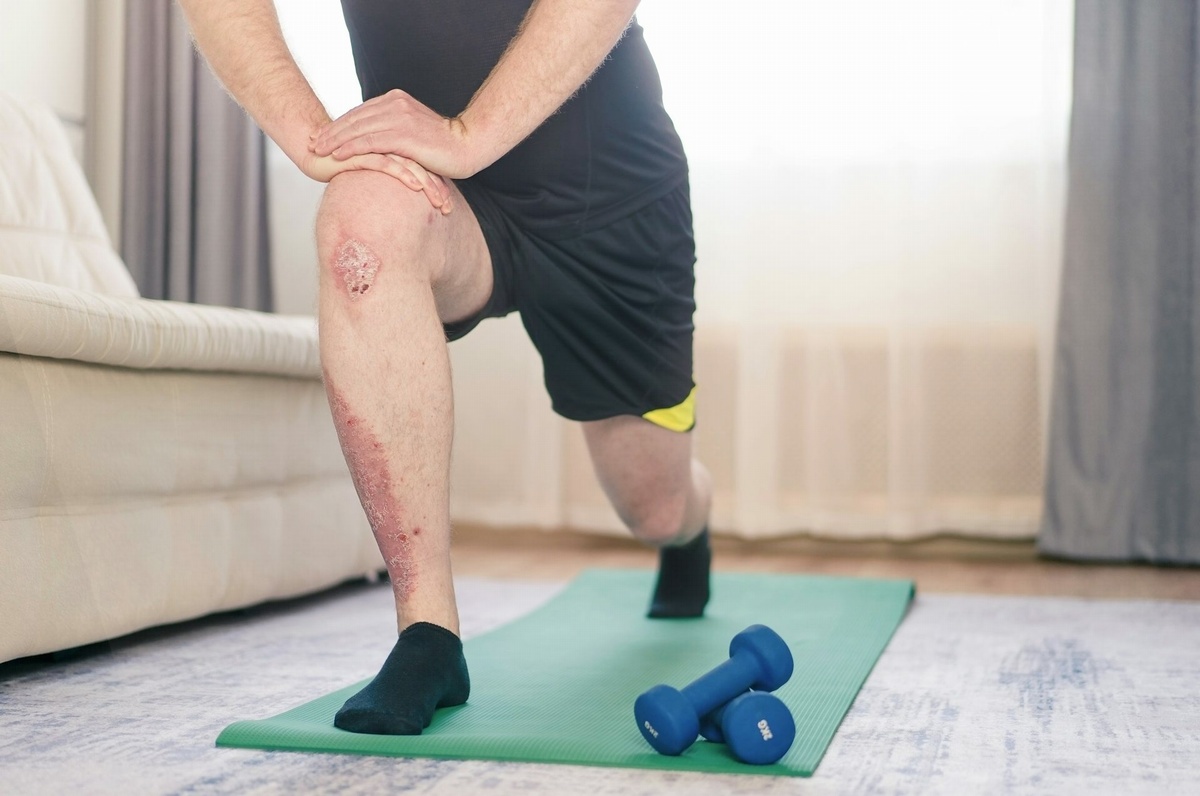
Losing Weight Improves The Heartbreak Of Psoriasis For Some

For many people living with psoriasis, the red, scaly skin patches are only part of the story....
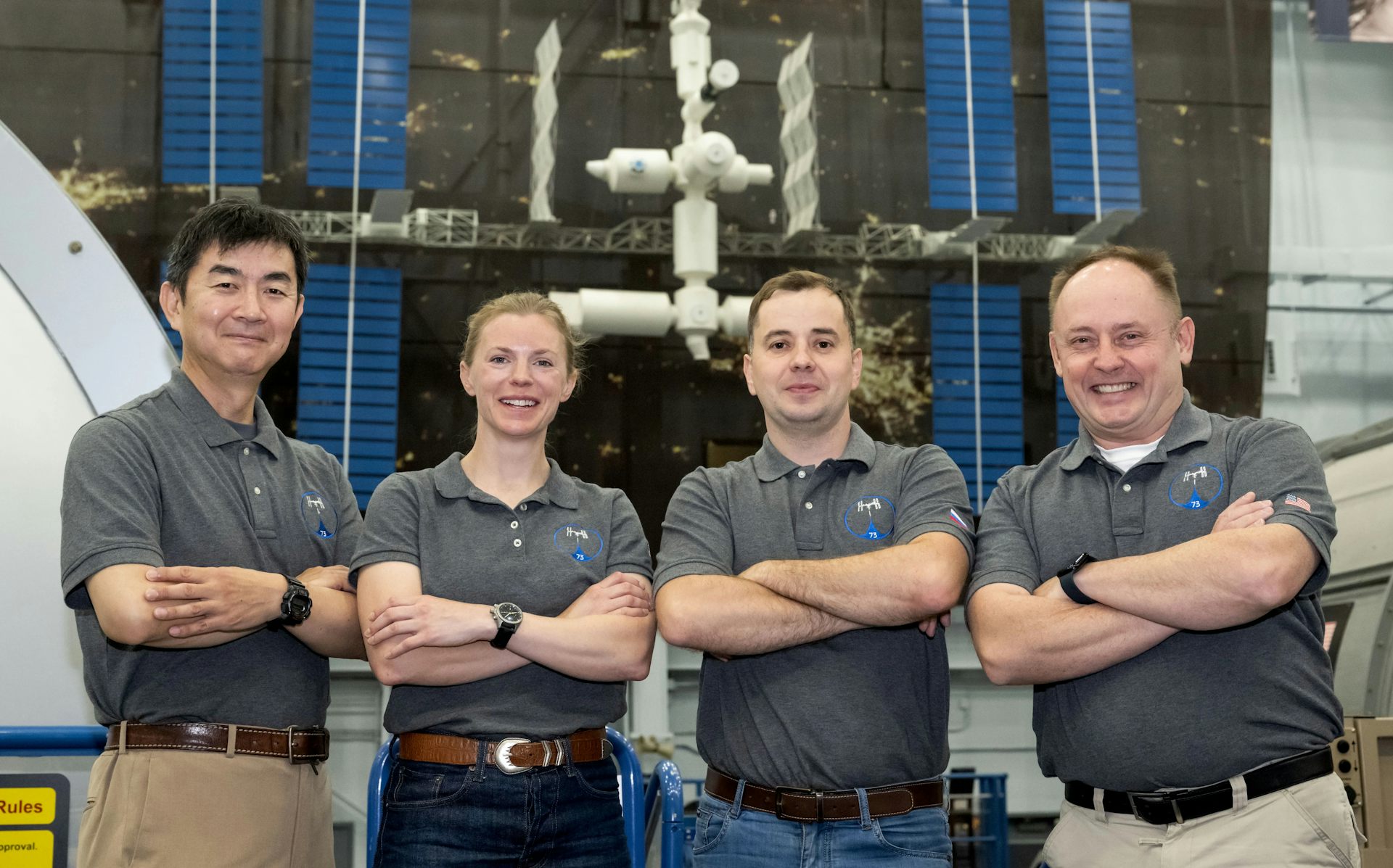
Healthcare In Space - The First Medical Evacuation From The ISS

For the first time in 25 years of continuous crewed operations, an astronaut has been medically...

User picture.
The ConversationRSS Feed of this column.

The Conversation is an independent source of news and views, funded by the academic and research community and delivered direct to the public. The Conversation launched in Australia in March 2011.... Read More »

Blogroll

During the almost two years of on-again off-again COVID lockdowns, we heard lots of concern from many different corners about the mental health effects of forcing people to stay home and keep away from friends and family.

Many research projects were undertaken to attempt to measure the scale of the impacts on mental health.

However, the speed with which research was generated meant in some cases, research quality was sacrificed, and some research found evidence of an effect on mental health, and some didn’t.

To make sense of the very mixed findings, my colleagues and I conducted a review of all of the studies on mental health conducted during the first year of the pandemic.

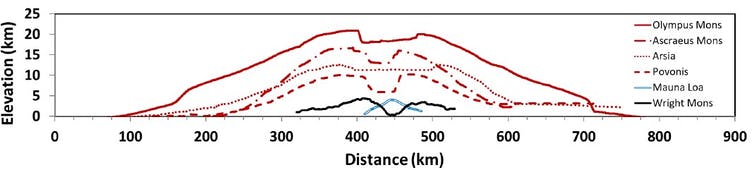
Pluto, the Solar System’s largest dwarf planet, just became even more interesting with a report that icy lava flows have recently covered substantial tracts of its surface. In this context, “recently” means probably no more than a billion years ago. That’s old, of course – and there is no suggestion that volcanoes are still active – but it’s only a quarter the age of the Solar System and no one knows how Pluto brewed up the heat needed to power these eruptions.

The news, coming nearly seven years after NASA’s New Horizons probe made its spectacular flyby of Pluto on July 14, 2015, is thanks to analysis of images and other data by a team led by Kelsi Singer of the Southwest Research Institute in Boulder, Colorado.

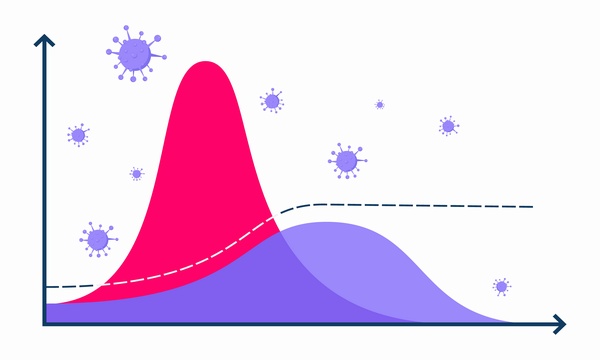
Thankfully, most people who get COVID–19 don’t become seriously ill – especially those who are vaccinated. But a small fraction do get hospitalized, and a smaller fraction do die. If you are vaccinated and catch the coronavirus, what are your chances of getting hospitalized or dying?

As an epidemiologist, I have been asked to respond to this question in one form or another throughout the pandemic. This is a very reasonable question to ask, but a challenging one to answer.

For more than a century, journalism education prepared young people for the role of full-time professionals employed by sizeable news organisations. But the advertising-based business model that sustained journalism is collapsing because of new technology, and jobs of the old kind are becoming scarce. The educational model, too, must change to accommodate the new realities.

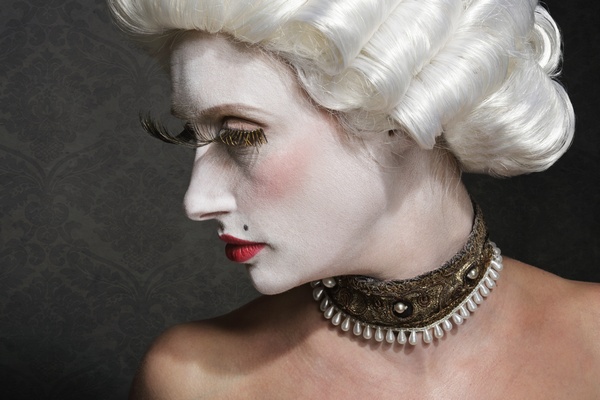
Eighteenth-century socialites have been depicted as vain, silly women who were poisoned by their white lead makeup. The Countess of Coventry, Maria Gunning — a society hostess renowned for her beauty — is said to have refused to stop wearing foundation containing white lead, even as she lay dying. Why would women of that era knowingly choose to wear makeup that was killing them? Was beauty worth dying for? Or was the makeup not to blame?

Was Charles Darwin a one-hit wonder? According to scientists who take a gene’s-eye view of evolution, the 19th-century English naturalist contributed one crucial idea to understanding how species change: natural selection, or “design without a designer”.

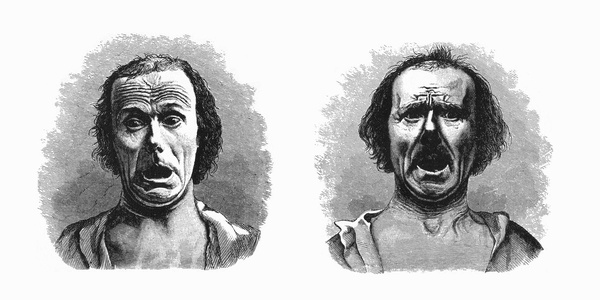
However, a book of Darwin’s that is little read by modern evolutionists – The Expression of the Emotions in Man and Animals – turns out to contain valuable lessons for scientists seeking to understand how and why humans do what we do.