Fake Banner
Feeling no pain: plants were first to let it happen

Age of Herbals somewhere  during  1565 in this part of globe saw many medical man searching...

Sitopaladi churna is an ayurvedic medicine for cough and cold

Sitopaladi churna is an ayurvedic medicine for cough and cold and sneezing nose. A little portion...

Ethnobotany and Ocimum sanctum (Tulsi)

The term 'ethnobotany' was first applied by Harshberger in 1895 to the study of plants used by...

Gene, gene expression, gene silencing and RNAi

Gene Expression?–What is a Gene?A gene codes for a homogeneous ‘functional unit’ – classically...

User picture.
picture for Patrick Lockerbypicture for Akshit Kumarpicture for Damon  Isherwood
Ashwani KumarRSS Feed of this column.

Professor Emeritus ,Former Head of the Department of Botany, and Director Life Sciences, University of Rajasthan, Jaipur. 302004, India At present freelance consultant with Bioenergia. Spain and... Read More »

Blogroll

If you look at the Pines sitting in your balcony you will wonder why they growth taller and taller and their apex moves towards the sky in straight line. You can see apical dominance. What provides apical dominance. Plants produce growth regulators on or near apical regions of roots as well as shoots and transfer it to the basipetal or acropetal pattern down from stem apex and up from root apex by certain mechanism which is highly croordinated using a set of genes which I have not been able to comprehend how do they work using different signal transduction systems.
Palace of winds or Hawamahal of Jaipur is one the landmark or monuments.
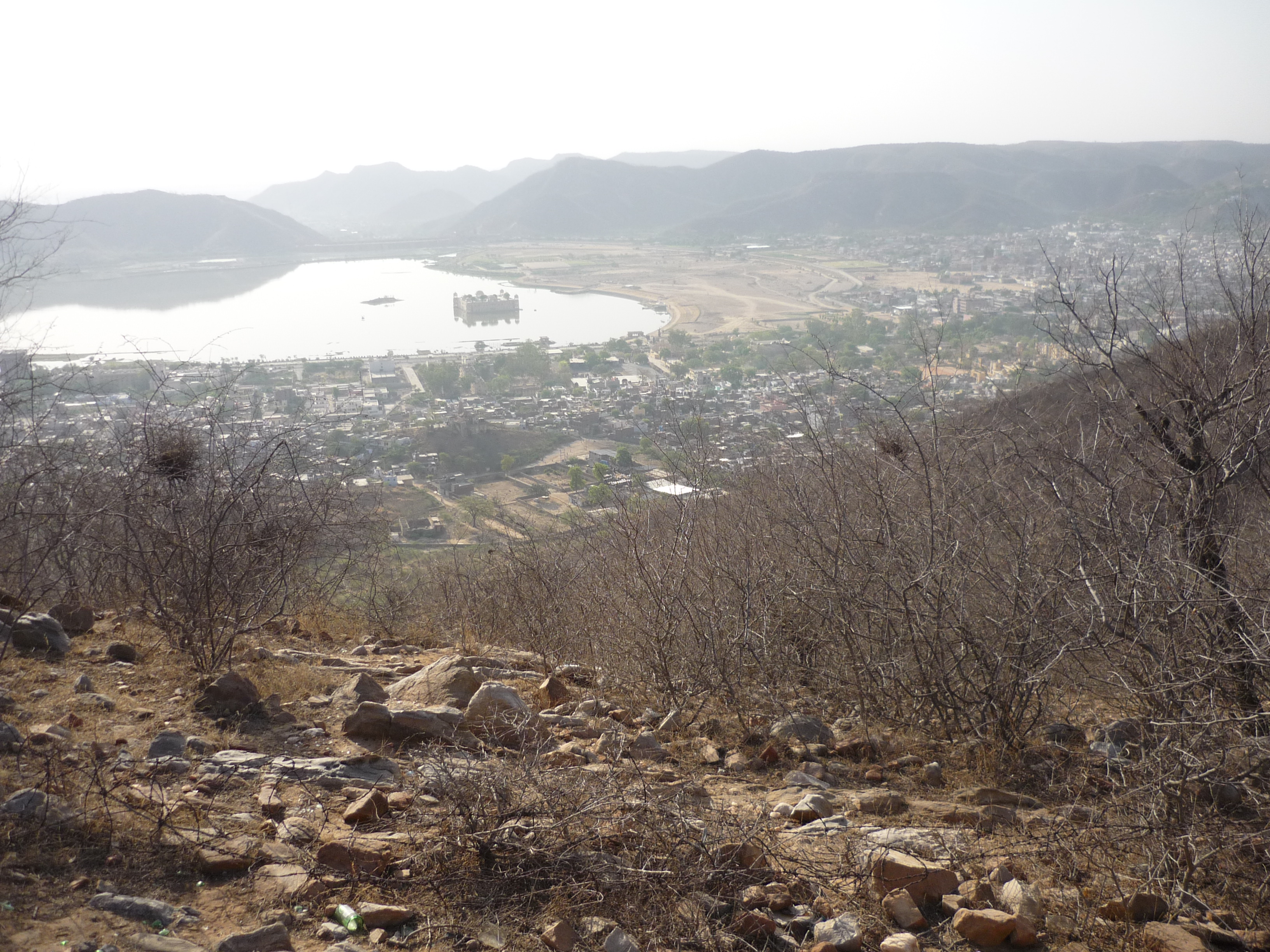
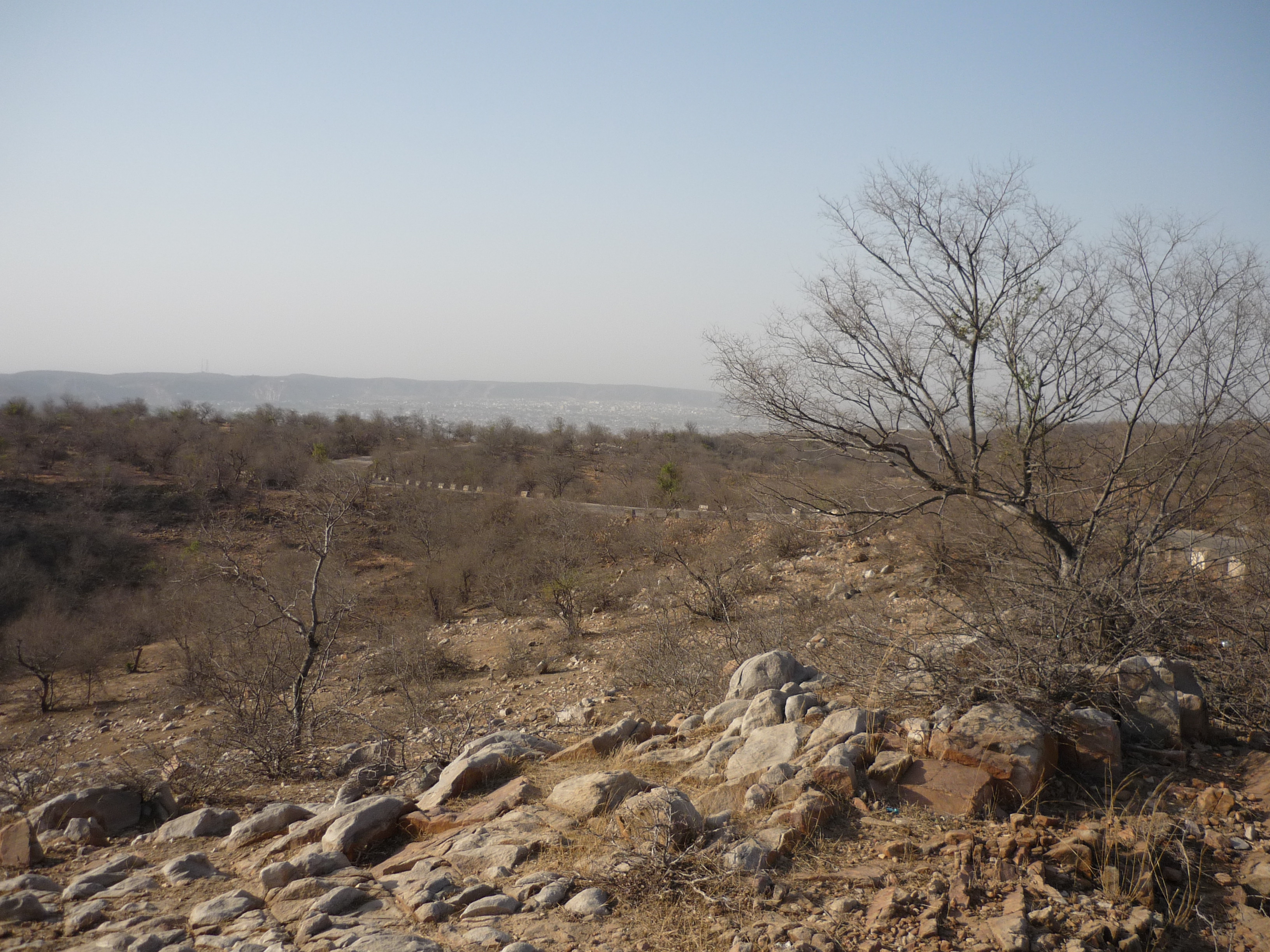
If you climb up the monument you can see the Nahargarh fort or Tiger fort once den or tiger is now a barren hills . Hope some day world heritage site or UNESCO will care for hills also.


Janter Manter of Jaipur is now world heritage site but what about hills of Jaipur.


Most of plants are cut and taken away as headloads by women for fuel.


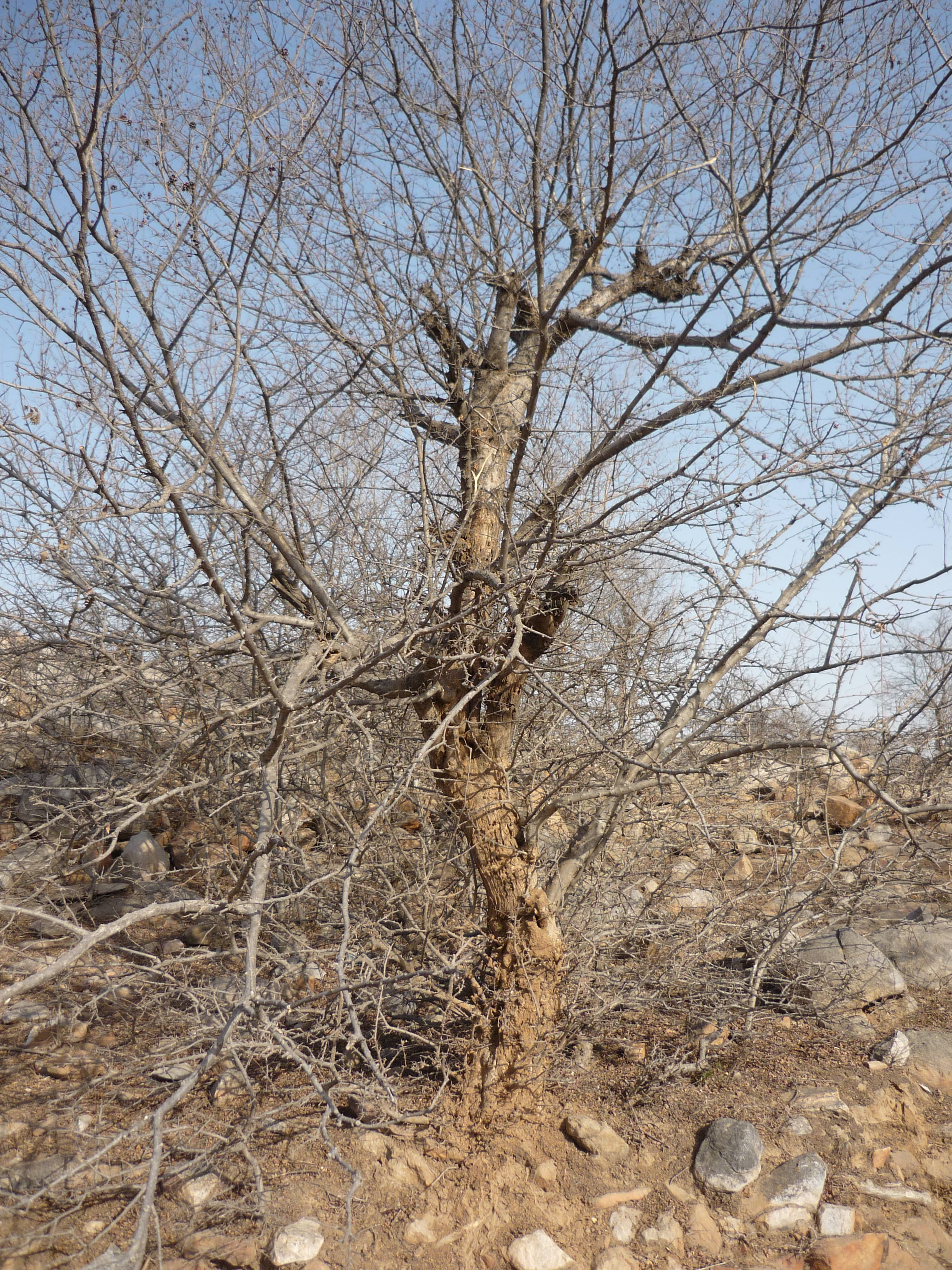
Termite attack is destroying large number of Anogeissus plants. Once the ground flora is dried up the big trees are affected.
Head loads of wood being taken away.
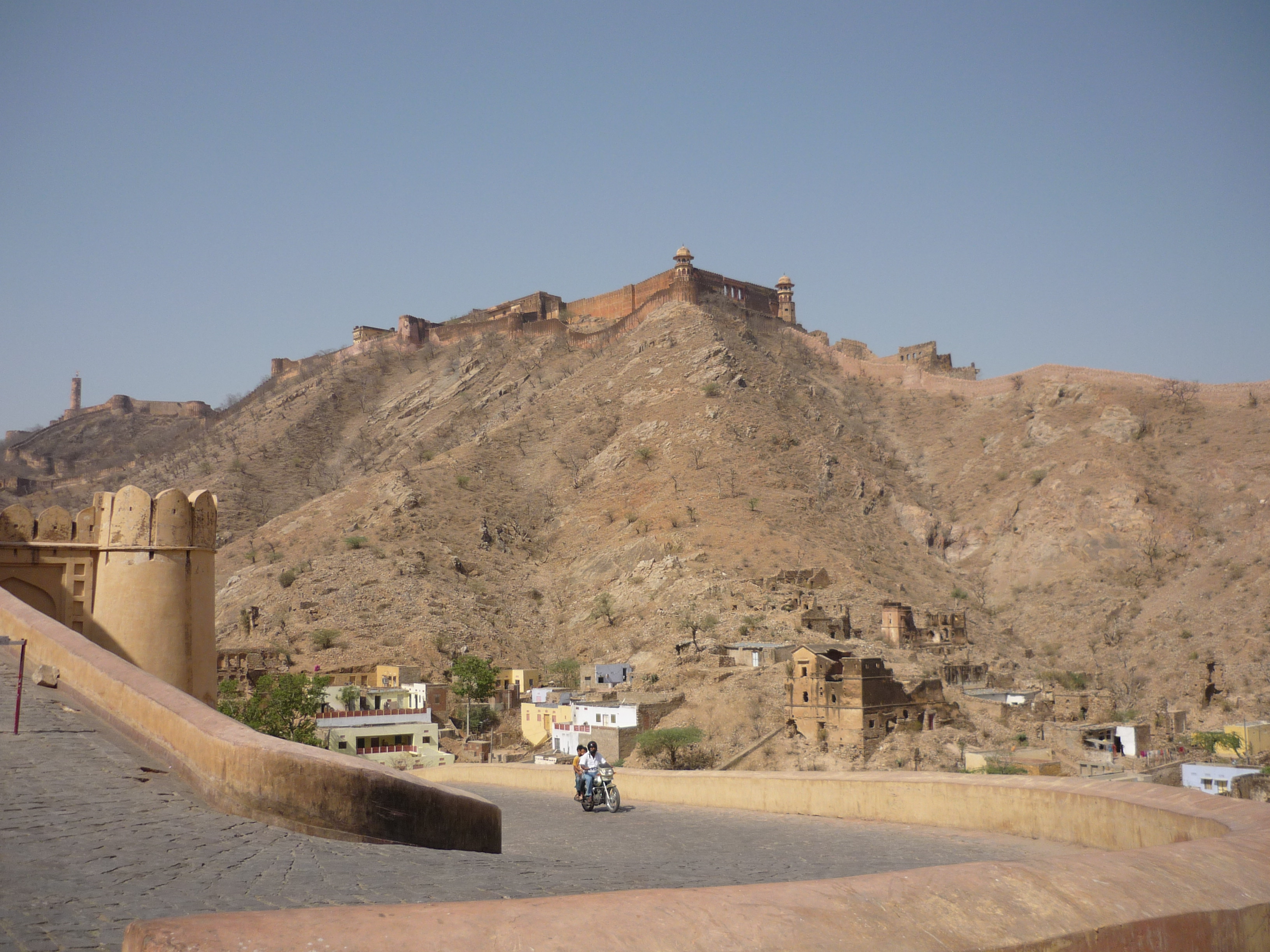
A view of Jaigarh fort from the Amber fort of Jaipur tells the untold story written on the hills, barren hills with no vegetation. As a botanist one may cry but how many of are us botanists now
Most botanists have become molecular biologist and biotechnologist and plants are crying.

Late Professor B. Tiagi was a great botanist who taught almost all the people or now teachers  ( or now retired teachers ) who worked all over Rajasthan in the period hailing from 1960s to 1990s or even later on. He was very regular to the Department and always working with simple tools. He was my source of inspiration that time.
He had a plant in his backyard which was famous for cure of asthama. Tylophora indica .
It grew like a climber. People visited his house and he fondly gave some leaves of this plant  The leaves are dried and grounded and taken a bit in some very very small amounts alone or sometimes with root powder.
People reported that it cured asthama

Tylophora Indica


Asclepiadaceae)

  Root or leaf powder is used in diarrhoea, dysentery and intermittent fever. Dried leaves are emetic diaphoretic and expectorant. It is regarded as one of the best indigenous substitute for ipecacuanha. The roots are suggested to be a good natural preservative of food.

It is traditionally used as a folk remedy in certain regions of India for the treatment of bronchial asthma , inflammation , bronchitis, allergies, rheumatism and dermatitis.