Banner
Why Antarctic Sea Ice Stopped Growing In 2015

Though numerical models and popular films like An Inconvenient Truth projected Arctic ice...

Wealth Correlated To Loneliness

You may have read that Asian cultures respect the elderly more than Europe but Asian senior citizens...
Ousiometrics Analysis Says All Human Language Is Biased

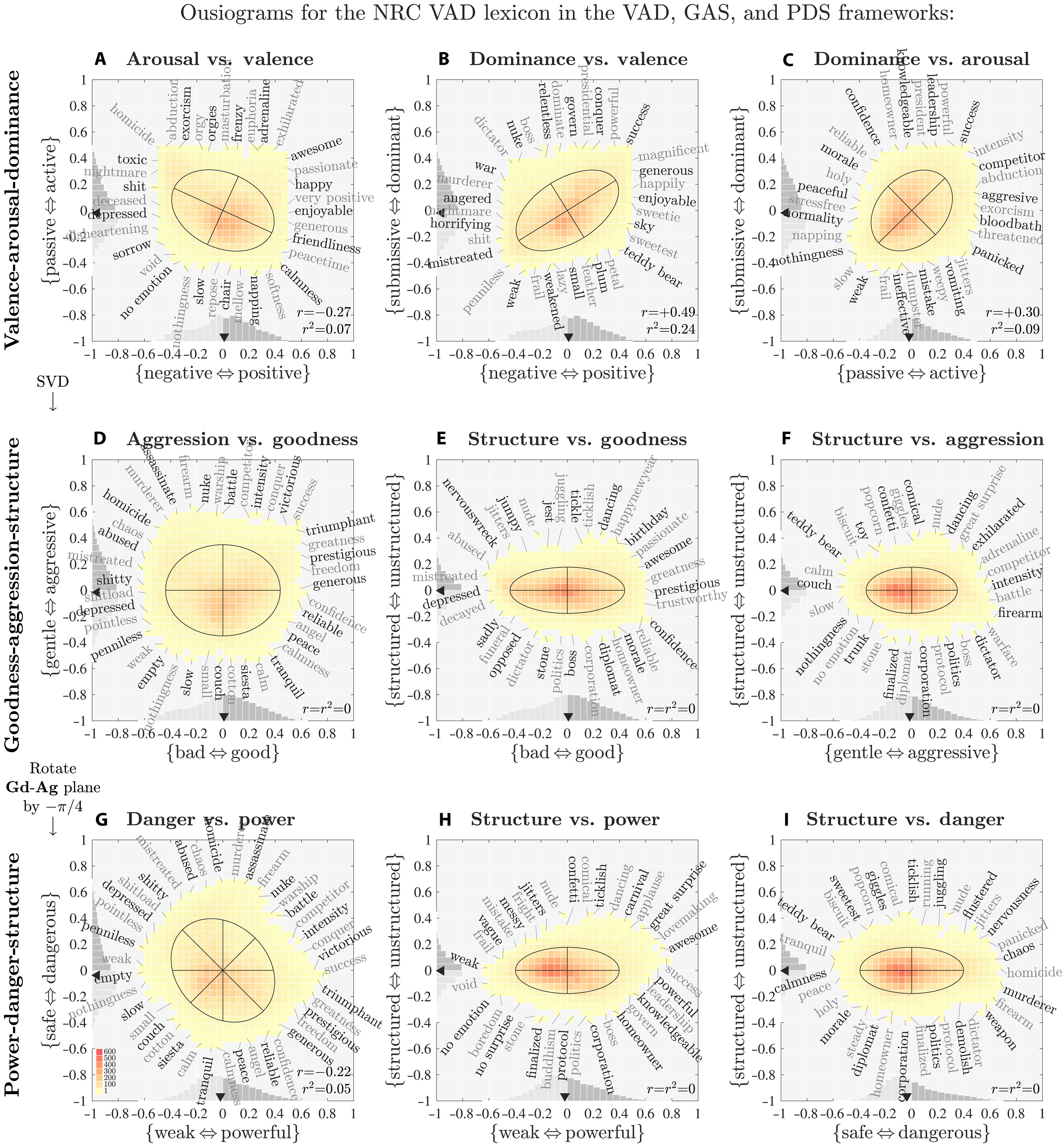
A new tool drawing on billions of uses of more than 20,000 words and diverse real-world texts claims...
Wavelengths Of Light Are Why CO2 Cools The Upper Atmosphere But Warms Earth

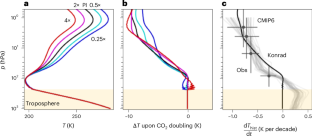
There are concerns about projected warming on the Earth’s surface and in the lower atmosphere...

User picture.
News StaffRSS Feed of this column.

News Releases From All Over The World, Right To You... Read More »

Blogroll

Epidemiologists believe they have identified a unique pattern of immune molecules in the cerebrospinal fluid of people with myalgic encephalomyelitis/chronic fatigue syndrome (ME/CFS) that provides insights into the basis for cognitive dysfunction--frequently described by patients as "brain fog"--as well as new hope for improvements in diagnosis and treatment.

Even during a good year, soybean farmers nationwide are, in essence, taking a loss. That's because changes in weather patterns have been eating into their profits and taking quite a bite: $11 billion over the past 20 years.

This massive loss has been hidden, in effect, by the impressive annual growth seen in soybean yields thanks to other factors. But that growth could have been 30 percent higher if weather variations resulting from climate change had not occurred, according to a study by University of Wisconsin-Madison agronomists published last month in Nature Plants.

Researchers have discovered that the inherent 'handedness' of molecular structures directs the behavior of individual cells and confers them the ability to sense the difference between left and right.

Our bodies are made up of hundreds of different types of cells, each of which performs a unique and highly specialized task. Traditionally, the ability of cells to specialize in a given function was attributed to its genetic code. However, it is becoming increasingly clear that cells do not simply live by a set of inherited or pre-determined instructions. Instead, 'cellular decisions' are made dynamically, much like humans make decisions based on the information provided to us by our senses.

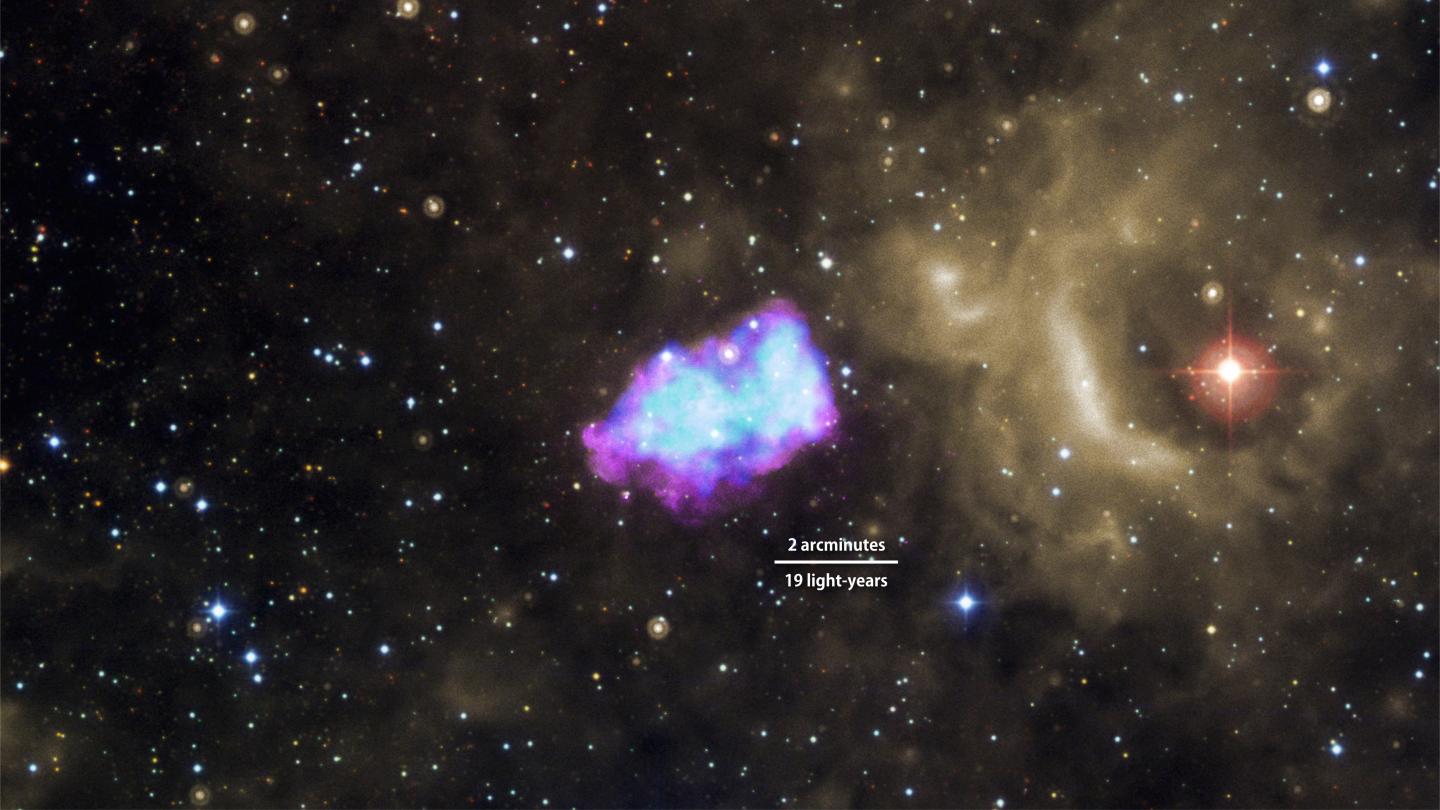
Astronomers have determined the pre-explosion mass of a white dwarf star that blew up thousands of years ago and the measurement strongly suggests the explosion involved only a single white dwarf, ruling out a well-established alternative scenario involving a pair of merging white dwarfs.
In 2005, scientists studying tiny sac-like creatures called sea squirts found bacteria containing two types of chlorophyll (a and b) in cavities inside the squirts' tissues.

Those two pigments were soaking up most of the sunlight - the violets, indigos, blues, green, yellows and oranges - and all that filtered through the squirts was deep red light. On the underside of the squirts  was a film of photosynthesizing microbes and they turned out to be full of chlorophyll d, a rare variant of the chlorophyll molecule that absorbs near-infrared light.
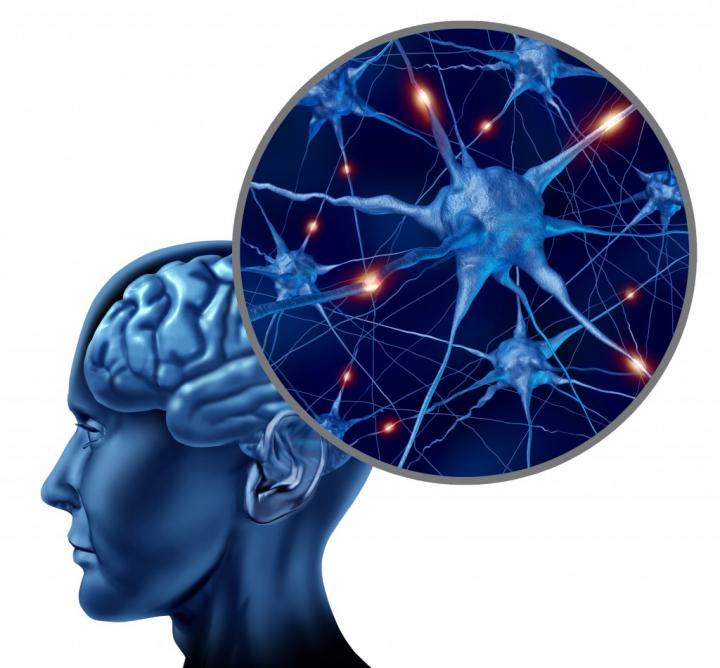
A new paper suggests that when brains are organized into modules they are better at learning - without having to replace old knowledge.

The authors believe the findings will accelerate attempts to create artificial intelligence (AI) though they would also have value in understanding  the evolution of intelligence in natural animals. Kai Olav Ellefsen of Norwegian University of Science and Technology, Jean-Baptiste Mouret of Pierre&Marie Curie University and Jeff Clune of the University of Wyoming used simulations of evolving computational brain models - artificial neural networks - to show that more modular brains learn the most and forget the least.