Banner
Why Antarctic Sea Ice Stopped Growing In 2015

Though numerical models and popular films like An Inconvenient Truth projected Arctic ice...

Wealth Correlated To Loneliness

You may have read that Asian cultures respect the elderly more than Europe but Asian senior citizens...
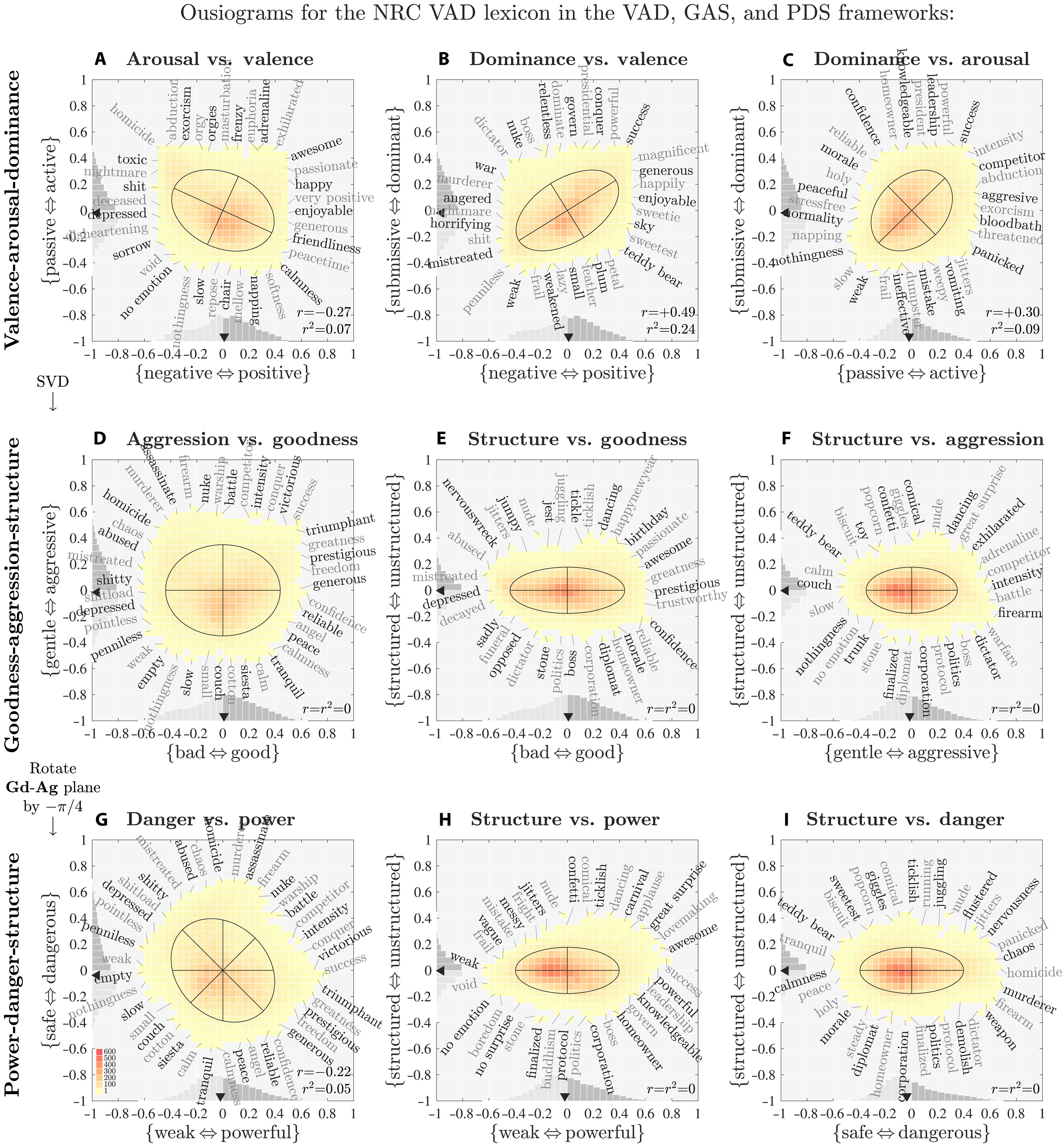
Ousiometrics Analysis Says All Human Language Is Biased

A new tool drawing on billions of uses of more than 20,000 words and diverse real-world texts claims...
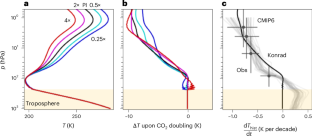
Wavelengths Of Light Are Why CO2 Cools The Upper Atmosphere But Warms Earth

There are concerns about projected warming on the Earth’s surface and in the lower atmosphere...

User picture.
News StaffRSS Feed of this column.

News Releases From All Over The World, Right To You... Read More »

Blogroll

In the production of organic vegetables, nitrogen is important, yet can be quite costly to manage. Nitrogen management is even more challenging when production practices call for the use of polyethylene mulch combined with fertigation. The authors of a new study published in HortScience have found that hydrolyzed fish fertilizer holds promise as an "economically feasible" nitrogen source for growing organic vegetables.

What do butterflies, spiders and lobsters share in common?

Yawunik kootenayi, a marine creature with two pairs of eyes and prominent grasping appendages that lived 250 million years before the first dinosaur.

The fossil recently identified is the first new species to be described from the Marble Canyon site, part of the Canadian Burgess Shale fossil deposit.

Yawunik had evolved long frontal appendages that resemble the antennae of modern beetles or shrimps, though these appendages were composed of three long claws, two of which bore opposing rows of teeth that helped the animal catch its prey.

Before a male damselfly hot-headedly enters into a duel of aerial sparring, it first works out its strategy. It gives its opponent's wings a once-over to assess its strength, knowing that more transparent wings and larger red spots generally show a stronger rival. Those who then decide to engage in long fights either try to wear their opponent down, or dazzle them with brilliant aerial moves that are too hard to follow. These damselfly war game strategies are set out in a study published in Springer's journal The Science of Nature - Naturwissenschaften. Two research groups united forces to arrive at these findings, one based in Brazil, led by Rhainer Guillermo-Ferreira, and the other in Germany, led by Stanislav Gorb.

The American Gastroenterological Association (AGA) has released new guidelines on the management of asymptomatic neoplastic pancreatic cysts found incidentally during computed tomography (CT) or magnetic resonance imaging (MRI).

The author of a commentary being published in Annals of Internal Medicine explains how the AGA's bold new recommendations will affect the way physicians consider diagnostic testing. The new guidelines back away from previous recommendations that were more aggressive.

Rather than promote invasive work-up, surveillance, or surgery for typical patients, the AGA guidelines restrict aggressive follow up to patients with more high-risk features.

An analysis conducted by researchers at the Johns Hopkins Center for a Livable Future (CLF) found that the risks of drinking raw (unpasteurized) cow's milk are significant. Consumers are nearly 100 times more likely to get foodborne illness from drinking raw milk than they are from drinking pasteurized milk. In fact, the researchers determined that raw milk was associated with over half of all milk-related foodborne illness, even though only an estimated 3.5% of the U.S. population consumes raw milk.

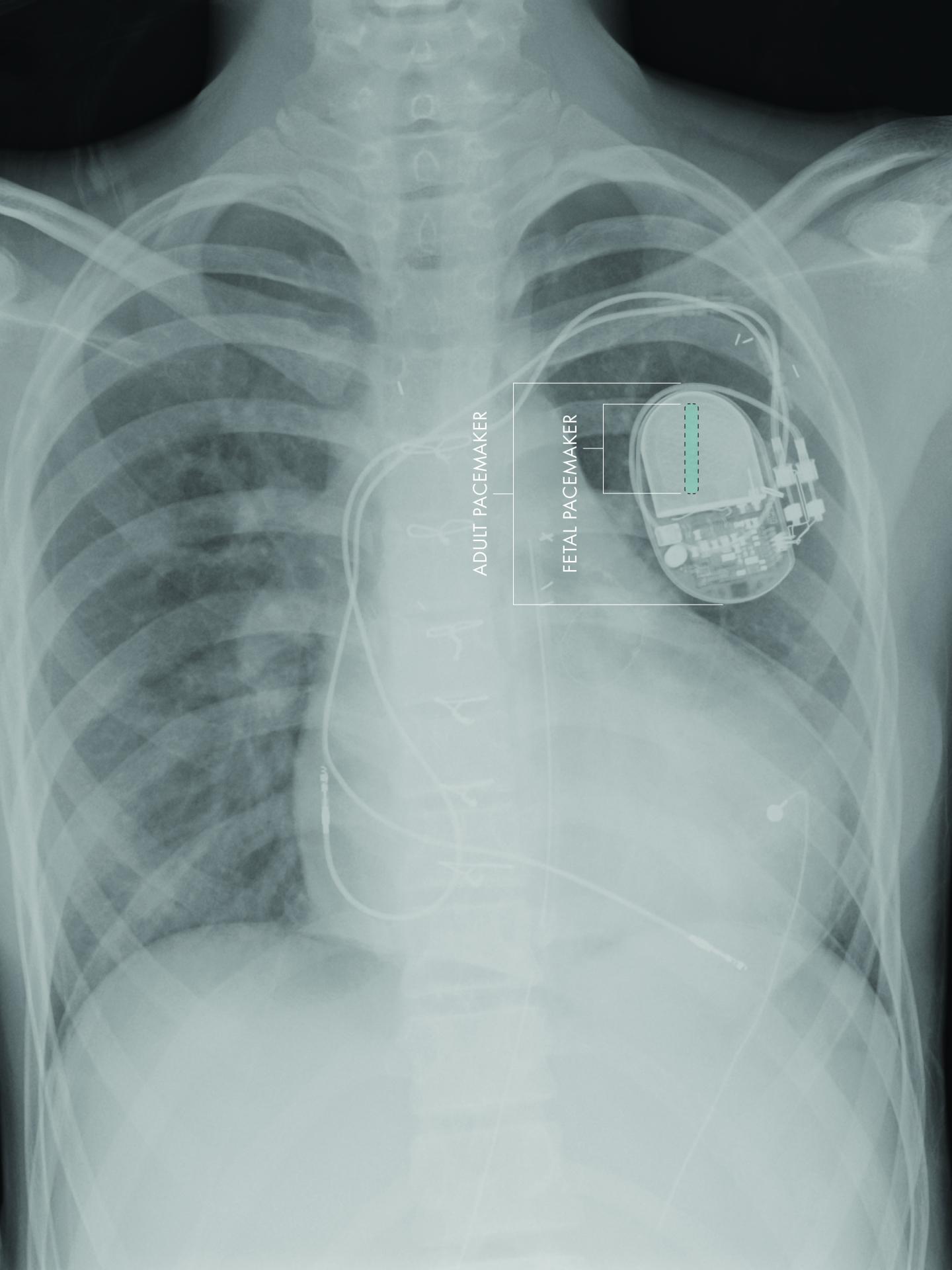
With each beat of a healthy heart, an electrical signal moves from the upper to the lower chambers of the heart. As this signal moves, it results in the heart contracting and pumping blood. Congenital heart block is a defect of the heart's electrical system that originates in the developing fetus, greatly slowing the rate of the heart and impacting its ability to pump blood.

Although the condition can be diagnosed in utero, all attempts to treat the condition with a standard pacemaker have failed.  Each year, approximately 500 pregnancies in the U. S. are affected by such fetal heart block - those babies may soon have the perfect solution.