Banner
Pilot Study: Fibromyalgia Fatigue Improved By TENS Therapy

Fibromyalgia is the term for a poorly-understood condition where people experience pain and fatigue...

High Meat Consumption Linked To Lower Dementia Risk

Older people who eat large amounts of meat have a lower risk of dementia and cognitive decline...

Long Before The Inca Colonized Peru, Natives Had A Thriving Trade Network

A new DNA analysis reveals that long before the Incan Empire took over Peru, animals were...

Mesolithic People Had Meals With More Tradition Than You Thought

The common imagery of prehistoric people is either rooting through dirt for grubs and picking berries...

User picture.
News StaffRSS Feed of this column.

News Releases From All Over The World, Right To You... Read More »

Blogroll

Shakespeare characterized Richard III as a hunchback because his personal and physical deformities were well known. Certainly some history is written by the winners, and he was a big loser in the War of the Roses, but now everyone can explore the true shape of one of history's most famous spinal columns.

Multimedia experts have created a 3-D model of Richard III's spine and the visualization reveals how the king's spine had a curve to the right, but also a degree of twisting, resulting in a "spiral" shape. During analysis, the skeleton was analyzed macroscopically for evidence of spinal deformity and any changes to the tissue caused by the condition.

A Curtin University researcher has shown that ancient volcanic eruptions in Australia 510 million years ago significantly affected the climate, causing the first known mass extinction in the history of complex life.

Published in prestigious journal Geology, Curtin's Associate Professor Fred Jourdan, along with colleagues from several Australian and international institutions, used radioactive dating techniques to precisely measure the age of the eruptions of the Kalkarindji volcanic province.

Dr Jourdan and his team were able to prove the volcanic province occurred at the same time as the Early–Middle Cambrian extinction from 510-511 million years ago – the first extinction to wipe out complex multicellular life.

OAKLAND, Calif. — A key measure of reduced kidney function and chronic kidney disease — reduced glomerular filtration rate — is an independent risk factor for renal and urothelial cancer, according to a study published online today in the Journal of the American Society of Nephrology.

Chronic kidney disease and cancer are both major and growing public health problems. The incidence of chronic kidney disease continues to rise, with an estimated 11.5 percent of the U.S. population having reduced glomerular filtration rate and/or proteinuria, a condition in which a person has an abnormal amount of protein in the blood and a sign often associated with kidney disease. Approximately 13.5 million Americans with advanced stages of chronic kidney disease.

A study of 338 patients with coronary artery disease has identified a gene expression profile associated with an elevated risk of cardiovascular death. Used with other indicators such as biochemical markers and family history, the profile – based on a simple blood test – may help identify patients who could benefit from personalized treatment and counseling designed to address risk factors.

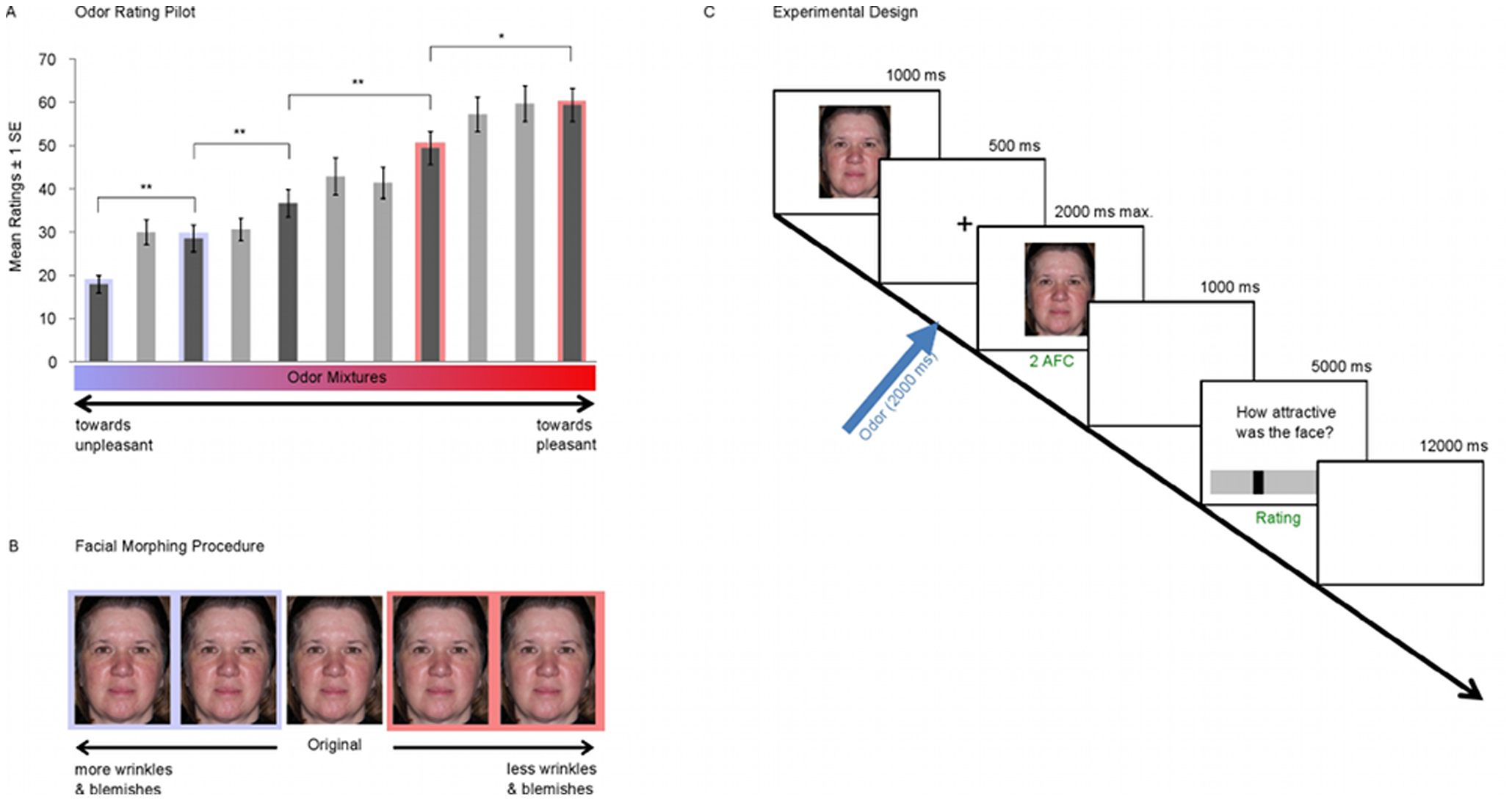
Want to be sexier? Ask your next potential boyfriend to meet you in a bakery.

Perfumes and scented products have been used for centuries as a way to enhance overall personal appearance and studies have shown that perception of facial attractiveness could be influenced when using unpleasant vs. pleasant odors - but it was not known whether odors influence the actual visual perception of facial features or alternatively, how faces are emotionally evaluated by the brain. 

In 1994, Congress passed 42 U.S.C. Section 14141 as part of the Violent Crime Control and Law Enforcement Act, granting the U.S. attorney general the power to initiate structural reform litigation against local police departments engaged in a pattern or practice of unconstitutional behavior.

It made few headlines but it has been credited as the basis for the Department of Justice to forcefully reform numerous large police departments across the country – including Cincinnati, Los Angeles, New Orleans, Pittsburgh, Seattle and Washington, D.C. Generally, local law enforcement doesn't like federal interference and the federal government doesn't want to try and manage 18,000 police departments, no matter how many laws Congress passes saying it should.