Banner
Pilot Study: Fibromyalgia Fatigue Improved By TENS Therapy

Fibromyalgia is the term for a poorly-understood condition where people experience pain and fatigue...

High Meat Consumption Linked To Lower Dementia Risk

Older people who eat large amounts of meat have a lower risk of dementia and cognitive decline...

Long Before The Inca Colonized Peru, Natives Had A Thriving Trade Network

A new DNA analysis reveals that long before the Incan Empire took over Peru, animals were...

Mesolithic People Had Meals With More Tradition Than You Thought

The common imagery of prehistoric people is either rooting through dirt for grubs and picking berries...

User picture.
News StaffRSS Feed of this column.

News Releases From All Over The World, Right To You... Read More »

Blogroll

Women going through menopause most likely think of it as the time for an end to monthly periods - and it will be, but not without some false alarms. Researchers at the University of Michigan say it's normal for the majority of women to experience an increase in the amount and duration of bleeding episodes, which may occur at various times throughout the menopausal transition.

The scholars offer the first long-term study of bleeding patterns in women of multiple race/ethnicities who were going through menopause. They say the results could impact patient care and alleviate undue concern about what to expect during this life stage that can last anywhere from 2-to-10 years.

In 1993, five people died in a clinical trial of fialuridine, a nucleoside analogue to treat hepatitis B virus infection.

An analysis by the US National Academy of Sciences of all preclinical fialuridine toxicity tests, which included studies in mice, rats, dogs, and monkeys, concluded that the available animal data provided no indication that the drug would cause liver failure in humans. So it's been a 21 year search to try and find ways to make trials safer.

Invasive fungal infections kill about 1.5 million people in 3 million cases each year,
more than are killed by malaria or tuberculosis. That half of the patients who enter a hospital with an invasive fungal infection in their blood die anyway makes it a medical crisis that isn't going away.  

Amphotericin is the most effective broad-spectrum antifungal drug available, but its use is limited by its toxicity to human cells.  Scientists have long sought to make amphotericin less toxic, but have been hindered by an obvious problem: Because it is so hard to study, no one knew exactly how it worked. 

Ménière's Disease is a rare condition affecting the inner ear.  It can cause tinnitus, hearing loss, vertigo attacks and a feeling of pressure deep within the ear and is a long term but non-fatal illness, making it low profile in scientific community.

But 160,000 sufferers in the UK are getting some help from the University of Exeter Medical School, which has been able to suggest what goes wrong in the body when people develop the disease, and provide an insight into factors that lead to its development.

People who are deaf and those with hearing differ in brain anatomy, no surprise in that.

But studies of individuals who are deaf and use American Sign Language (ASL) from birth aren't telling the whole science story. 95 percent of the deaf population in America is born to hearing parents and use English or another spoken language as their first language, usually through lip-reading.

Since both language and audition are housed in nearby locations in the brain, understanding which differences are attributed to hearing and which to language is critical in understanding the mechanisms by which experience shapes the brain. 

All organisms, from mammals to fungi, have daily cycles controlled by a tightly regulated internal clock called the circadian clock.

The circadian clock is influenced by exposure to light and dictates the wake-sleep cycle. At the cellular level, the clock is controlled by a complex network of genes and proteins that switch each other on and off based on cues from their environment and most genes involved in the regulation of the circadian clock have been characterized, but a key component was missing in mammals. 

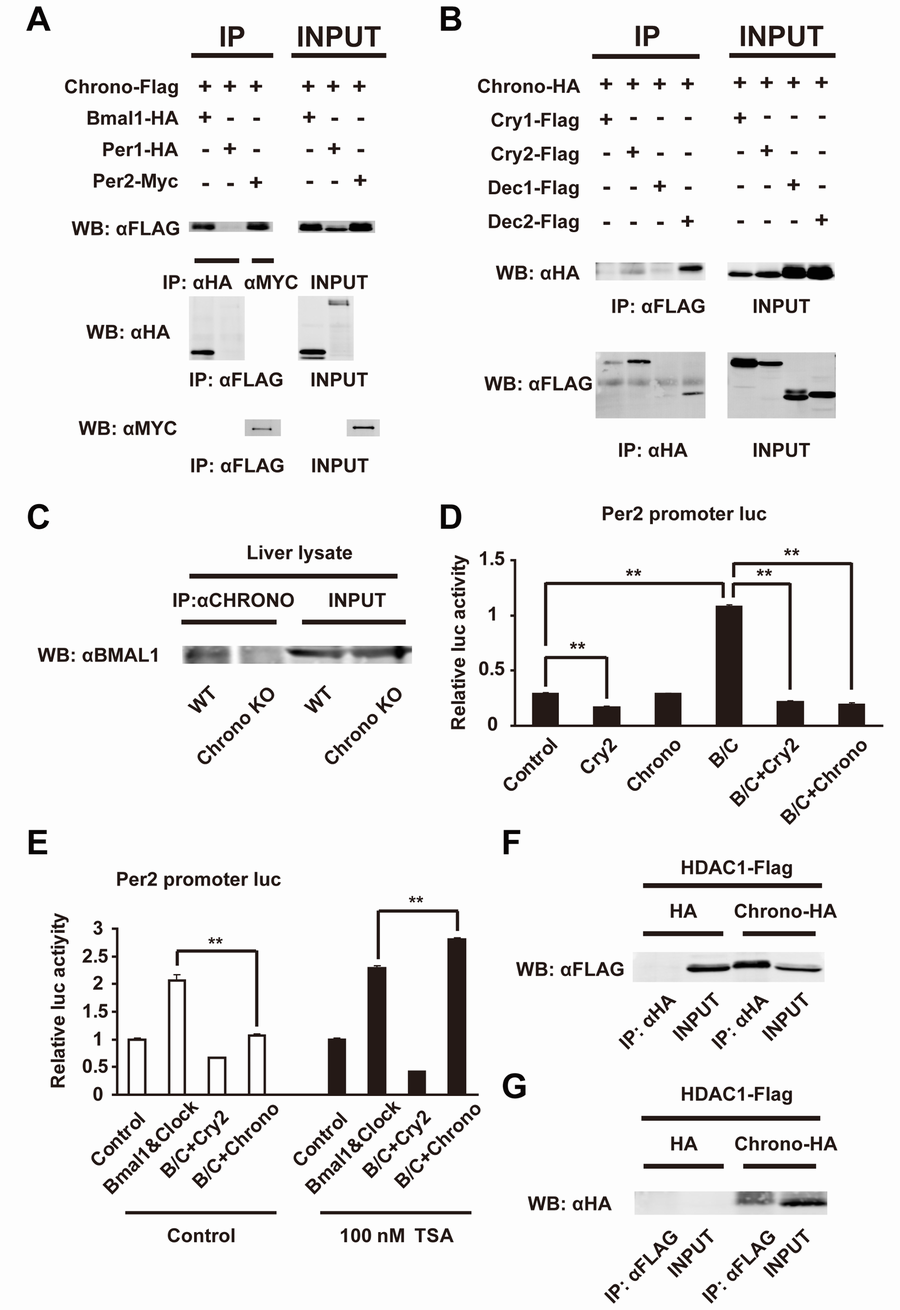
In a new study, a team performed a genome-wide chromatin immunoprecipitation analysis for genes that were the target of BMAL1, a core clock component that binds to many other clock genes, regulating their transcription.