Banner
Pilot Study: Fibromyalgia Fatigue Improved By TENS Therapy

Fibromyalgia is the term for a poorly-understood condition where people experience pain and fatigue...

High Meat Consumption Linked To Lower Dementia Risk

Older people who eat large amounts of meat have a lower risk of dementia and cognitive decline...

Long Before The Inca Colonized Peru, Natives Had A Thriving Trade Network

A new DNA analysis reveals that long before the Incan Empire took over Peru, animals were...

Mesolithic People Had Meals With More Tradition Than You Thought

The common imagery of prehistoric people is either rooting through dirt for grubs and picking berries...

User picture.
News StaffRSS Feed of this column.

News Releases From All Over The World, Right To You... Read More »

Blogroll

PHILADELPHIA (February 24, 2014) – The increasing use of expensive medical imaging procedures in the U.S. like positron emission tomography (PET) scans is being driven, in part, by patient decisions made after obtaining information from lay media and non-experts, and not from health care providers.

That is the result from a three-year-long analysis of survey data, and is published in the article , "Associations between Cancer-Related Information Seeking and Receiving PET Imaging for Routine Cancer Surveillance – An Analysis of Longitudinal Survey Data," appearing in the journal Cancer Epidemiology, Biomarkers & Prevention. Andy S.

The criticism of wind farms is that they are expensive, don't product enough electricity to be meaningful and change the weather patterns even a thousand miles away.

That may have a benefit; they may weaken hurricanes before landfall.

Imagine a 2012 US presidential election without New York City media whipping up a "Super Storm" and implying that Republican candidate Mitt Romney would cause hurricanes? He still would have lost but it would have given environmentalists one less reason to be against protecting people by embracing common-sense changes like waterproof subway doors and a seawall.

New research from Queen Mary University of London has discovered 11 new DNA sequence variants in genes influencing high blood pressure and heart disease.

Identifying the new genes contributes to our growing understanding of the biology of blood pressure and, researchers believe, will eventually influence the development of new treatments. More immediately the study highlights opportunities to investigate the use of existing drugs for cardiovascular diseases.

Research led by a team at Women & Infants Hospital of Rhode Island and The Warren Alpert Medical School of Brown University has been published in the February 10, 2014 online edition of Pediatrics, the official journal of the American Academy of Pediatrics. The research indicates that premature babies benefit from being exposed to adult talk as early as possible.

SEATTLE – Pancreas cancer is notoriously impervious to treatment and resists both chemotherapy and radiotherapy. It has also been thought to provide few targets for immune cells, allowing tumors to grow unchecked. But new research from Fred Hutchinson Cancer Research Center shows that pancreas cancer "veils" itself from the immune system by recruiting specialized immune suppressor cells. The research team also found that removing these cells quickly triggers a spontaneous anti-tumor immune response.

The findings, published Feb. 20 in Gut, give hope for future immunotherapy strategies against this deadly and aggressive cancer.

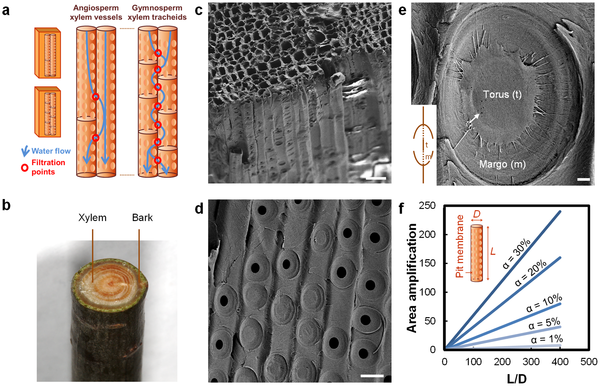
Boy scouts know this, and now we'll let you in on a secret too: if you've run out of drinking water during a lakeside camping trip, there's a simple solution. Break off a branch from the nearest pine tree, peel away the bark, and slowly pour lake water through the stick. This improvised filter will trap any bacteria, producing fresh, uncontaminated water. 

An MIT team has discovered that this low-tech filtration system can produce up to four liters of drinking water a day — enough to quench the thirst of a typical person.