Banner
Why Antarctic Sea Ice Stopped Growing In 2015

Though numerical models and popular films like An Inconvenient Truth projected Arctic ice...

Wealth Correlated To Loneliness

You may have read that Asian cultures respect the elderly more than Europe but Asian senior citizens...
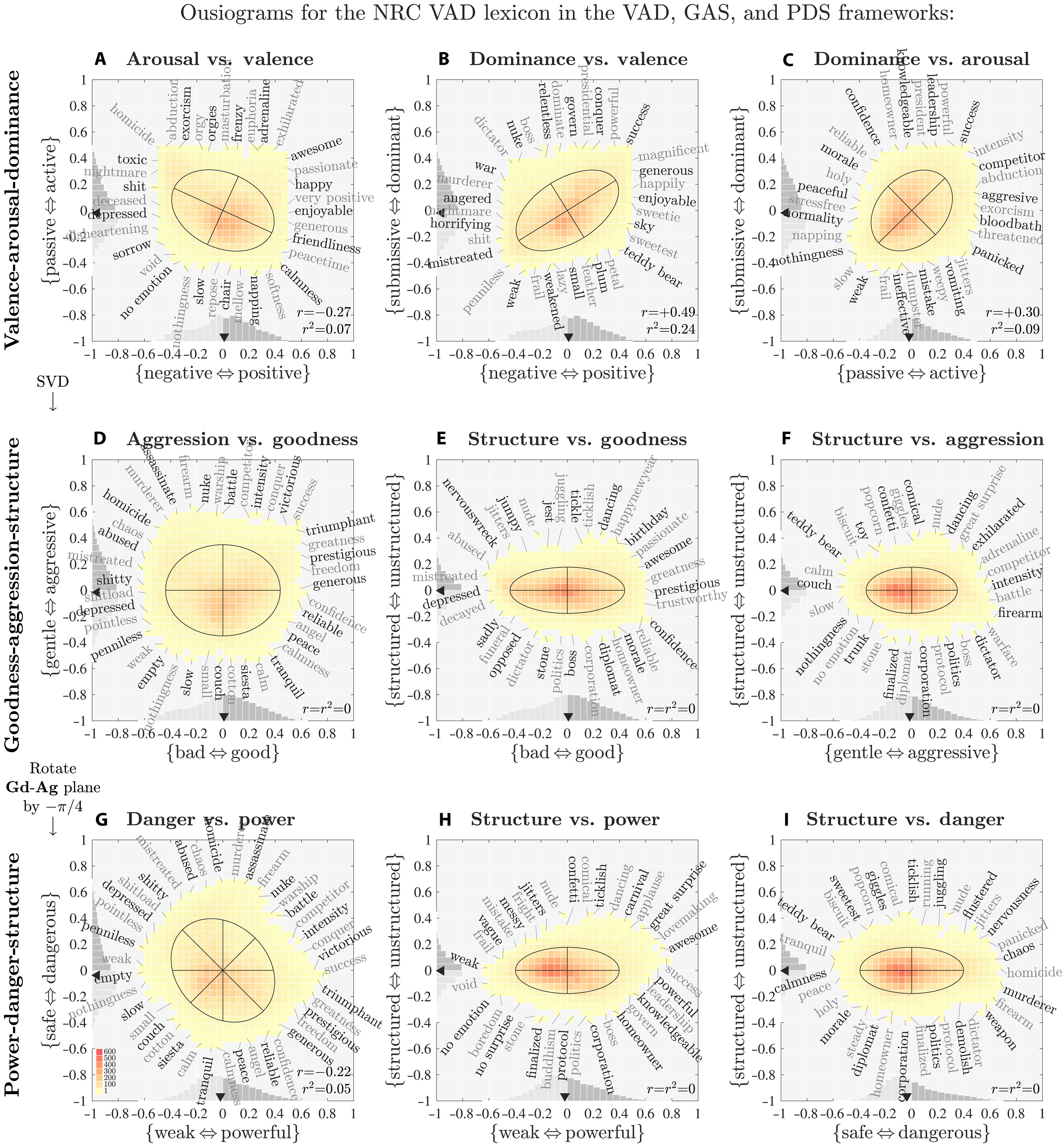
Ousiometrics Analysis Says All Human Language Is Biased

A new tool drawing on billions of uses of more than 20,000 words and diverse real-world texts claims...
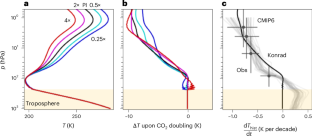
Wavelengths Of Light Are Why CO2 Cools The Upper Atmosphere But Warms Earth

There are concerns about projected warming on the Earth’s surface and in the lower atmosphere...

User picture.
News StaffRSS Feed of this column.

News Releases From All Over The World, Right To You... Read More »

Blogroll
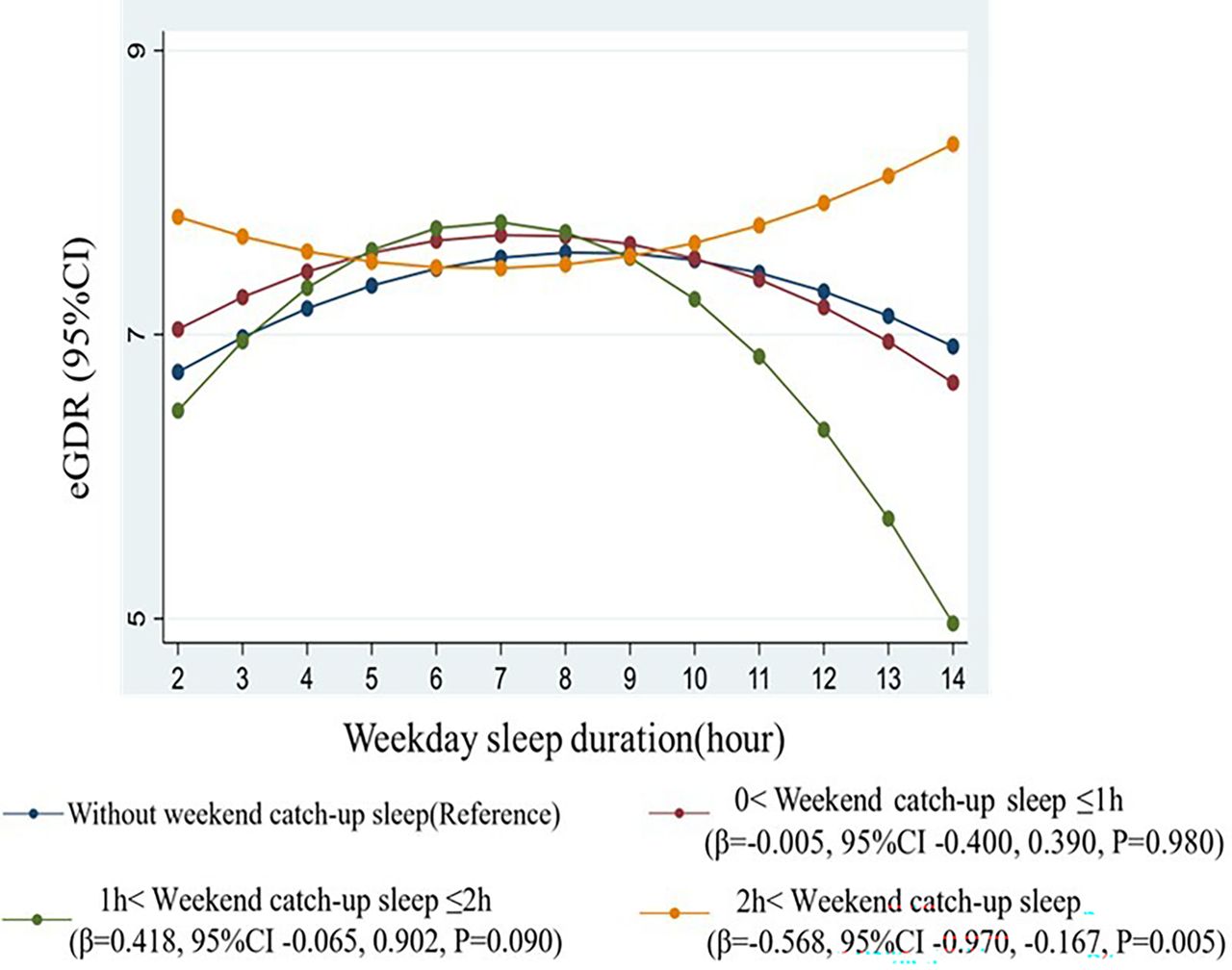
A new paper says the way to lower your risk of acquiring type 2 diabetes is not losing weight and exercising more, but sleeping 7 hours and 18 minutes every night.

You can't multiply that by seven days and catch up by sleeping more on the weekend and it also means if you just sleep less, you are out of luck. That is why like all epidemiological correlation, this is only EXPLORATORY. Science has not confirmed this and the correlation arrows could easily go the other way; insulin misfires may make you sleep less.
A randomized, double-blind, placebo-controlled clinical trial tested a four-day oral supplement, “FoTv,” which is made from the mycelium — the root-like network — of two types of mushrooms: Fomitopsis officinalis and Trametes versicolor (FoTv).

Participants began taking the supplement on the same day they received their vaccine and the authors reported that the supplement acted as a natural immune regulator and decreased vaccine side effects while preserving or increasing antibody levels and helping vaccine protection last longer. They say it could replace synthetic immune adjuncts which help the body produce a stronger antibody response - but have been linked to side effects such as fever, chills, fatigue and muscle aches.
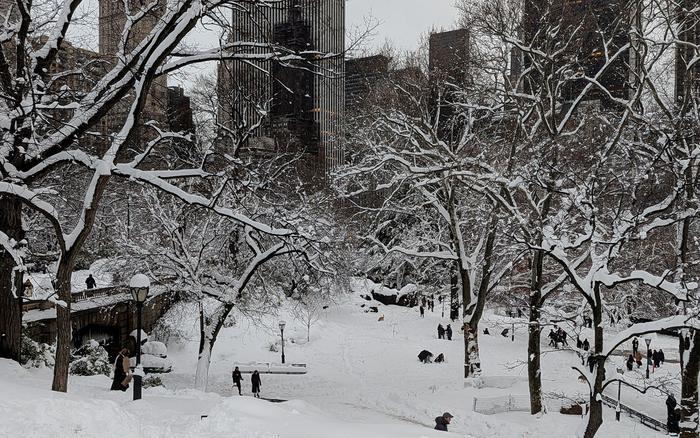
A new study examining regional snow cover trends across the Northern Hemisphere found seasonal shifts in snow - and a lot less of it.

The authors used the Rutgers University Global Snow Lab Northern Hemisphere Weekly Snow Cover Extent Data Record to determine whether snow cover across the Northern Hemisphere is increasing or decreasing. Then their two-state Markov chain model with periodic dynamics was used to analyze snow cover and found that significantly more areas are losing snow cover than gaining it.

And the seasons were changing.


Central Park in New York City. Credit: Mary Pollitz
A bad liver today currently means a replacement, but having enough transplant organs is challenging when families worry their loved ones' skeletons could be sold to middle schools and end up immortalized in prank photos. The future will involve replacements made with a patient's own stem cells, no immunosuppressive drugs or waiting lists needed.
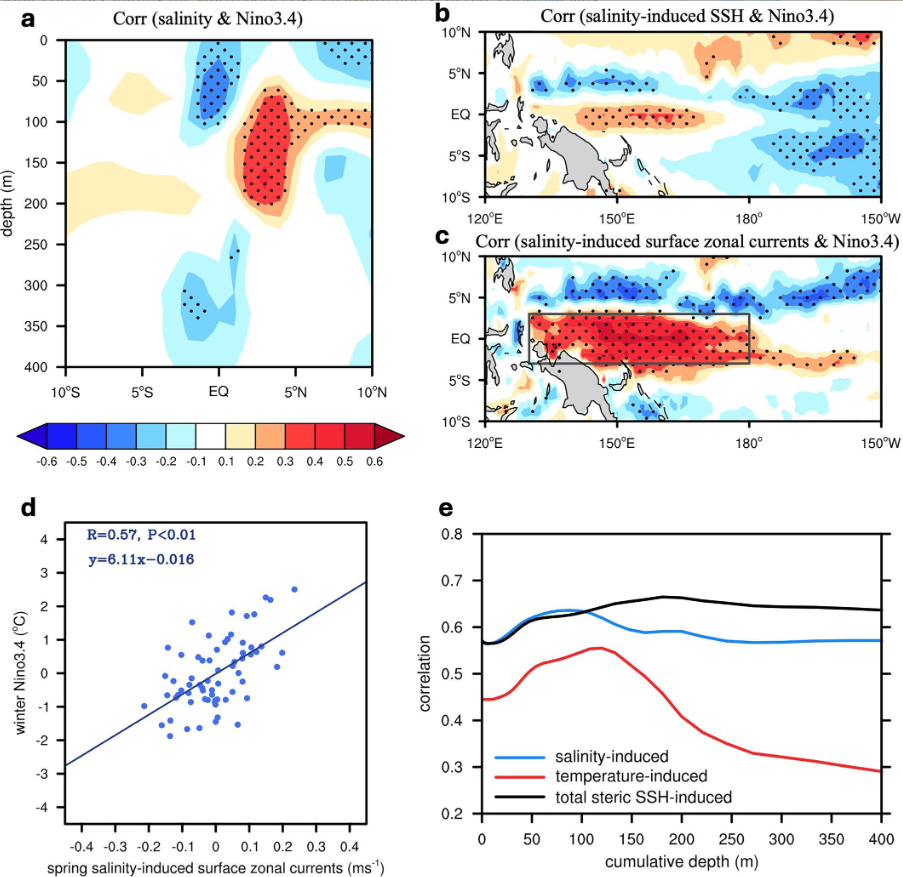
Once the weather got political, more attention became focused on the cyclical climate phenomenon El Niño. Critics charged that too many early models were shaped by understating its effects while proponents insisted its efforts were worse due to CO2 emissions.

There is something for everyone. It is cyclical, but not predictable, because it might bring wetter conditions to some areas and drier to others every two years. Or every seven. Experts can't agree on when it begins or ends, only that it's impacted by changes in what ancient sailors called the trade winds - the air currents that moved cargo ships from from east to west along the equator.
Glioblastoma, a deadly brain cancer, is treated with surgery to remove as much of the tumor as possible and then radiation and chemotherapy.

Like all cancer, that may not be the end of it. Sometimes, the aggressive cancer returns. A recent study sought to find out if high doses of vitamin B3 or niacin could help, by rejuvenating compromised immune cells to kill tumor cells, the way it had with mice. The researchers found that while glioblastoma suppresses the immune system, niacin in mice gave immune cells a boost so they could continue to attack and destroy cancer cells.