Banner
Synchrotron Could Shed Light On Exotic Dark Photons

There are many hypothetical particles proposed to explain dark matter and one idea to explore how...

The Pain Scale Is Broken But This May Fix It

Chronic pain is reported by over 20 percent of the global population but there is no scientific...
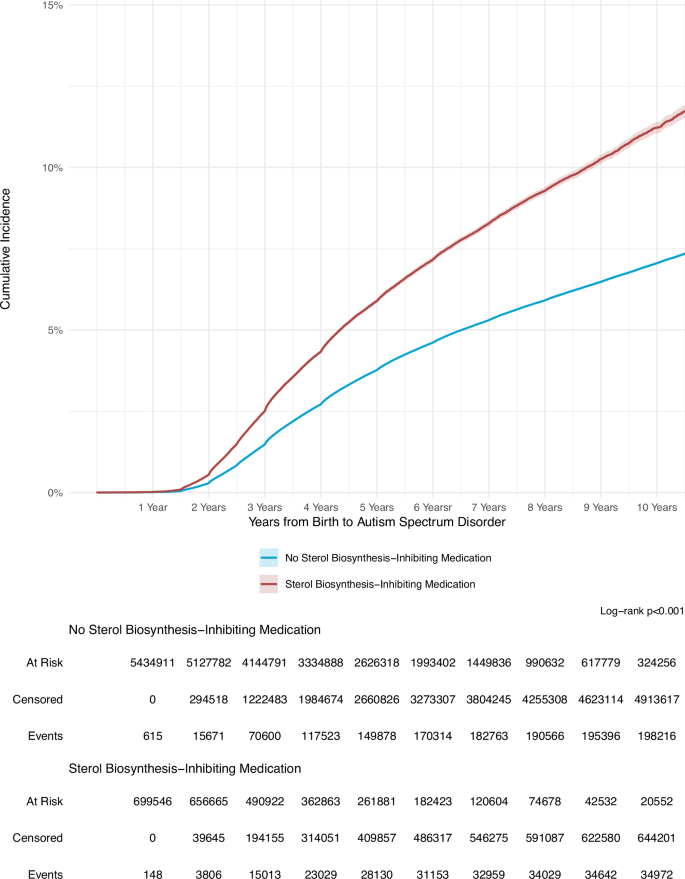
Study Links Antidepressants, Beta-blockers and Statins To Increased Autism Risk

An analysis of 6.14 million maternal-child health records  has linked prescription medications...

Pilot Study: Fibromyalgia Fatigue Improved By TENS Therapy

Fibromyalgia is the term for a poorly-understood condition where people experience pain and fatigue...

User picture.
News StaffRSS Feed of this column.

News Releases From All Over The World, Right To You... Read More »

Blogroll

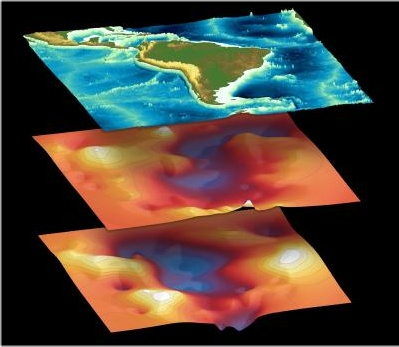
The Grand Canyon is spectacular to look at but figuring out how old it is can be frustrating. A new paper says that conventional models and estimates of the last 150 years are way off - it is far older than the 5 to 6 million years old commonly thought.

"Rather than being formed within the last few million years, our measurements suggest that a deep canyon existed more than 70 million years ago,"  says Kenneth A. Farley, Keck Foundation Professor of Geochemistry at Caltech and coauthor of the study.

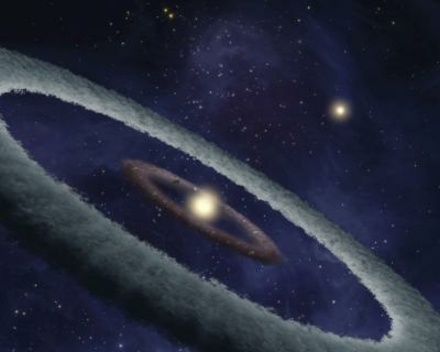
Astronomers find planets in strange places and wonder if they might support life. One such place would be in orbit around a white or brown dwarf. While neither is a star like the sun, both glow and so could be orbited by planets with the right ingredients for life.

No terrestrial, or Earth-like planets have yet been confirmed orbiting white or brown dwarfs, but there is no reason to assume they don't exist. However, new research by Rory Barnes of the University of Washington and René Heller of Germany's Leibniz Institute for Astrophysics Potsdam hints that planets orbiting white or brown dwarfs will prove poor candidates for life.

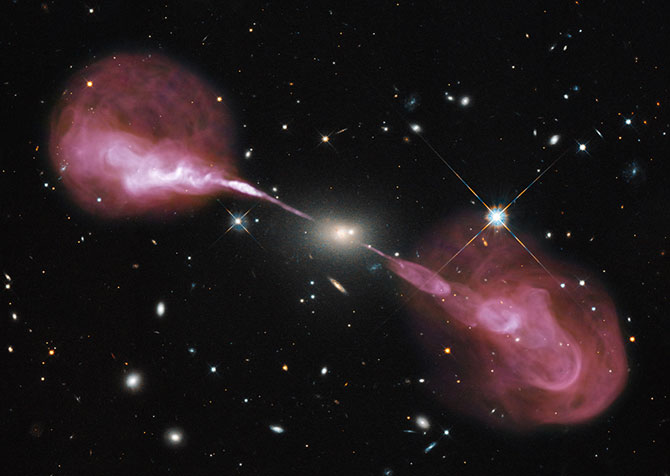
Spectacular jets powered by the gravitational energy of a super massive black hole in the core of the elliptical galaxy Hercules A are shown off by the combined imaging power of the Hubble Space Telescope's Wide Field Camera 3 and the recently upgraded Karl G. Jansky Very Large Array (VLA) radio telescope in New Mexico.

If you are obese, it is reasonably well-established that you are not going to exercise and vibration machines that sound like they might be less work, like the kind developed by the Soviets for astronauts, actually can burn through 400 calories in 15 minutes, so they are not for the casual - but a recent study found that low-intensity vibrations led to improvements in the immune function of obese mice.

If the same effect can be found in people, it would have clinical benefits for obese people suffering from a wide range of immune problems related to obesity.