

Banner
Synchrotron Could Shed Light On Exotic Dark Photons

There are many hypothetical particles proposed to explain dark matter and one idea to explore how...

The Pain Scale Is Broken But This May Fix It

Chronic pain is reported by over 20 percent of the global population but there is no scientific...
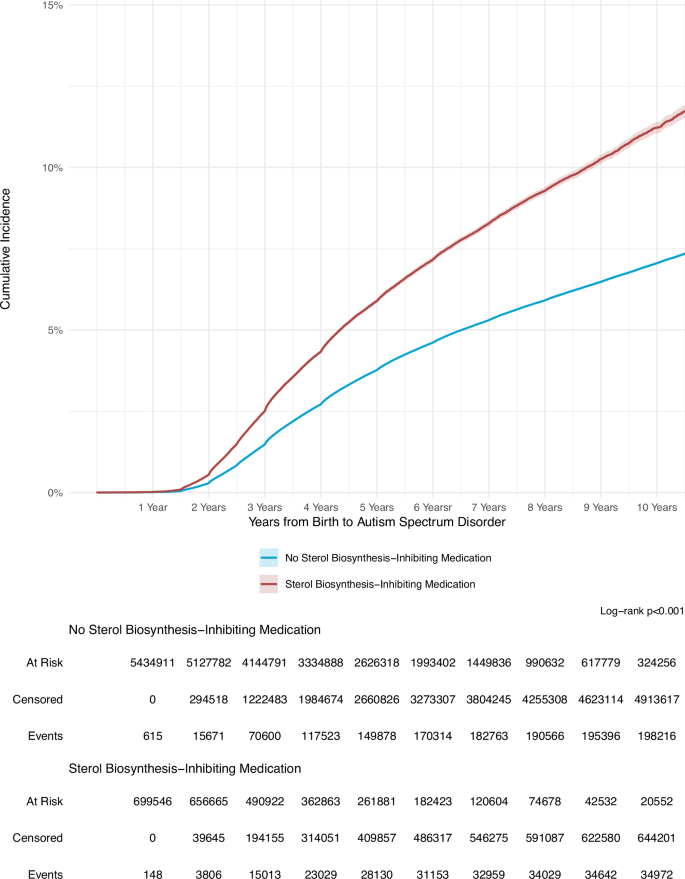
Study Links Antidepressants, Beta-blockers and Statins To Increased Autism Risk

An analysis of 6.14 million maternal-child health records  has linked prescription medications...

Pilot Study: Fibromyalgia Fatigue Improved By TENS Therapy

Fibromyalgia is the term for a poorly-understood condition where people experience pain and fatigue...

User picture.
News StaffRSS Feed of this column.

News Releases From All Over The World, Right To You... Read More »

Blogroll
In its third century, psychological science will come of age but a mature discipline carries with it responsibilities, chief among them the responsibility to maximize confidence in findings through good data practices and replication.

In the recent issue of Perspectives on Psychological Science (free to read), writers reflect on the discipline's ongoing commitment to examine methodological issues that affect all areas of science — such as failures to replicate previous findings and problems of bias and error — with the goal of strengthening the discipline and contributing to the discussion that is taking place throughout science.
Most people can't read lips. If you turn down the sound on your television, you can see why it is difficule. Unless trained, if you see someone speak a sentence without the accompanying sounds, you are unlikely to recognize many words but it turns out people can lip-read themselves better than they can lip-read others, and that shows an interesting link between speech perception and speech production.
Should child care providers be tasked with childhood obesity too? 

The National Health and Nutrition Examination Surveys found that over 21% of children ages 2 to 5 were considered overweight or even obese.  That has led some advocates to posit that child care settings can tackle teaching children about nutrition, since nearly 50% of children in the United States under age 5 go to some kind of child care.

OptiNose US Inc. has announced that its Norwegian affiliate was awarded $2.1 million by the Research Council of Norway to study its nasal drug delivery technology in the treatment of autism spectrum disorders (ASDs).

OptiNose will use this research grant to investigate "nose-to-brain" transport of oxytocin via the patented OptiNose Bi-Directional delivery technology for the treatment of ASDs. Partners who have agreed to collaborate with OptiNose in the project include the Department of Psychiatry at Oslo University Hospital, SINTEF and Smerud Medical Research and Norwegian academic insitutions. 

New data from the RELY-ABLE study have provided additional support to the safety profile and efficacy of Pradaxa(R) (dabigatran etexilate) for stroke prevention in patients with nonvalvular atrial fibrillation (AF) over a period in excess of 2 years.[*][1]

The new long-term results presented at the American Heart Association's (AHA) Scientific Sessions, are consistent with the findings from the RE-LY trial[*]. The rates of stroke and haemorrhage observed during an additional 2.3 years of blinded follow-up in RELY-ABLE correspond to the initial RE-LY results, with the benefit of both doses of dabigatran etexilate sustained throughout the study's duration.[1]-[3] 

Twelve-month data from the Global Anticoagulant Registry in the FIELD (GARFIELD) show that the poor management of stroke prevention therapy is widespread in clinical practice, which may lead to elevated rates of mortality, stroke and bleeding among individuals with newly diagnosed atrial fibrillation (AF).






