Banner
Synchrotron Could Shed Light On Exotic Dark Photons

There are many hypothetical particles proposed to explain dark matter and one idea to explore how...

The Pain Scale Is Broken But This May Fix It

Chronic pain is reported by over 20 percent of the global population but there is no scientific...
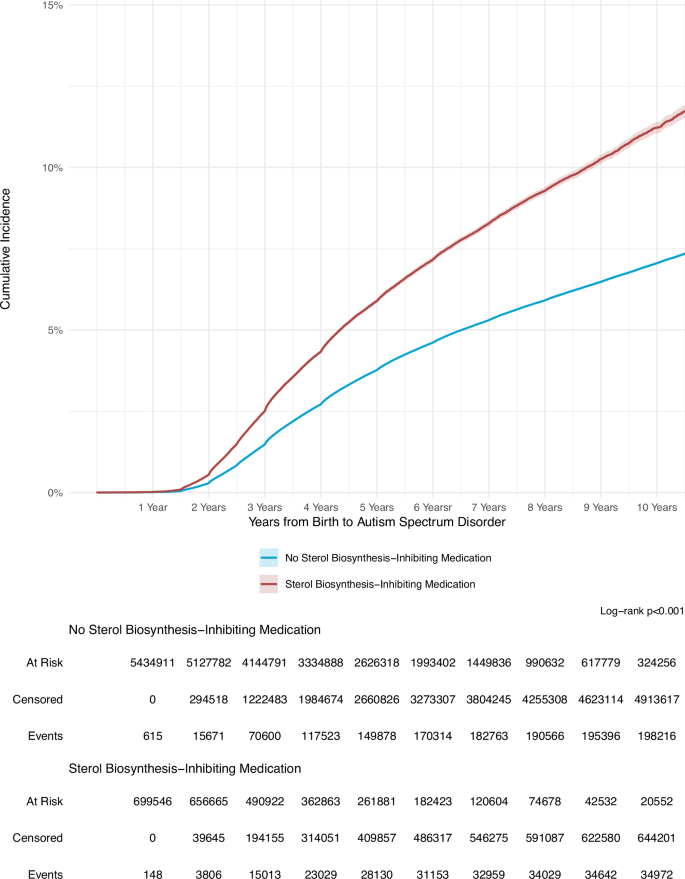
Study Links Antidepressants, Beta-blockers and Statins To Increased Autism Risk

An analysis of 6.14 million maternal-child health records  has linked prescription medications...

Pilot Study: Fibromyalgia Fatigue Improved By TENS Therapy

Fibromyalgia is the term for a poorly-understood condition where people experience pain and fatigue...

User picture.
News StaffRSS Feed of this column.

News Releases From All Over The World, Right To You... Read More »

Blogroll
Even though arsenic is toxic for many organs in the human body, it is used in therapeutic medicine and the treatment of some forms of cancer, and is an active component of drugs against parasitic diseases.
Wikipedia's user-generated content has made it the world's largest, and most derided, encyclopedia.

Part of the openness model has also led to 'edit wars' when the anonymous "editors" disagree with each other. The dynamics of these conflicts provide an interesting window into collaborative content production and the emergence and resolution of conflicts in an online environment, say researchers led by Taha Yasseri of the Budapest University of Technology and Economics.
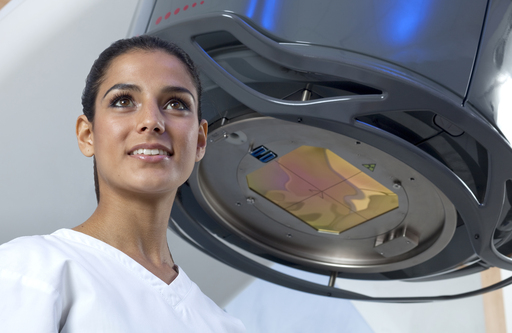
Using 160 high-resolution tungsten leaves and dramatically faster leaf movement, Elekta’s new Agility multi-leaf collimator (MLC) radiation therapy treatment for cancer patients recently received 510(k) clearance (K121328) from the U.S. Food and Drug Administration (FDA), enabling U.S. medical centers to use it for patients with cancer. 

An MLC is device made up of numerous, individual tungsten “leaves,” which shape beams of therapeutic radiation that are delivered from different angles around the patient. Using twice the number of leaves typical of many standard MLC’s, Agility precisely delivers radiation to the unique contours of the tumor, while reducing the risk of exposure to healthy tissue. 
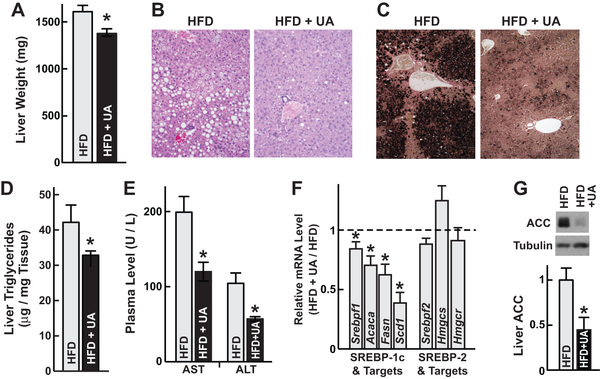
A new study shows that ursolic acid, a natural substance found in apple peel, can partially protect mice from obesity and some of its harmful effects. 

It seems European countries are discovering the issue Science 2.0 has discussed about America for many years. Granting student visas and then denying them work ones after their degrees under the guise of job protectionism means educating the best people and then sending them abroad to be competitors.

 The study, "Mobile Talent? The Staying Intentions of International Students in Five EU countries", published by the Research Unit of the Expert Council of German Foundations on Integration and Migration (SVR), compared European frameworks for international students and investigated the staying intentions of 6,239 non-EU international students in the UK, France, Germany, the Netherlands, and Sweden. 

Plant compounds from a South African daffodil may be used to treat depression, according to a University of Copenhagen study, where they tested those substance in a laboratory model of the blood-brain barrier.

Substances from the South African plant species Crinum and Cyrtanthus – akin to snowdrops and daffodils, respectively – have characteristics that enable them to negotiate the defensive blood-brain barrier, a key challenge in all new drug development.

Obviously you should not run out and start eating daffodils just yet.  The lab test does not show which compounds can be used in drug development.