A terrific scene in "Star Wars" - when "Star Wars" universe was still good(1) - was the double sunset on Tatooine. It wasn't the first time it was done but the graphics in "Star Wars" were light years ahead of its competition. Well, parsecs ahead of their time, if you understand physics the way George Lucas did (2).
We may now get to think about what it's like for real, though no one lives on the newly discovered cold and gaseous planet, Kepler-16b in the Kepler-16 system, which orbits two stars.
In 1997, Ray Stanford, a citizen scientist dinosaur tracker who often spent time looking for fossils close to his Maryland home, was searching a creek bed after an extensive flood and discovered a fossil which he identified as a nodosaur.
Nodosaurs have been found in diverse locations worldwide, but they've rarely been found in the United States. The area had originally been a flood plain, where the dinosaur originally drowned and it was tiny - only 13 cm long, just shorter than the length of a dollar bill. Adult nodosaurs are estimated to have been 20 to 30 feet long.
A 3-D inkjet printer can generate 3-dimensional solids from a wide variety of materials very quickly by applying the material in layers of defined shape and then bonding these layers are with UV radiation. It can create microstructures but 3-D printing technology is still too imprecise for the fine structures of capillary vessels.
Perhaps not for long.
Researchers at Fraunhofer are applying new techniques and materials to come up with artificial blood vessels in their BioRap project. In the future that may mean artificial tissue and maybe even complex organs in future.
Does playing music lead to less age-related hearing problems or do people without hearing problems continue to play music?
Hearing studies have shown that trained musicians have highly developed auditory abilities compared to non-musicians but a new study concludes hearing abilities in musicians and non-musicians differs, across the age spectrum from 18 to 91 years of age, and that musicians retain a keener ability to
detect and discriminate acoustic information from the environment.
We all know a high-fat diet is going to be bad for most people, but why?
A study in mice showed that those lacking the gene-expression-controlling enzyme HDAC3 that were fed a high-fat diet experienced rapid thickening of the heart muscle and heart failure. A molecular link between fat intake and an enzyme tasked with regulating gene expression, at least in mice, may be a target for combating heart disease.
The team found that the engineered mice without the enzyme HDAC3 tended to under-express genes important in fat metabolism and energy production. Essentially, when fed a high-fat diet, these animals' hearts cannot generate enough energy and thus cannot pump blood efficiently.
What would you say if an oil company said it wanted to invest in alternative energy research but the cost was too much so it needed public financing - but wanted no accountability or timeframes or an expectation of results?
You'd be skeptical of the papers they produce because they have every incentive to perpetuate the model and only produce positive results. Leaders in the scientific research have put scientists in that very position; more research needs to be taxpayer-funded, proponents claim, because the private sector won't do basic research, and in order to maintain that we have to keep it positive.


 Synchrotron Could Shed Light On Exotic Dark Photons
 The Pain Scale Is Broken But This May Fix It
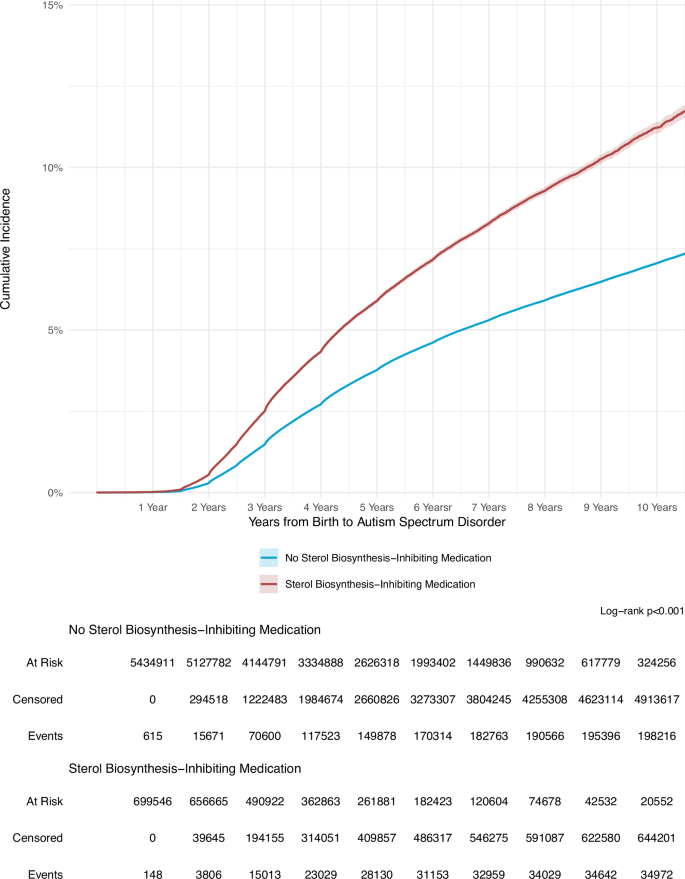 Study Links Antidepressants, Beta-blockers and Statins To Increased Autism Risk
 Pilot Study: Fibromyalgia Fatigue Improved By TENS Therapy