Banner
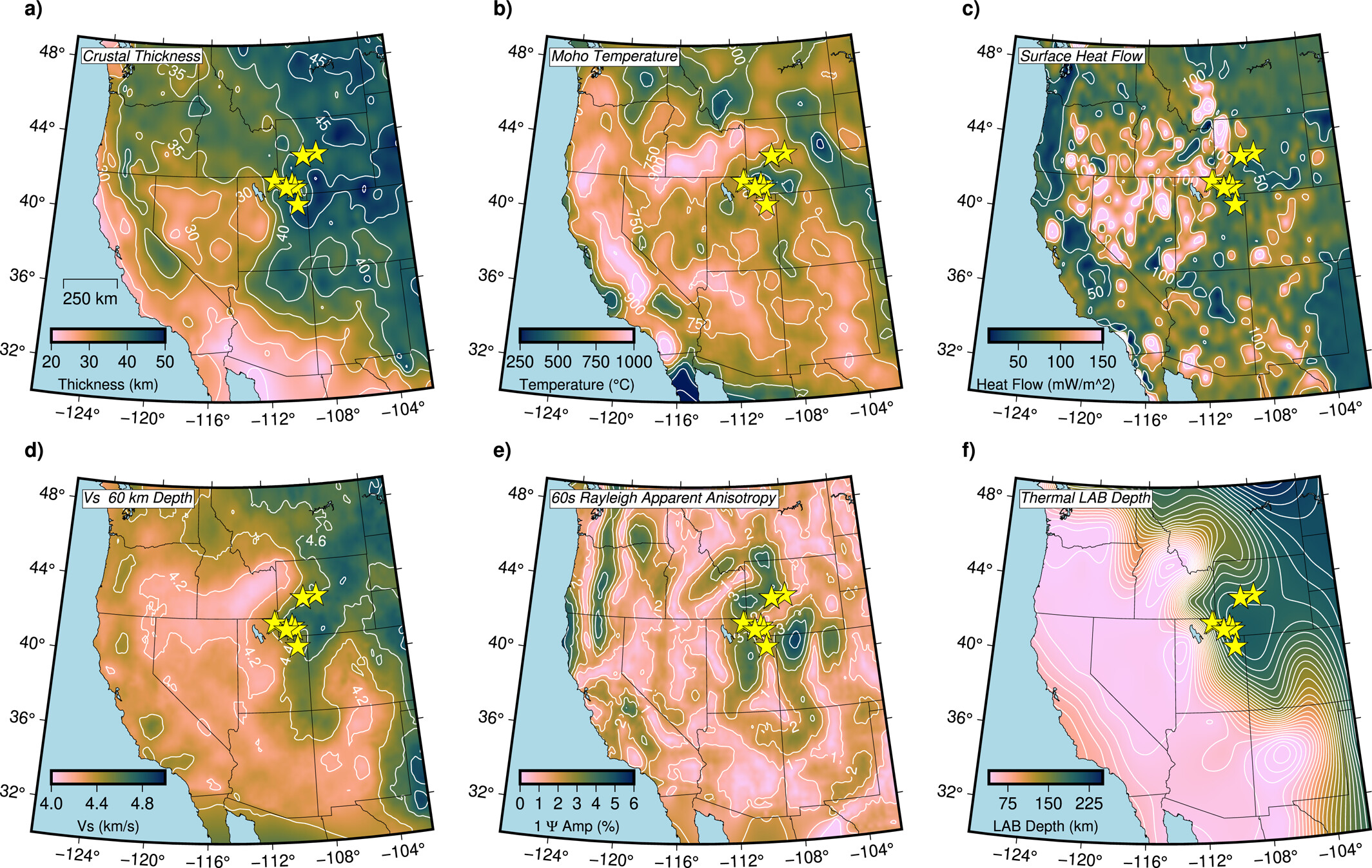
You Didn't Feel Continental Mantle Earthquakes, But They Happened. A Lot

A 1979 seismic event was a different kind of earthquake, and it is has intrigued scientists ever...

How To Overcome Leadership Battles

In times of social rancor and strife, most will fight each other, but societies are saved by those...

Thousands Of Unpublished Studies Show Why Conservation Efforts Miss The Mark

Europe alone has so much unpublished, un-catalogued biological data that it is challenging to take...

Why Antarctic Sea Ice Stopped Growing In 2015

Though numerical models and popular films like An Inconvenient Truth projected Arctic ice...

User picture.
News StaffRSS Feed of this column.

News Releases From All Over The World, Right To You... Read More »

Blogroll
Netflix is the big name in streaming, virtually everyone who has any interest in digital shows has heard of them, but they still give you a free trial.

No matter your size, and even if it's an existing customer, it makes good business sense, finds a new paper.
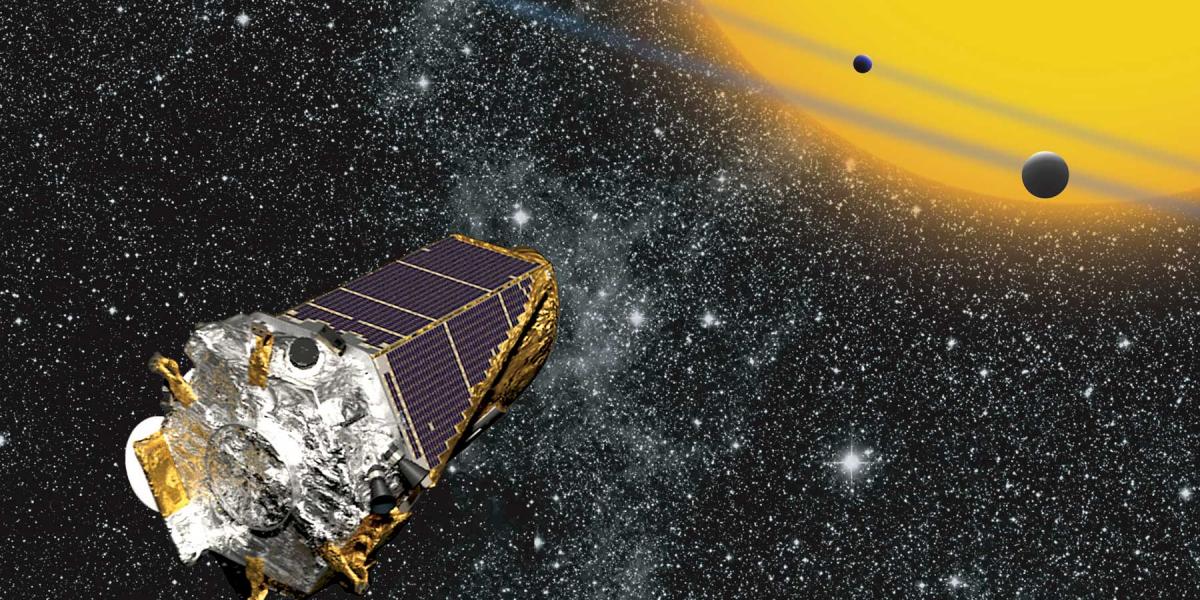
How big is the universe? No one really knows, but since we are in just one Orion spur of the arm of Sagittarius in one galaxy, and there are an unknown number of galaxies, it's big. So big our galaxy alone could have 6,000,000,000 planets like ours, according to a new estimate.

To be a potential planet like Earth, the new model estimating the number of planets like ours must be rocky, roughly Earth-sized and orbiting Sol-like (G-type) stars. It also has to orbit in the habitable zones of its star, which is the range of distances from a star in which a rocky planet could host liquid water  on its surface.
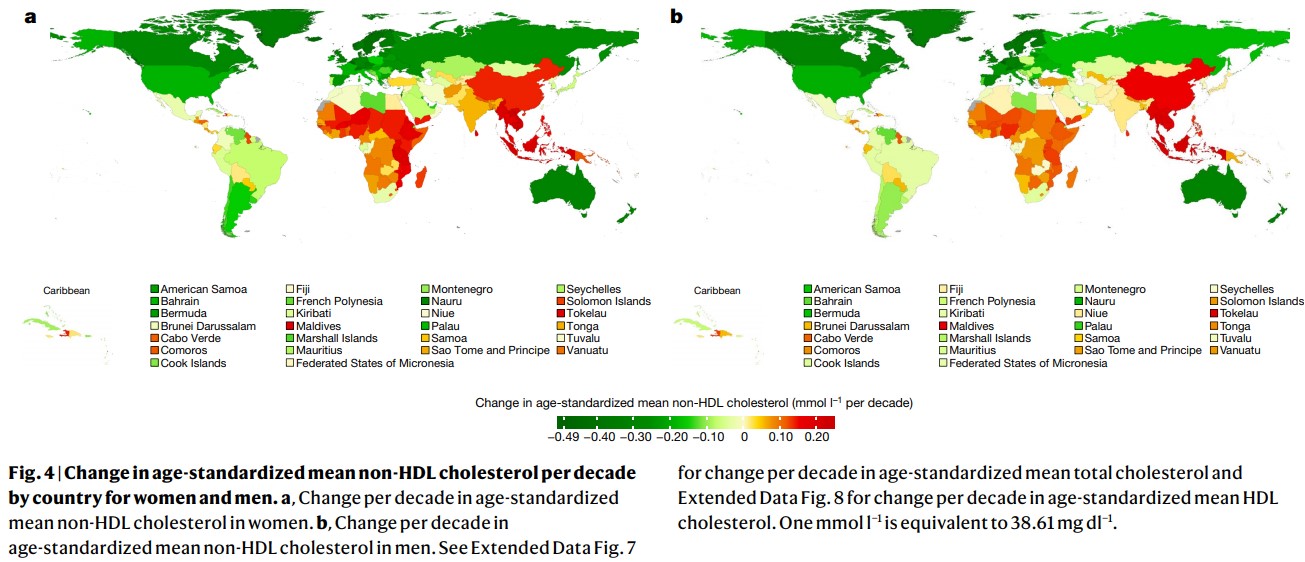
A few decades ago, Asian diets were regarded as superior because lower incomes meant they ate less meat - and those who were tested had less cholesterol, a substance found in the blood that the body uses to build healthy cells, but which can lead to a build-up in blood vessels. Cholesterol has been correlated to a risk factor for a risk factor for heart attacks.
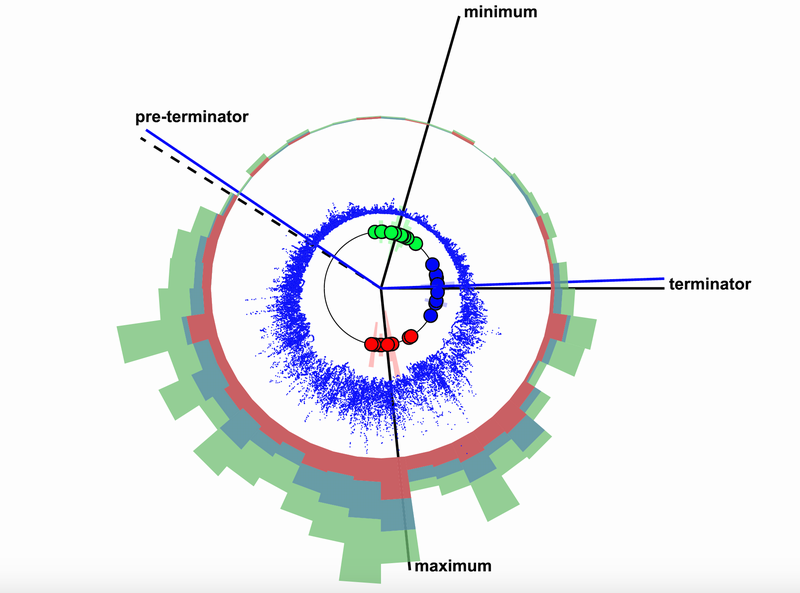
The math used to analyze cyclic phenomena like the ebb and flow of ocean tides has been applied to Sol, the star we orbit. While it can't do anything to flatten its irregularities, or the impacts it has on communications, temperature, and weather, the "Sun clock" created by scholars shows it starts and stops on a much more precise schedule than can be discerned by observations plotted linearly over time.
Humans do not hibernate, but in science-fiction films long-distance travel often involves "suspended animation" where muscular atrophy, starvation, and oxygen deprivation don't occur. 

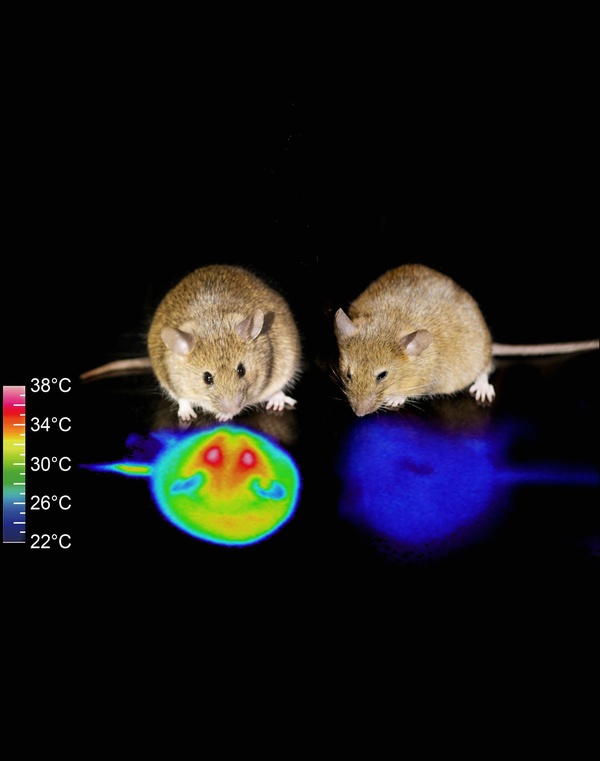
Mice don't hibernate either but they just did in experiments. Mice are obviously not little people, that is why claims involving mice are in the exploratory camp, but animals models are often a waypoint on the path to humans.

Well-preserved footprints from the Lower Cretaceous Jinju Formation of South Korea, 110 million years ago, show that an ancestor of modern-day crocodiles, named Batrachopus grandis, walked on two feet.

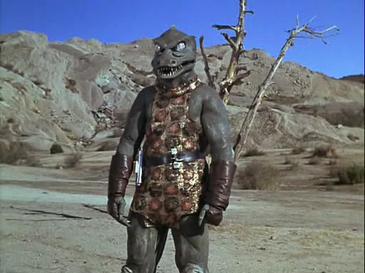
Palaeontologists knew that some crocodiles from the "age of dinosaurs" were more adapted to life on land than their modern relatives but those were smaller creatures, about three feet long with footprints showing they walked on all fours. Batrachopus grandis was instead 12 feet in size and bipedal. It is more like a Gorn from the television show "Star Trek" than what we think of as a crocodile.