Banner
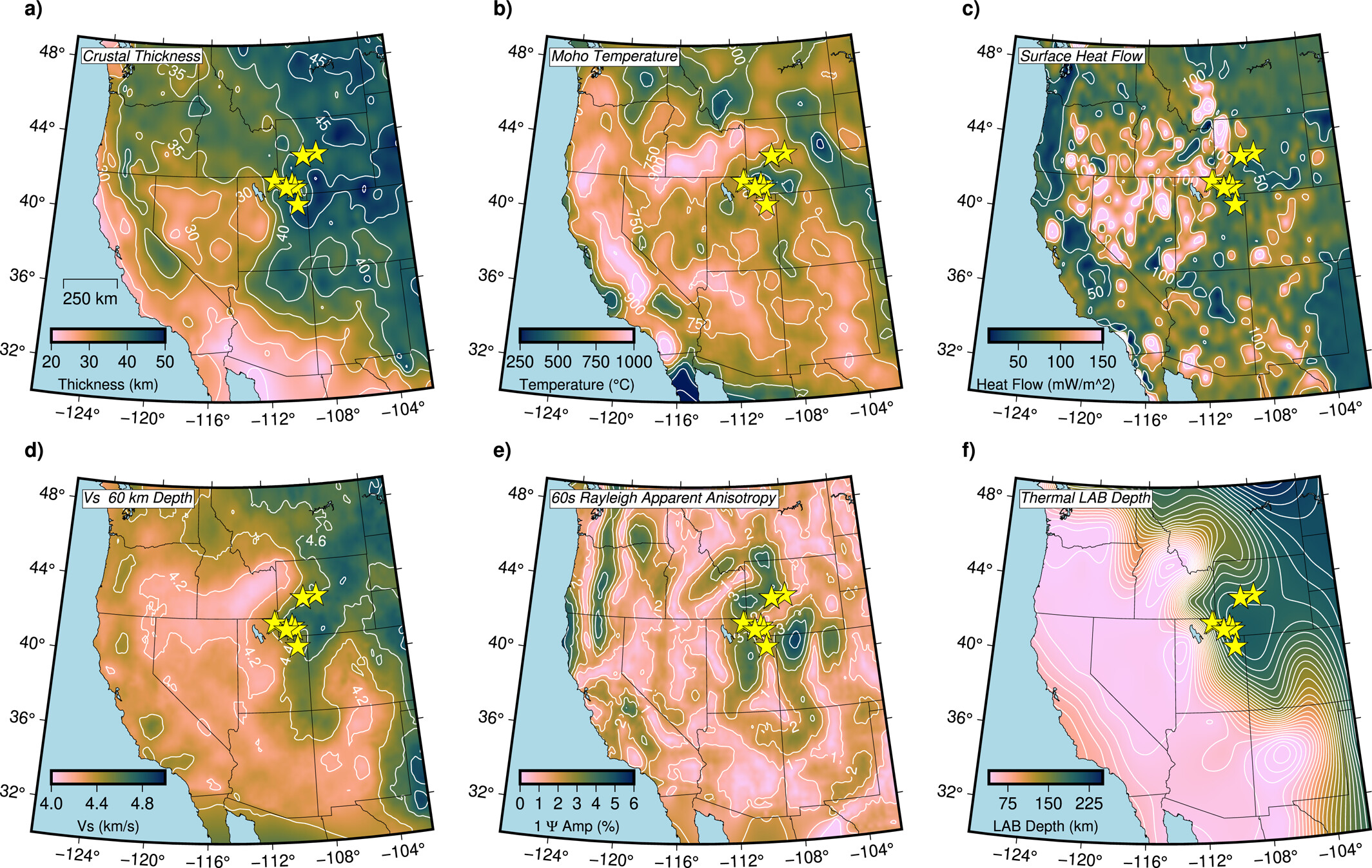
You Didn't Feel Continental Mantle Earthquakes, But They Happened. A Lot

A 1979 seismic event was a different kind of earthquake, and it is has intrigued scientists ever...
How To Overcome Leadership Battles

In times of social rancor and strife, most will fight each other, but societies are saved by those...
Thousands Of Unpublished Studies Show Why Conservation Efforts Miss The Mark

Europe alone has so much unpublished, un-catalogued biological data that it is challenging to take...

Why Antarctic Sea Ice Stopped Growing In 2015

Though numerical models and popular films like An Inconvenient Truth projected Arctic ice...

User picture.
News StaffRSS Feed of this column.

News Releases From All Over The World, Right To You... Read More »

Blogroll
The Scream is not one work of art but several; two paintings, two pastels, several lithographic prints and a few drawings and sketches. Edvard Munch  was a practical artist so if the check cleared he would make another.

His original Tempera on Cardboard is the most well-known version and can be found in Oslo’s National Gallery (Nasjonalmuseet) while his least liked version is crayon on cardboard. After the first was sold he made another two years later, in pastel on cardboard, and it is a lot less gloomy than the original. Probably because of the money he was getting. He then painted another Tempera on Cardboard in 1910 because the others had sold.
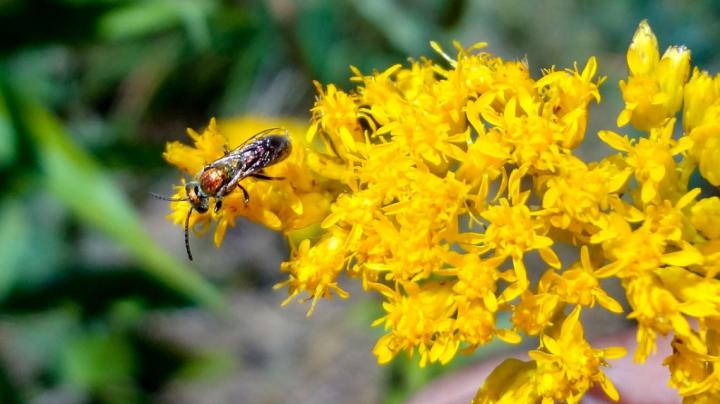
The biggest cause of bee die-offs is just random luck. For as long as bee numbers have been reported there have been reports of sudden, large-scale die-offs. Nature is out to kill them like it is all of us. Yet more recently, it has been found that we can help bees make their own luck. Pesticides wipe out varroa mites, the greatest enemy bees have.
Though coronavirus is a new name for much of the world, microbiologists have worried about it for half a century. It is in the same family as the common cold virus but with the right mutation it can be deadly to those with risk factors for respiratory diseases because it is common like the common cold.

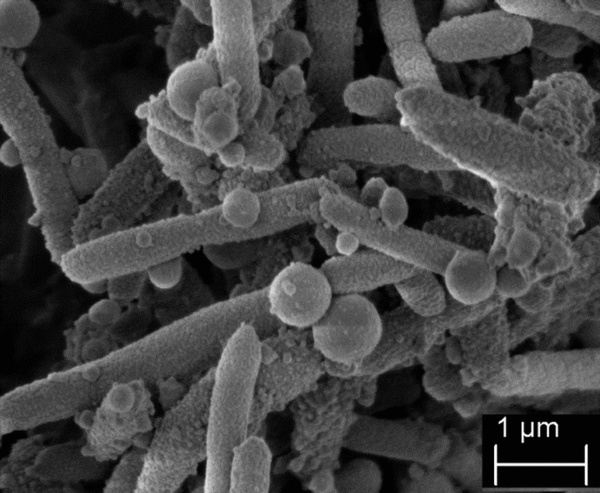
To microbiologists, the world is filled with pathogens so predicting the next plague when nature is always out to kill us can verge on paranoia; instead we are fortunate most new crises never happen. Let's hope that worry about global spread of the multi-resistant pathogen Stenotrophomonas maltophilia fizzles out also.
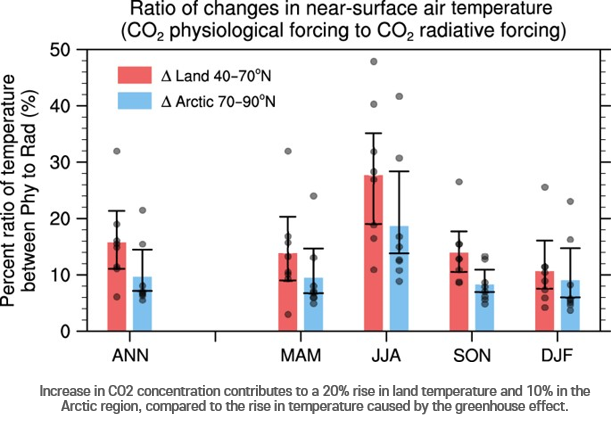
A new paper has implicated a physiologic mechanism in vegetation as a cause for Arctic warming.

The "greenhouse effect" is well-known by now, water vapor that plants emit during photosynthesis serves to lower land surface temperature, similar watering the yard on a hot day, but it can lead to a rise in air temperature.

The new paper finds that the Arctic temperature rises when the moisture released by plants is reduced due to the increase of carbon dioxide (CO2 ) in the atmosphere. The increase in atmospheric CO2 concentration closes the pores (stomata) of plants in high-latitude areas and reduces their transpiration, which they find ultimately accelerates Arctic warming. 
When states and nations began to implement forced lockdowns to combat COVID-19, the SARS-CoV-2 coronavirus that has now killed 20,000 more people than the flu did two years ago, there was relatively little mention of mental health. For those who wanted to stay home and learn to bake bread, it was a paid vacation, but for those more susceptible to psychological stress it is a risky time.

Anxiety-prone people can blame serotonin cleanup proteins gone awry in their amygdala, according to research in marmosets recently published in JNeurosci. Targeting the amygdala with anti-anxiety medication could provide quicker relief.

The same event or set of life circumstances could send one person into the depths of anxiety or despair while leaving another unaffected. This distinction, called trait anxiety, arises from the proteins involved in serotonin signaling, a neurotransmitter implicated in anxiety and depression.