Banner
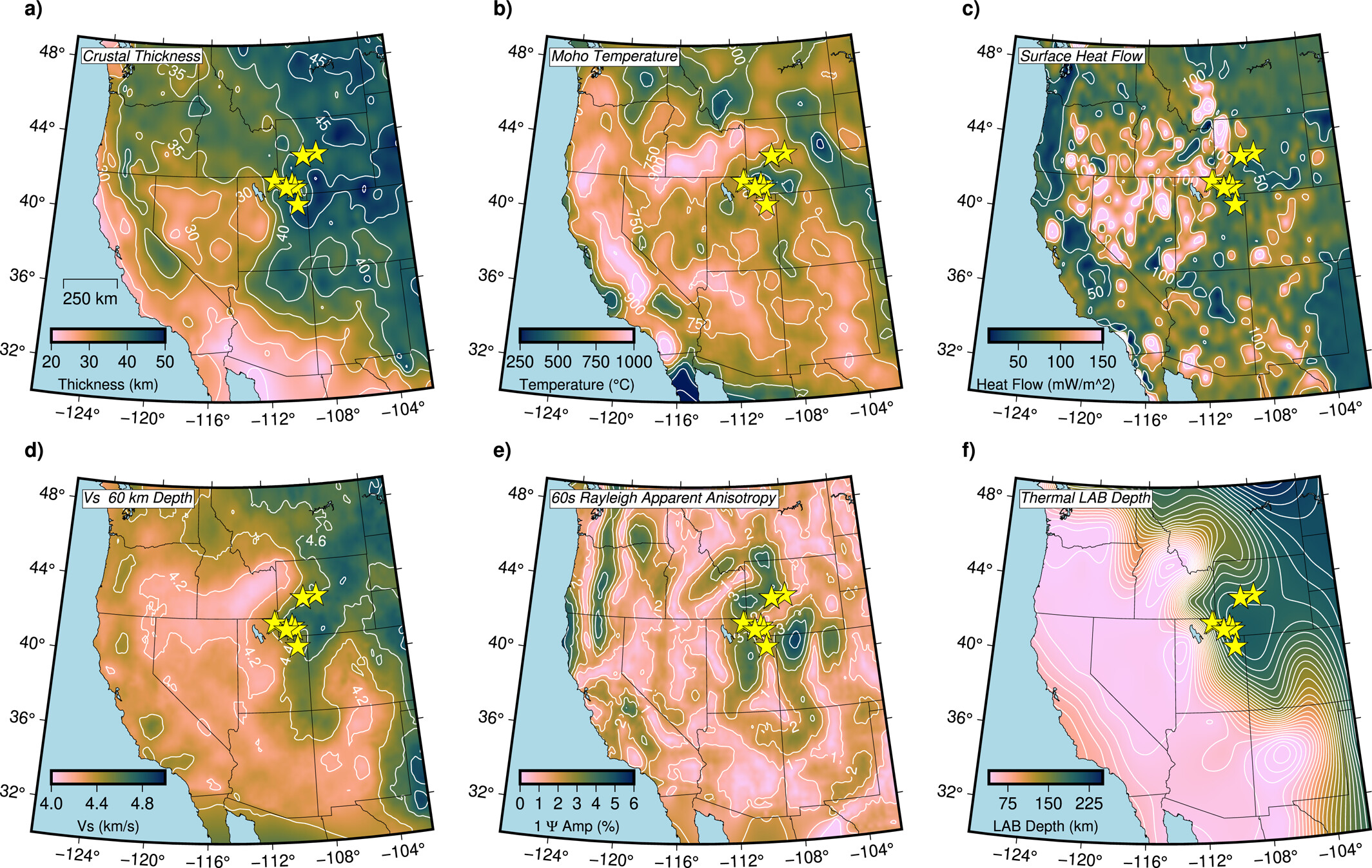
You Didn't Feel Continental Mantle Earthquakes, But They Happened. A Lot

A 1979 seismic event was a different kind of earthquake, and it is has intrigued scientists ever...

How To Overcome Leadership Battles

In times of social rancor and strife, most will fight each other, but societies are saved by those...

Thousands Of Unpublished Studies Show Why Conservation Efforts Miss The Mark

Europe alone has so much unpublished, un-catalogued biological data that it is challenging to take...

Why Antarctic Sea Ice Stopped Growing In 2015

Though numerical models and popular films like An Inconvenient Truth projected Arctic ice...

User picture.
News StaffRSS Feed of this column.

News Releases From All Over The World, Right To You... Read More »

Blogroll
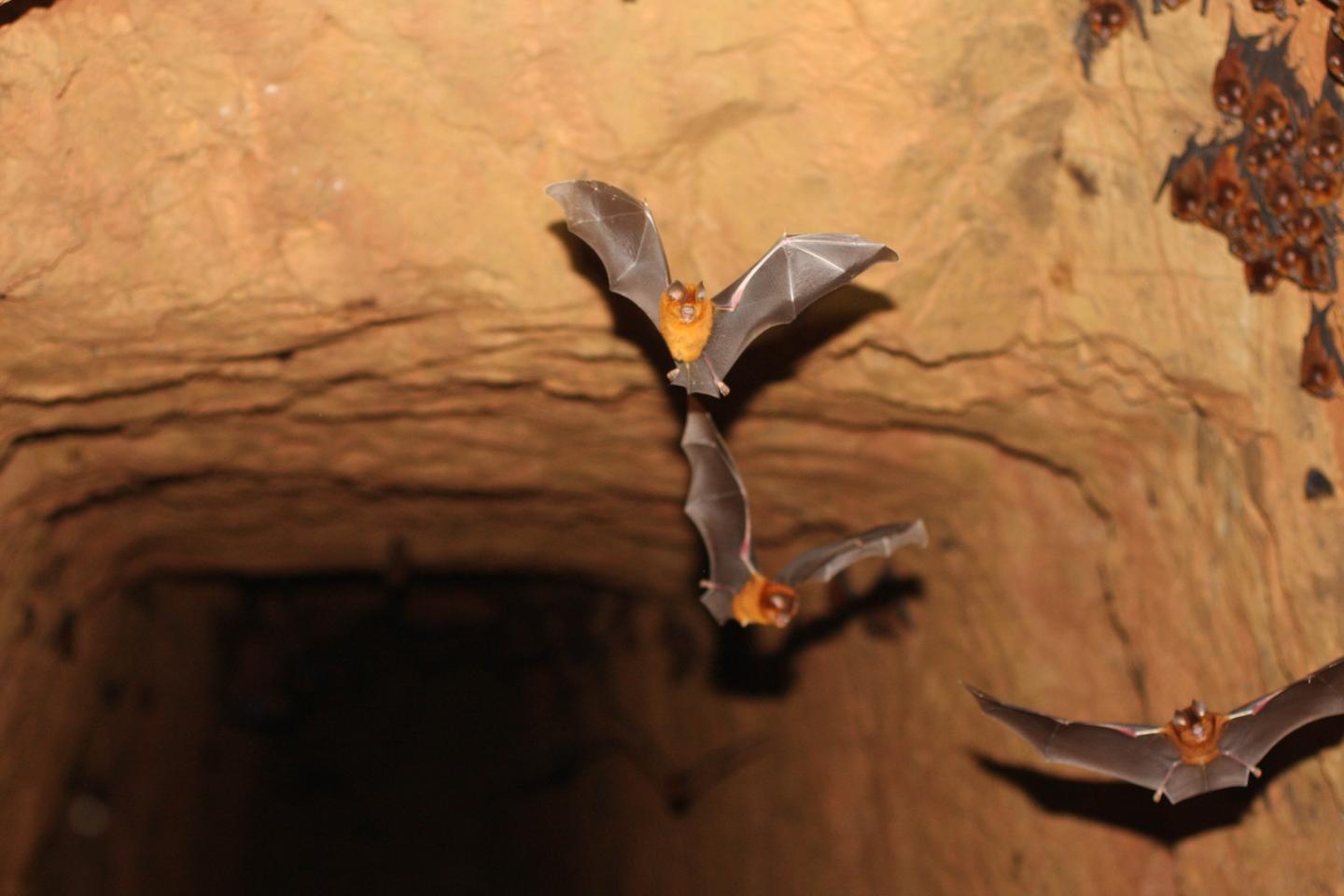
COVID-19 resulted from a coronavirus that originated in a horseshoe bat in China but with at least two dozen species of horseshoe bats in China (no one knows how many there really are), no one can determine which species  was involved.

Bats carry diseases, but unlike the useless disease vectors known as Aedes aegypti mosquitoes, bats have ecological value also; they can pollinate crops and eat disease-carrying mosquitoes.
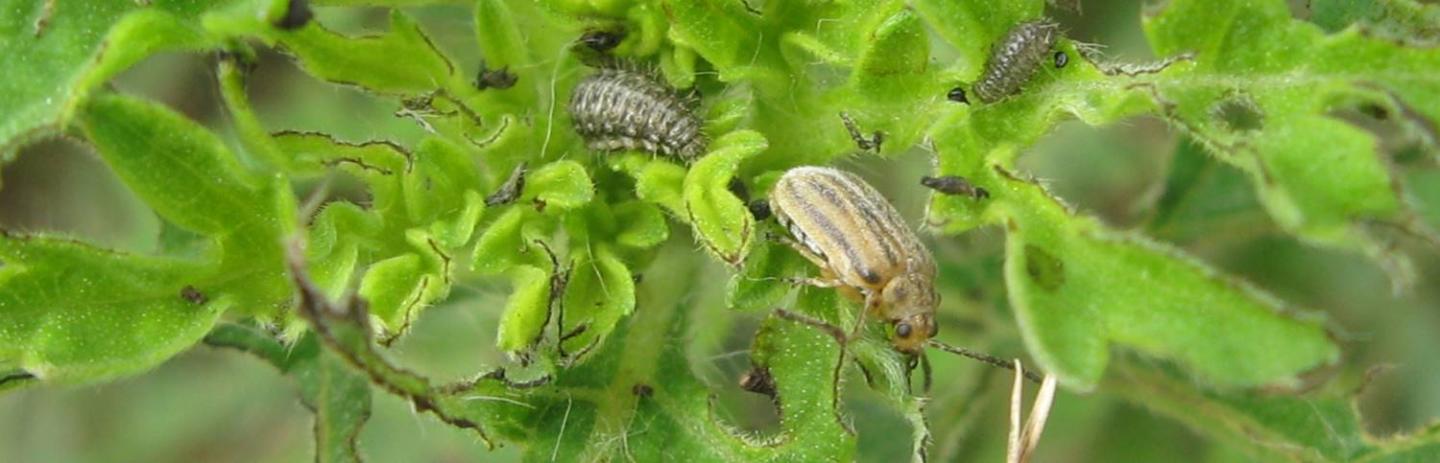
The leaf beetle Ophraella communa can significantly reduce pollen and that may mean a more cost-effective way to reduce allergies and their health care costs using science, while still appealing to activists that otherwise would oppose it.

Ambrosia artemisiifolia, ragweed, causes sneezing and itchy eyes in those with an allergy and aggravates conditions such as asthma and eczema.
Though we convert fat, protein, and carbohydrates to make our common ATP energy currency, microbes have a far more diverse diet.

It turns out a new one can even digest organic compounds like ethane, the second most common component of natural gas.

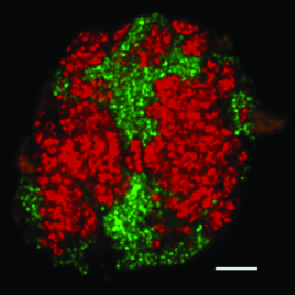
In the seafloor of the Guaymas Basin at a water depth of 2000 meters in the Gulf of California, a new archaea named Ethanoperedens thermophilum ("heat-loving ethane-eater") has been discovered, and it can also convert carbon dioxide into ethane.
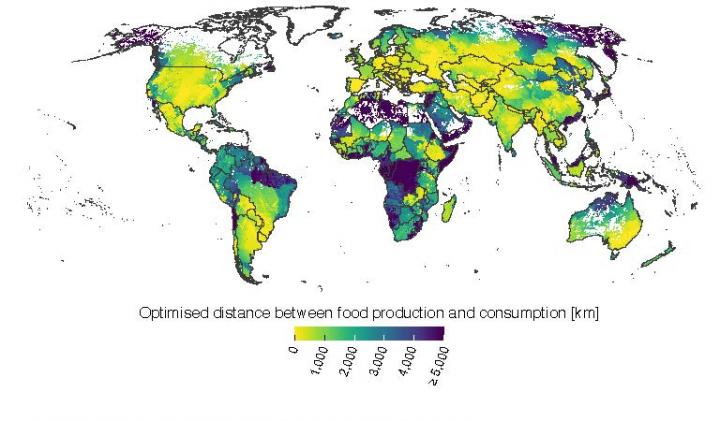
In western countries, there is a lot of talk about globalization and agriculture being negative things about the modern world. They instead offer terms like "agroecology" and "locally grown" and "sustainable."

To paraphrase U.S. President Eisenhower, when the only hoe you have ever seen is in a Twitter posting by an organic industry trade group, farming is easy.
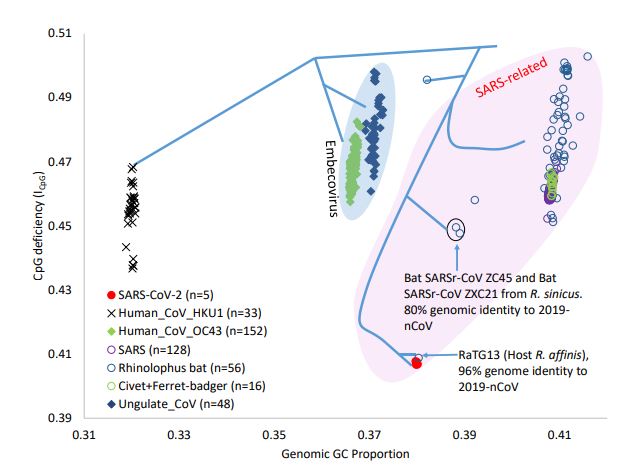
Science is often easy in hindsight and two years from now we will likely know the evolution of SARS-CoV-2 from bats to humans. For now, it is mostly speculation.

An intermediate animal host may have been snakes or pangolins, but the real common ancestor of SARS-CoV-2 goes back for as long as coronavirus was recognized as distinct from the common cold - the 1960s.
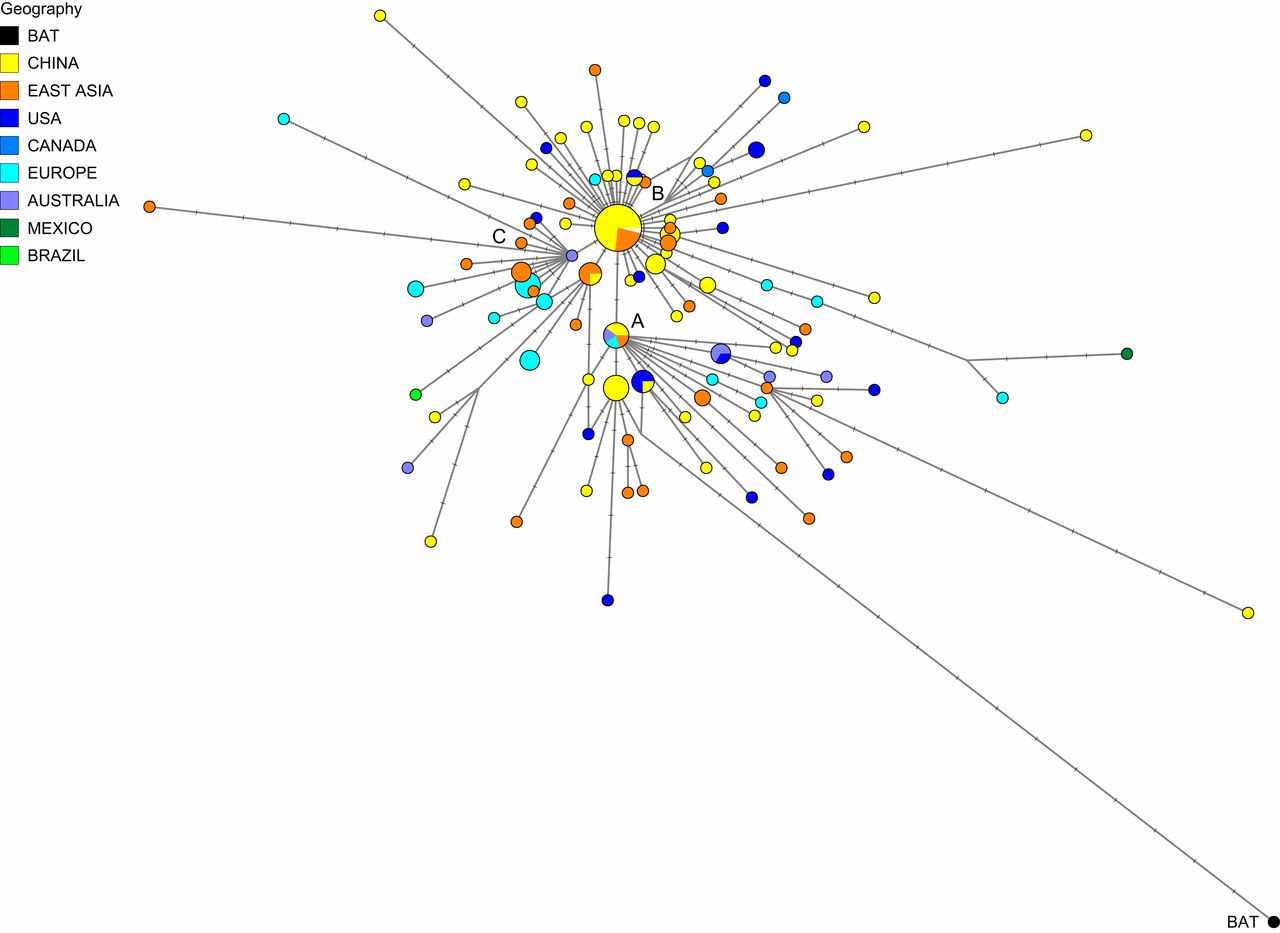
The early "evolutionary paths" SARS-CoV-2, the 2019 coronavirus that leads to COVID-19 in humans have been traced using phylogenetic network techniques and shows how it spread from Wuhan to Europe and America.

While there are too many rapid mutations in coronaviruses, they are in the same family as the common cold, to ever find a Patient Zero or even a settled family tree, analysis of the first 160 complete virus genomes to be sequenced from human patients show the original spread of the new coronavirus through its mutations.