Banner
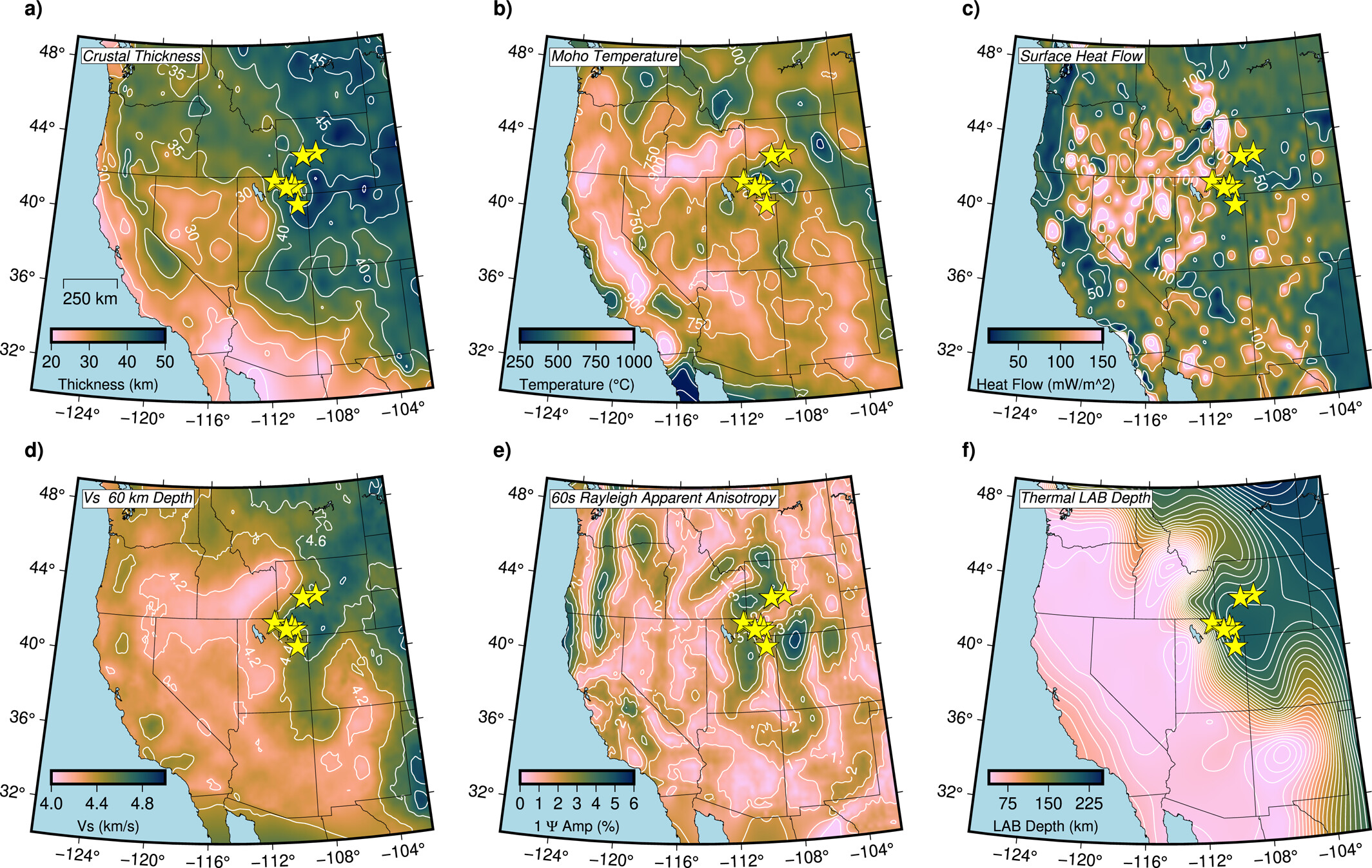
You Didn't Feel Continental Mantle Earthquakes, But They Happened. A Lot

A 1979 seismic event was a different kind of earthquake, and it is has intrigued scientists ever...
How To Overcome Leadership Battles

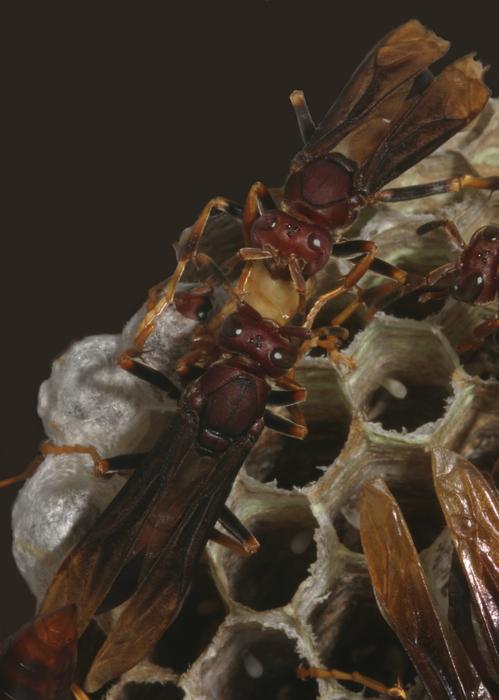
In times of social rancor and strife, most will fight each other, but societies are saved by those...
Thousands Of Unpublished Studies Show Why Conservation Efforts Miss The Mark

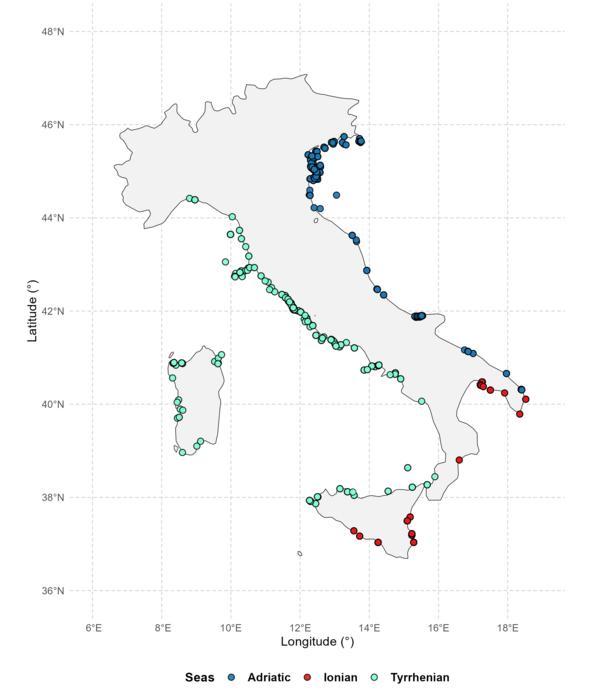
Europe alone has so much unpublished, un-catalogued biological data that it is challenging to take...

Why Antarctic Sea Ice Stopped Growing In 2015

Though numerical models and popular films like An Inconvenient Truth projected Arctic ice...

User picture.
News StaffRSS Feed of this column.

News Releases From All Over The World, Right To You... Read More »

Blogroll
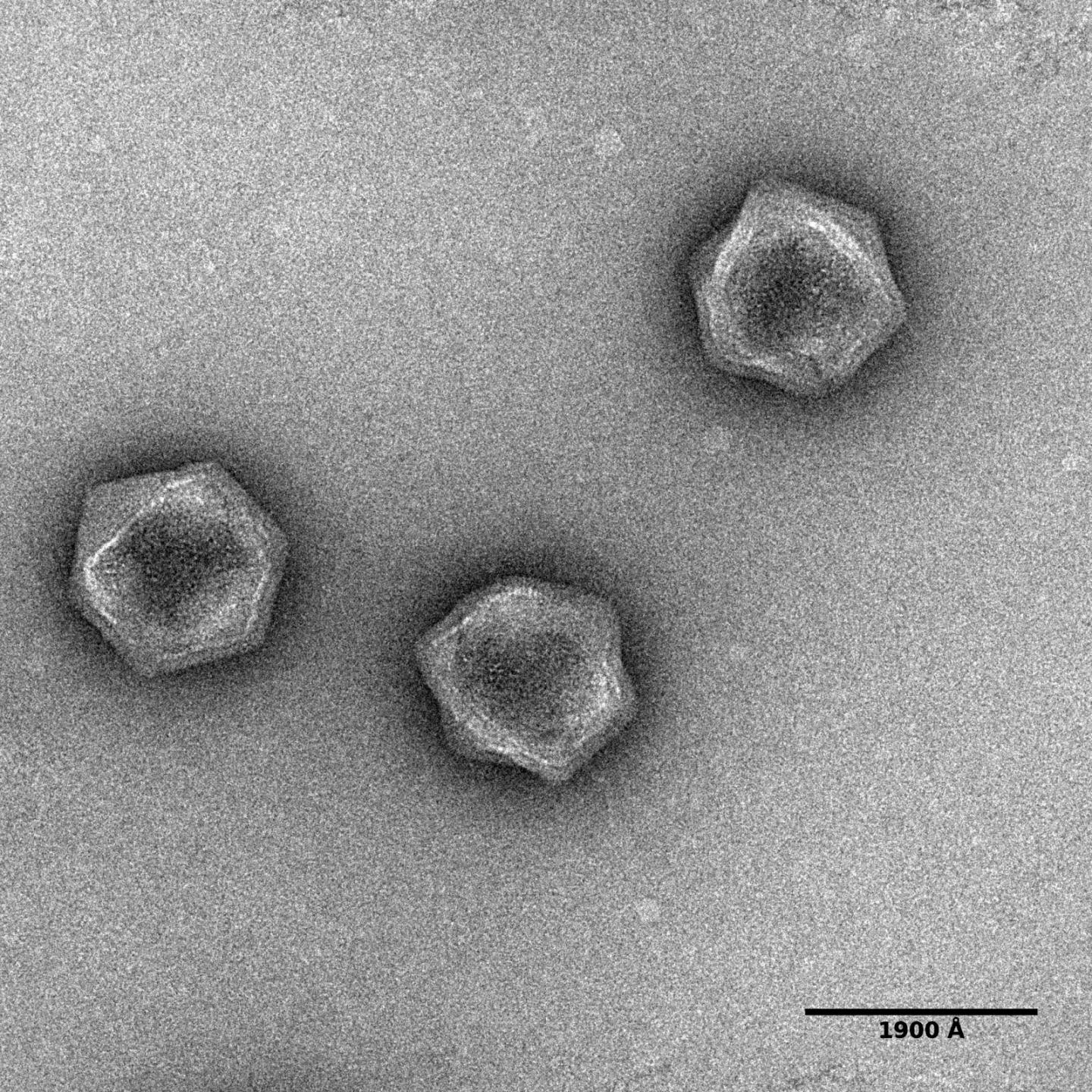
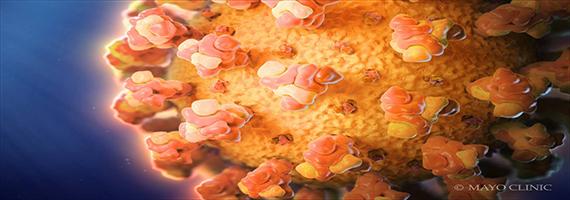
Though they are called giant viruses they're still among the tiniest denizens of the microbiome. A few genes' worth of DNA or RNA folded into a shell so small you need an electron microscope to see it, more like a stripped-down husk of an organism.

Giant viruses are ten times the size of their more compact cousins and with hundreds or even thousands of genes, so unlike the rest of the family that until first cataloged in 1992, researchers had dismissed them as bacteria. 
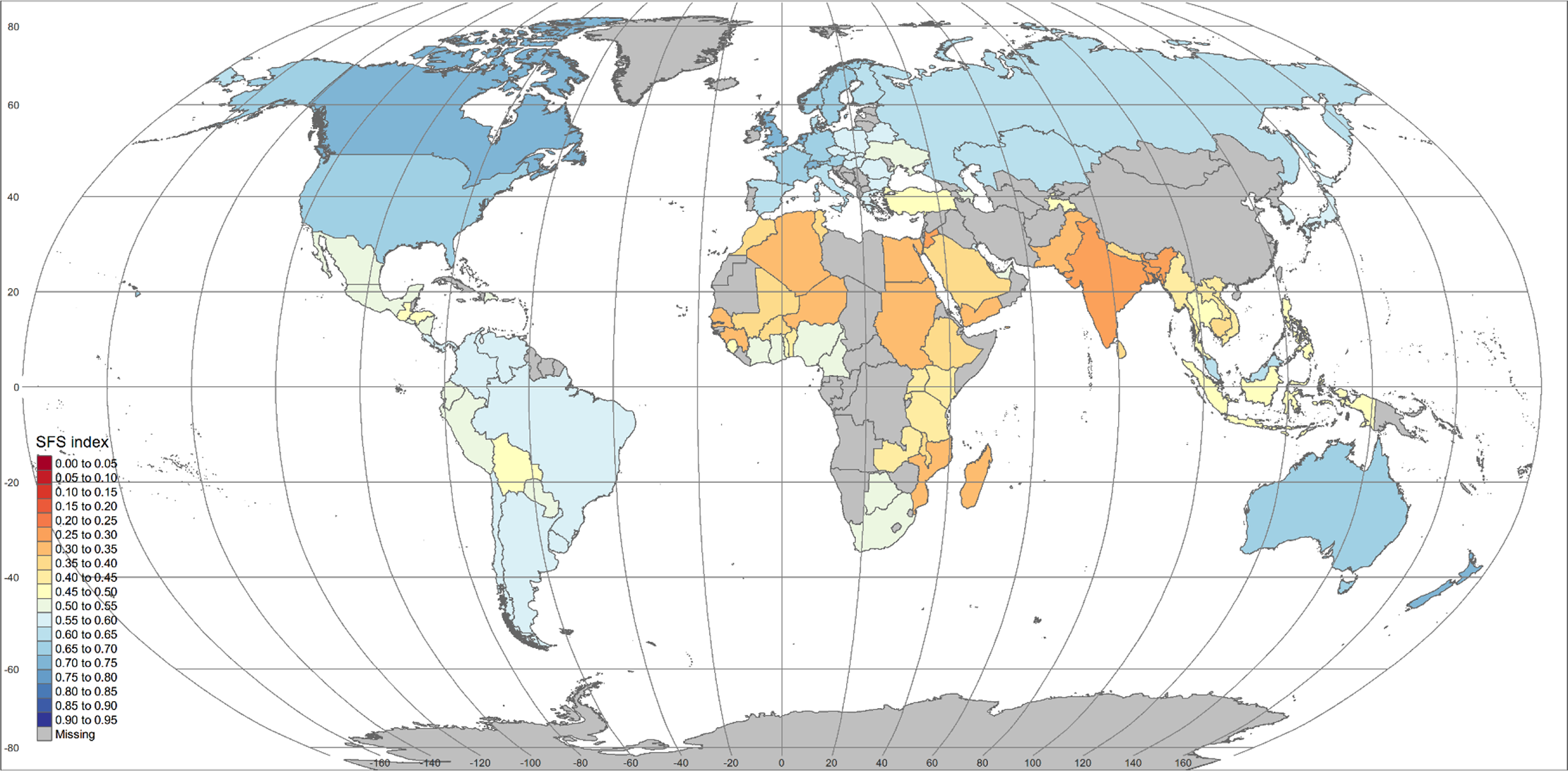
The locally grown effort was always fine for people fortunate enough to be born into agriculturally rich areas but for everyone else it historically meant famine, poor diets, or high costs.

Modern agriculture and free markets changed all that. A new study finds that as the world has increased its standard of living - there are fewer people in poverty than ever in history and it continues to drop fast - it can lead to concern about food system sustainability. As people get wealthier, they move out of rural areas and into cities, but as we have seen during the SARS-CoV2 panic, when 2 percent of people provide all of the food there is less food system stability. Unless there is a large free trade market.
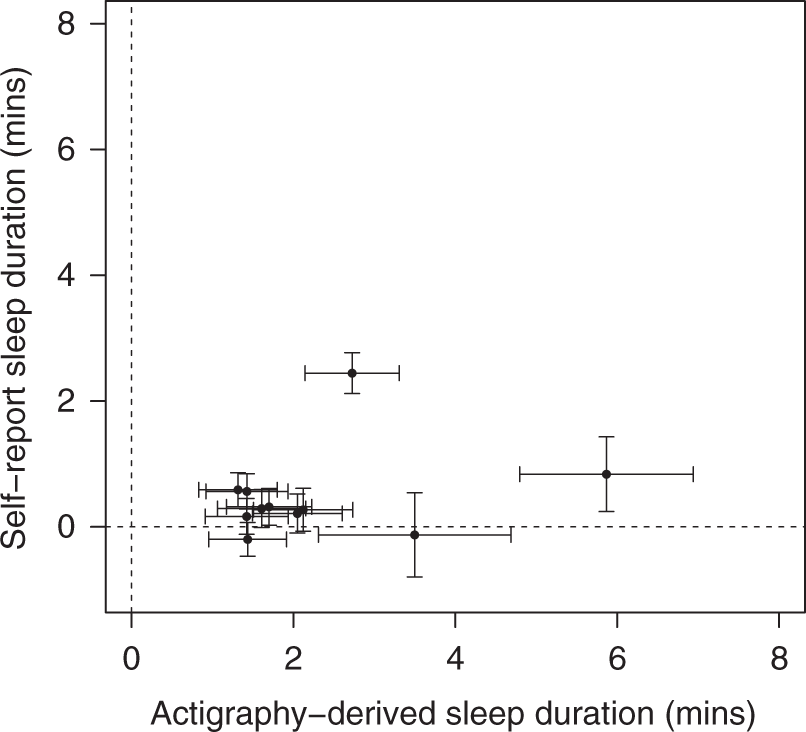
A new paper suggests 47 links between our genetic code and the quality, quantity and timing of our sleep.

The correlation was created using 85,670 participants of UK Biobank and 5,819 individuals from three other studies, who wore accelerometers (e.g. Fitbit) which recorded activity levels continuously. They wore the accelerometers continuously for seven days which provides more accuracy than people who write how well they slept diaries.
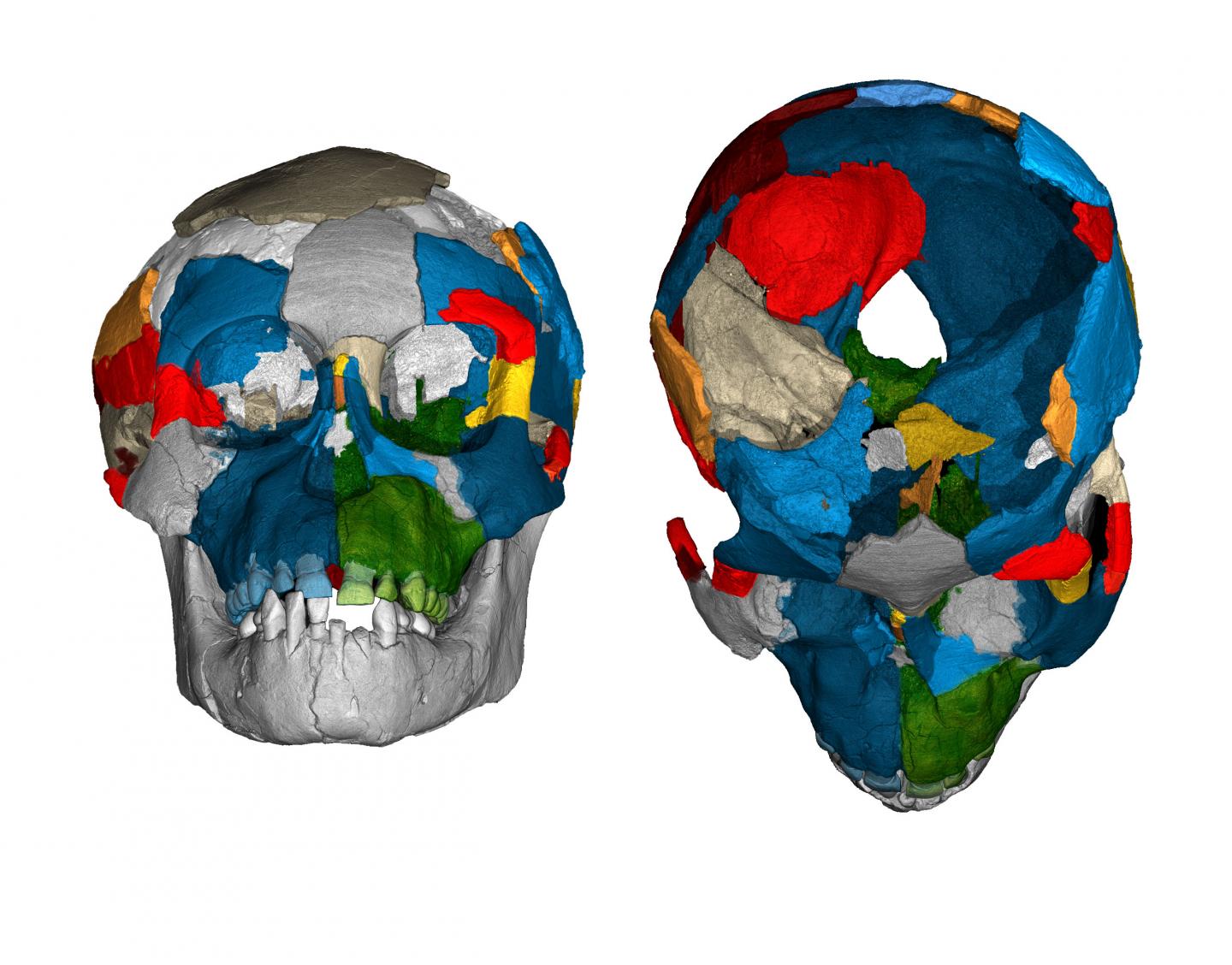
Brain volume changes during evolution have shown how modern human brains diverged from the brains of our closest primate cousin, the chimpanzee, and a new study takes that a step further.

CT-scans of three-million-year old brain imprints inside fossil skulls of the species Australopithecus afarensis (famous for "Lucy" and "Selam" from Ethiopia's Afar region) reveals that while Lucy's species had an ape-like brain structure, the brain took longer to reach adult size, suggesting that infants may have had a longer dependence on caregivers, a human-like trait.
Patients with hypertension, heart failure, and chronic kidney disease are at increased risk of severe coronavirus disease 2019 (COVID-19), caused by the SARS-CoV-2 virus that originated in Wuhan, China.

Now the debate is clinical use of angiotensin-converting enzyme inhibitors (ACEIs) and angiotensin receptor blockers (ARBs) in patients during the COVID-19 outbreak.
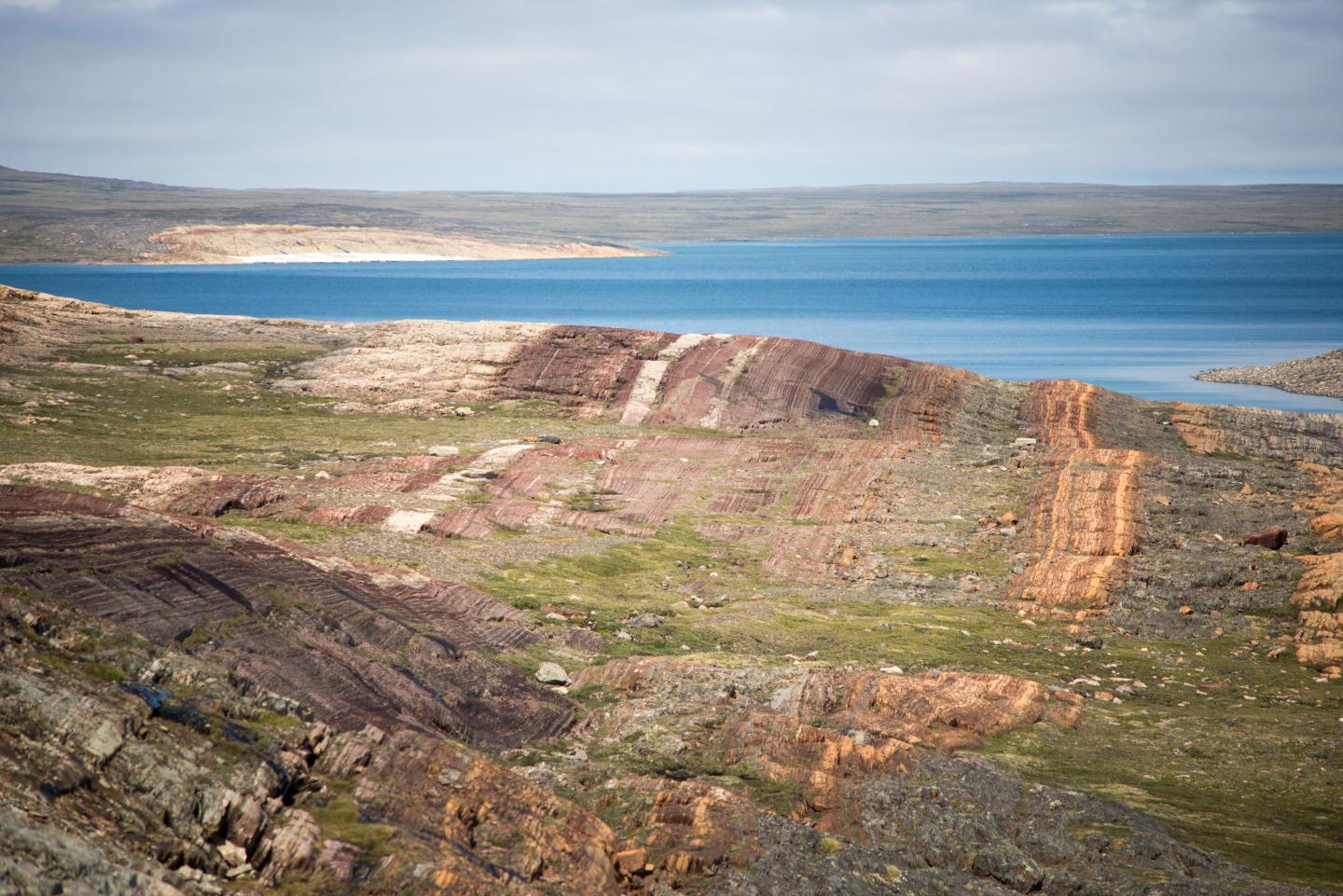
Billions of years ago, an extinction occurred that dwarfed the event that wiped out the dinosaurs 65 million years ago. Its history is written in Canadian rocks and show Earth lost nearly 75 percent of its plant and animal species.

But it had a benefit for us. The die-off of microorganisms that shaped the Earth's atmosphere paved the way for larger animals to thrive.

Given the current coronavirus pandemic, the third of the last 17 years, not to mention annual flu and the other infectious diseases we face, it may seem that microbes are unstoppable, but even when biology on Earth was comprised entirely of microbes, they still had enormous die-off events.

How to detect life before complex life even existed