Banner
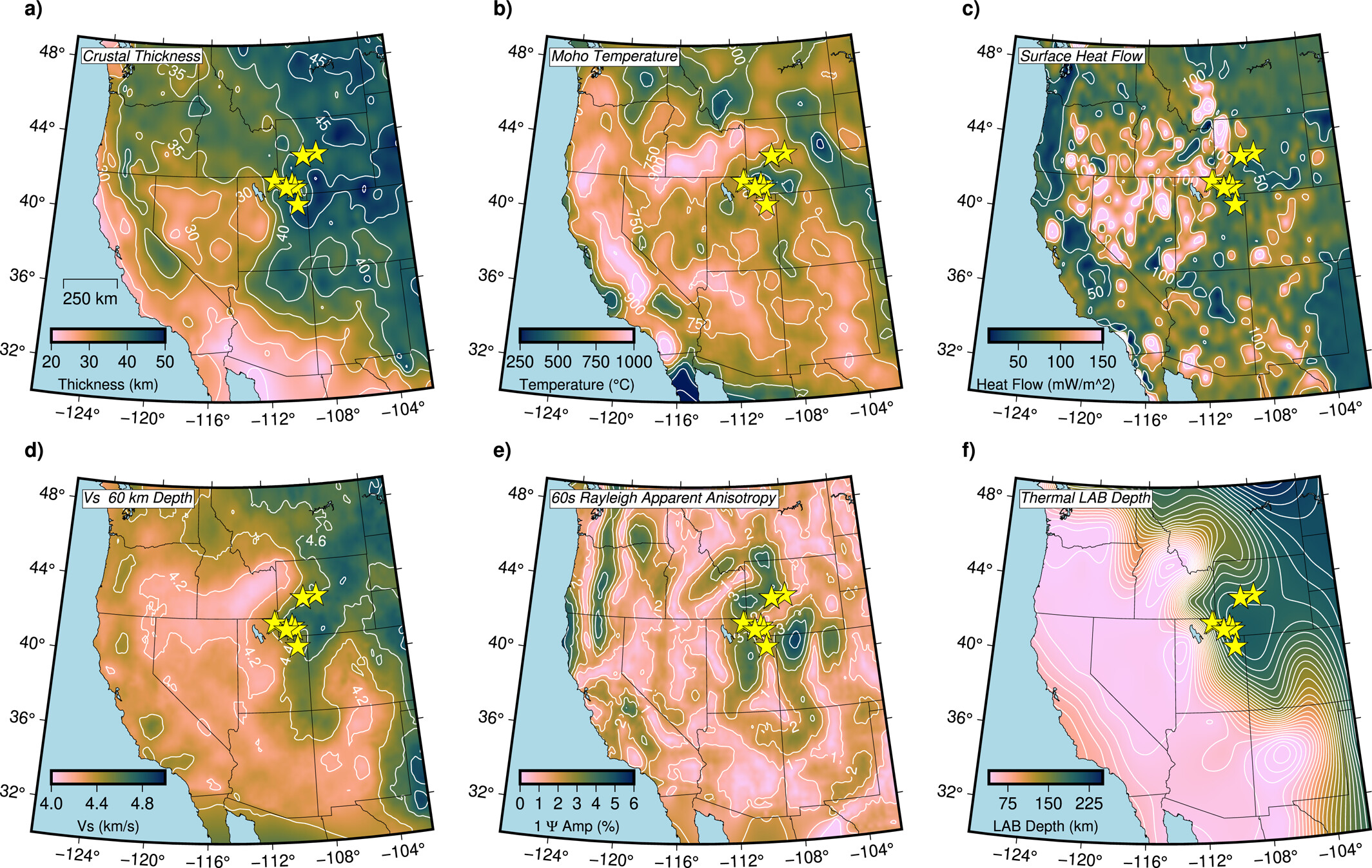
You Didn't Feel Continental Mantle Earthquakes, But They Happened. A Lot

A 1979 seismic event was a different kind of earthquake, and it is has intrigued scientists ever...
How To Overcome Leadership Battles

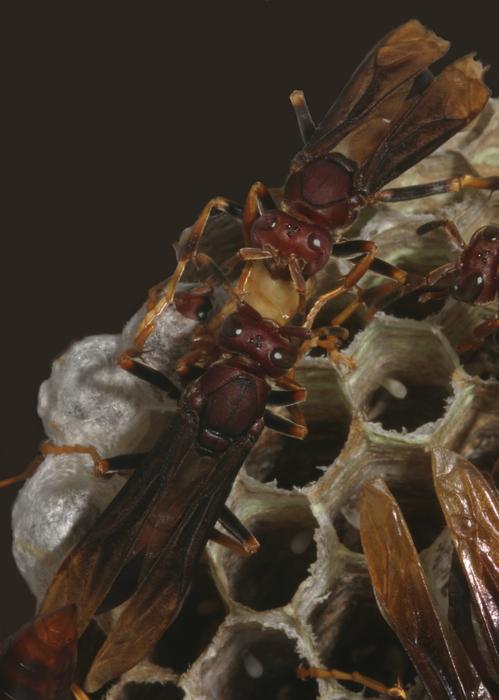
In times of social rancor and strife, most will fight each other, but societies are saved by those...
Thousands Of Unpublished Studies Show Why Conservation Efforts Miss The Mark

Europe alone has so much unpublished, un-catalogued biological data that it is challenging to take...

Why Antarctic Sea Ice Stopped Growing In 2015

Though numerical models and popular films like An Inconvenient Truth projected Arctic ice...

User picture.
News StaffRSS Feed of this column.

News Releases From All Over The World, Right To You... Read More »

Blogroll
There is a rare condition in humans and other vertebrates where they genetically belong to one sex but also have characteristics of the other.

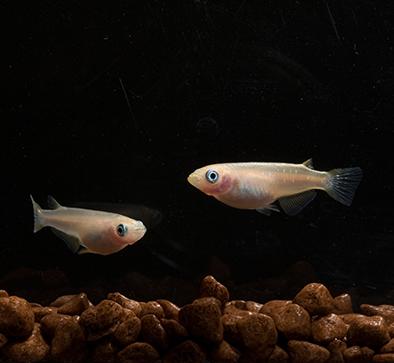
Decades ago, scientists found that Oryzias latipes (Japanese rice fish, also called medaka) often undergo sex reversal in the wild and new exploratory research may lead to insight in humans.

In medaka fish. sex reversal involves genetically female larvae (meaning they have two X chromosomes) going on to develop male characteristics, or vice versa. Scientists had already discovered that environmental factors, such as temperature changes in the brackish and fresh waters where medaka fish live, are likely involved in their sex reversal.
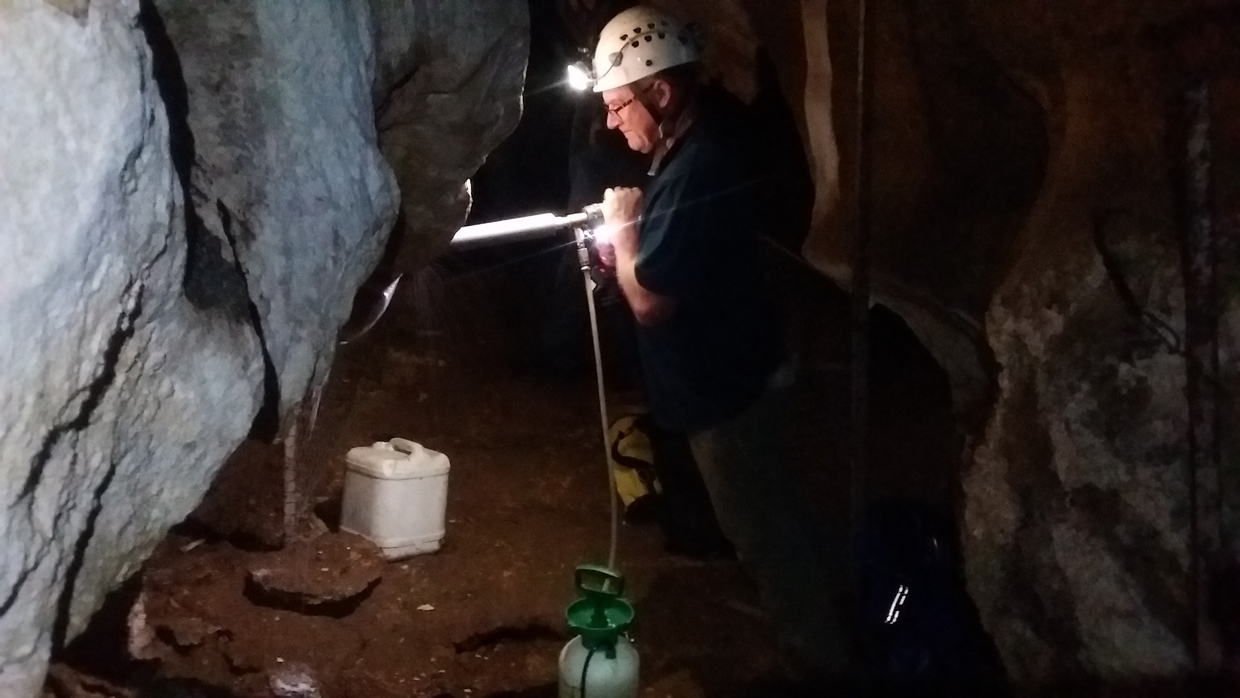
Because Australia was discovered late by Europeans it is considered an old continent with little geological activity, but a new study reveals that its mountains are still growing. Some parts of the Eastern Highlands of Victoria, including popular skiing destinations such as Mt Baw Baw and Mt Buller, may be as young as 5 million years, not the 90 million years thought by many.

The findings result from speleothems - stalagmites, stalactites, and flowstones - in the Buchan Caves.
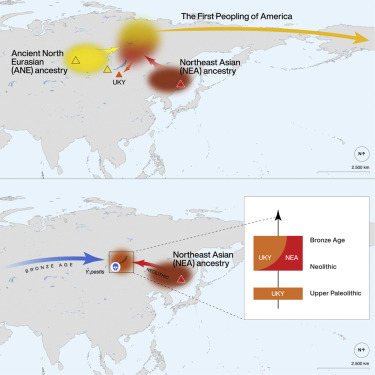
 Isotope analysis, ancient pathogen genomics, plus a dash of human population genetics have revealed the deeper connection to date between the early peoples of Siberia and the Americas. 

During the Early Bronze Age, people were expanding. 
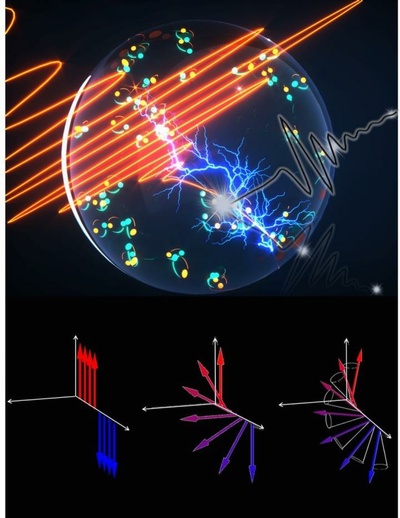
Using light waves to accelerate supercurrents can discern forbidden light the quantum world, where the conventional laws of physics are already forbidden.

Supercurrents are scientifically strange. At super cold temperatures, they can give us electricity that moves through materials without resistance and use of light pulses at terahertz frequencies- trillions of pulses per second - to accelerate electron pairs, known as Cooper pairs, within supercurrents, led scientists to "second harmonic light emissions," or light at twice the frequency of the incoming light used to accelerate electrons.
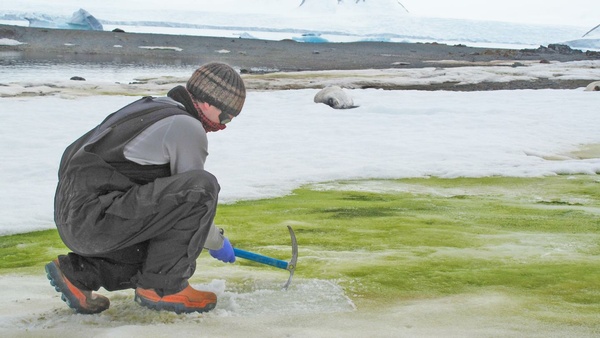
Satellite data with on-the-ground observations over two summers in Antarctica to detect and measure the green snow algae have led a group of scientists to suggest that if the world warms, larger fields of bright green snow could be seen from space as it spreads.

Antarctica is the world's southernmost continent, typically known as a frozen land of snow and ice. But terrestrial life can be abundant, particularly along its coastline. Although each individual alga is microscopic in size, when they grow en masse they turn the snow bright green.
Some menopausal women experience night sweats and hot flashes. Hormone replacement therapy is the standard of care for menopausal patients, but not all women are good candidates for it and then some simply don't trust science and medicine; they buy organic food, worry about cellphone radiation, and have read Facebook posts claiming hormone replacement therapy puts them at increased risk for breast cancer and cardiovascular disease.

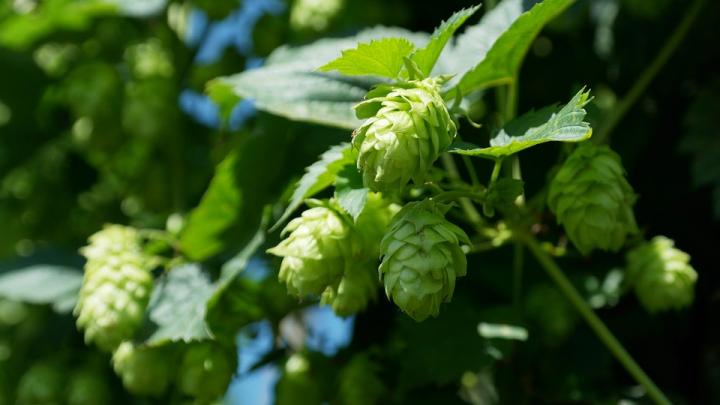
Hops are labeled a natural alternative to medicine because they contain phytoestrogens. Phytoestrogens are plant-based compounds that mimic the action of female sex hormones, whose deficiency is considered to be the root of symptoms often felt by women in menopause.