
Banner
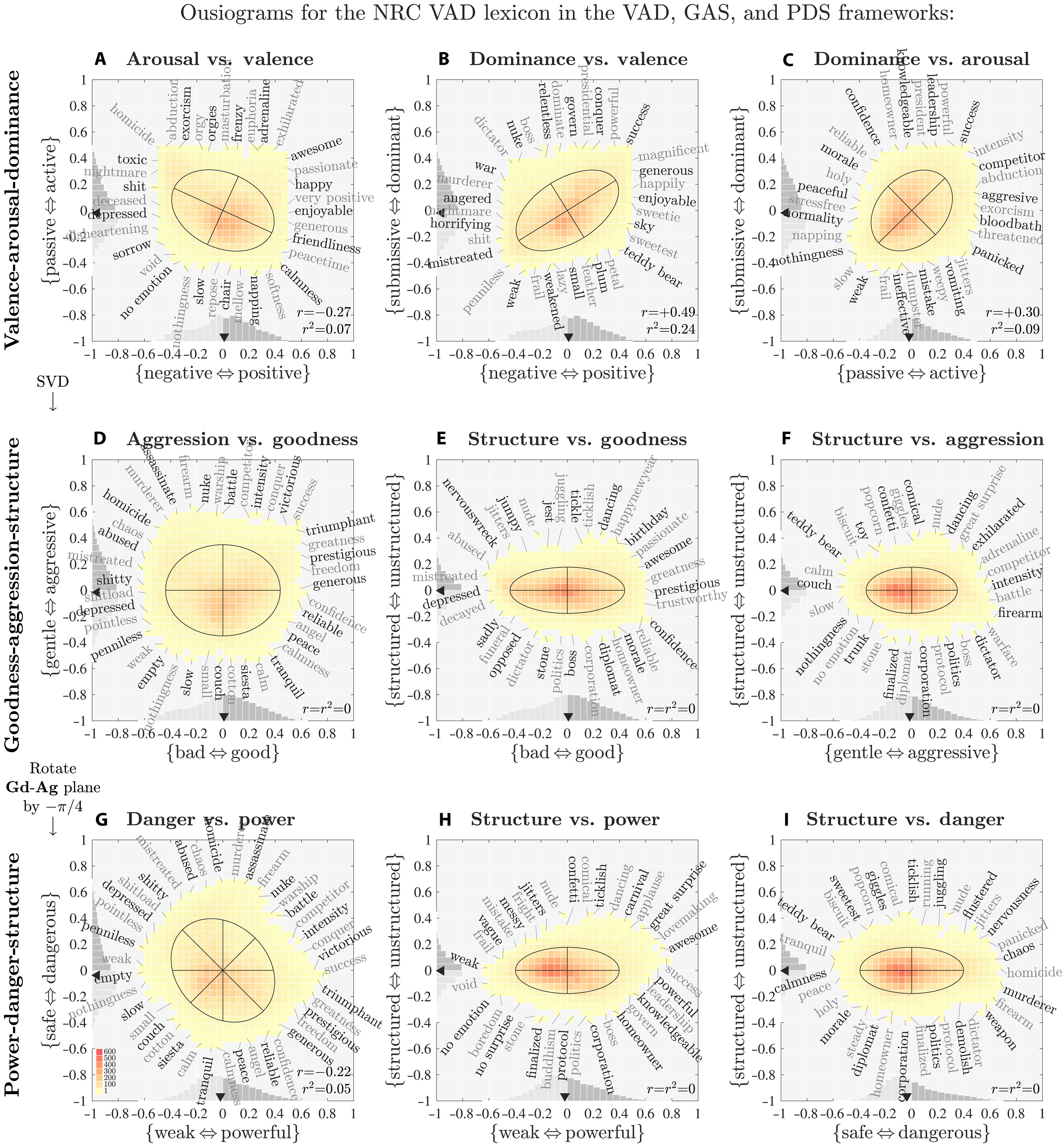
Ousiometrics Analysis Says All Human Language Is Biased

A new tool drawing on billions of uses of more than 20,000 words and diverse real-world texts claims...
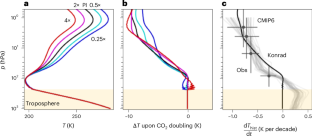
Wavelengths Of Light Are Why CO2 Cools The Upper Atmosphere But Warms Earth

There are concerns about projected warming on the Earth’s surface and in the lower atmosphere...

Here's Where Your Backyard Was 300 Million Years Ago

We may use terms like "grounded" and terra firma to mean stability and consistency but geology...

Convergent Evolution Cheat Sheet Now 120 Million Years Old

One tenet of natural selection is a random walk of genes but nature may be more predictable than...

User picture.
News StaffRSS Feed of this column.

News Releases From All Over The World, Right To You... Read More »

Blogroll

Listeria is a rod-shaped bacterium highly prevalent in the environment and generally not a threat to human health. One species however, Listeria monocytogenes, can cause listeriosis, a very dangerous disease. This pathogen can be present in raw milk and soft cheeses, smoked fish, raw meat and ready-to-eat products. In Austria, health care providers are required to report all cases of listeriosis, which can be fatal particularly for patients with weakened immune systems. In 2009 and 2010, a dairy in Hartberg (Styria, Austria) produced Quargel cheese contaminated with Listeria monocytogenes leading to a multinational listeriosis outbreak in Austria, Germany and the Czech Republic, ultimately forcing the dairy to shut down.

TORONTO, ON — A joint study by researchers at the University of California San Diego and the University of Toronto has found that a computer system spots real or faked expressions of pain more accurately than people can. The work, titled "Automatic Decoding of Deceptive Pain Expressions," is published in the latest issue of Current Biology.

"The computer system managed to detect distinctive dynamic features of facial expressions that people missed," said Marian Bartlett, research professor at UC San Diego's Institute for Neural Computation and lead author of the study. "Human observers just aren't very good at telling real from faked expressions of pain."

This news release is available in German.

Scientists of the KIT and the University of Kiev have produced an antibiotic, whose biological activity can be controlled with light. Thanks to the robust diarylethene photoswitch, the antimicrobial effect of the peptide mimetic can be applied in a spatially and temporally specific manner. This might open up new options for the treatment of local infections, as side effects are reduced. The researchers present their photoactivable antibiotic with the new photomodule in a "Very Important Paper" of the journal "Angewandte Chemie".

Every dark cloud has a silver lining and the silver lining for a thawing permafrost is...still a dark cloud.

The climate is warming in the Arctic at twice the rate of the rest of the globe. That has led to a longer growing season and increased plant growth, which captures atmospheric carbon - that is good - but it is thawing the permafrost, which releases carbon into the atmosphere. Permafrost contains three to seven times the amount of carbon sequestered in tropical forests. A thawing permafrost which will result in the release of carbon dioxide and methane into the atmosphere creating feedbacks to climate change – more warming and greater permafrost thaw.  

(SACRAMENTO, Calif.) — Researchers at UC Davis have found that the investigational cancer vaccine tecemotide, when administered with the chemotherapeutic cisplatin, boosted immune response and reduced the number of tumors in mice with lung cancer. The study also found that radiation treatments did not significantly impair the immune response. The paper was published on March 10 in the journal Cancer Immunology Research, an American Association for Cancer Research (AACR) publication.

Washington, DC (March 13, 2014) — A fatty fold of tissue within the abdomen that is a rich source of stem cells can help heal diseased kidneys when fused to the organs, according to a study conducted in rats. The findings, which appear in an upcoming issue of the Journal of the American Society of Nephrology (JASN), suggest that stem cells from within a chronic kidney disease patient's own abdomen could be used to preserve and possibly improve kidney function.

