
Banner
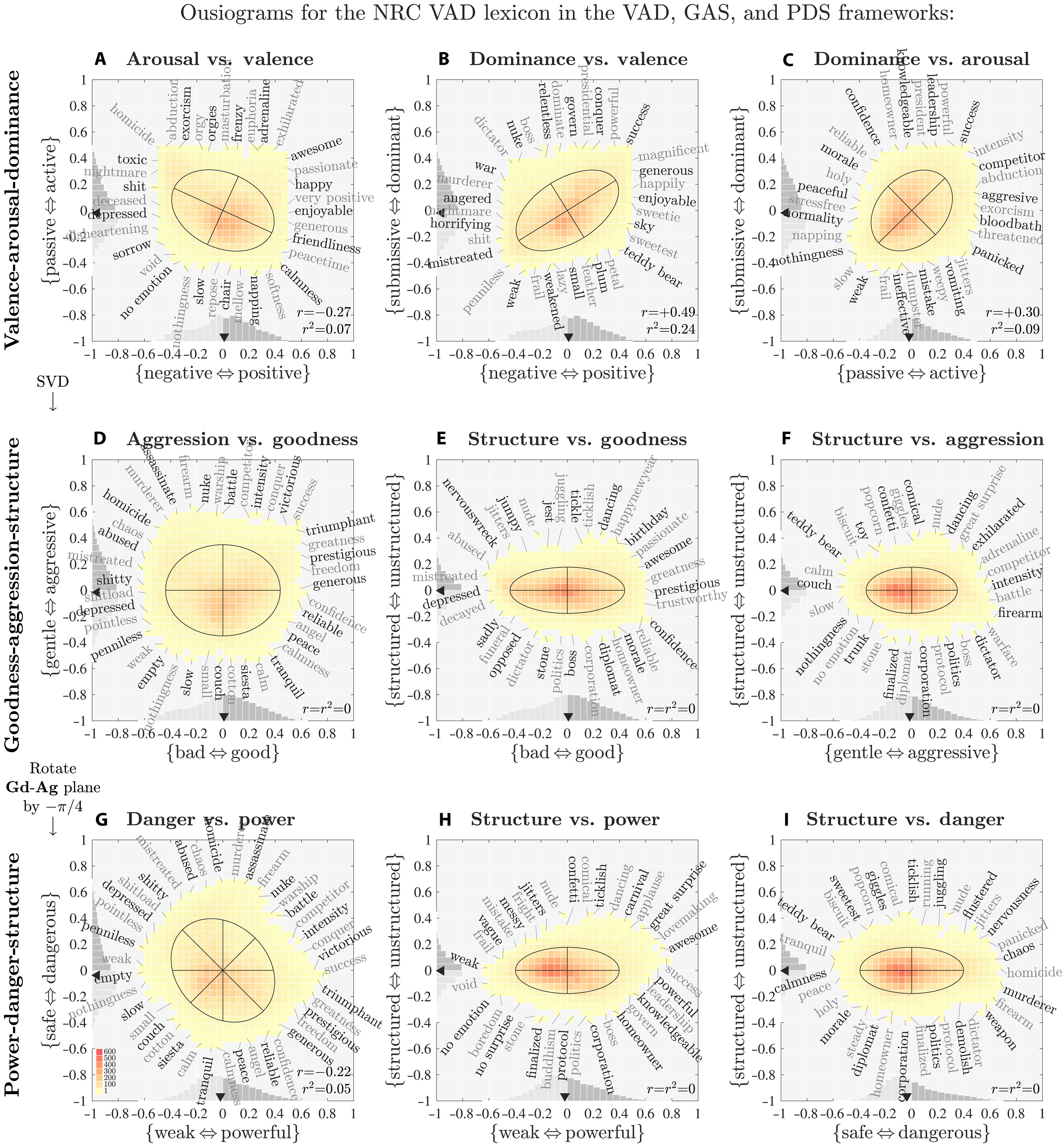
Ousiometrics Analysis Says All Human Language Is Biased

A new tool drawing on billions of uses of more than 20,000 words and diverse real-world texts claims...

Wavelengths Of Light Are Why CO2 Cools The Upper Atmosphere But Warms Earth

There are concerns about projected warming on the Earth’s surface and in the lower atmosphere...

Here's Where Your Backyard Was 300 Million Years Ago

We may use terms like "grounded" and terra firma to mean stability and consistency but geology...

Convergent Evolution Cheat Sheet Now 120 Million Years Old

One tenet of natural selection is a random walk of genes but nature may be more predictable than...

User picture.
News StaffRSS Feed of this column.

News Releases From All Over The World, Right To You... Read More »

Blogroll

An analysis of thyroid hormones from urine samples of zoo-living chimpanzees and bonobos has led anthropologists to conclude that hormone levels may be why chimpanzees and bonobos share similar starting conditions at birth but develop different behavioral patterns later in life.

The researchers from the Max Planck Institute for Evolutionary Anthropology in Leipzig and the Royal Zoological Society of Antwerp discovered that bonobos retain elevated thyroid hormone concentrations well into adulthood, whereas in humans and chimpanzees thyroid hormone concentrations decline after puberty.

The late decline of thyroid hormones in bonobos might have consequences on their behavior and might also indicate a delayed development of their mental capacities.

A new technique will significantly decrease pain for children following high-risk urology surgeries, according to a paper in the Journal of Pediatric Urology.

The research team evaluated continuous infusion of local anesthesia using the ON-Q pain relief system to improve pain control in children undergoing urological procedures. While the ON-Q system is well-established as an effective pain management technique for adults, this is the first study that evaluates its pain management effectiveness in children.

Almost every study of food production over the last decade has claimed it has implications for global warming, but in reality the resources required to grow food and raise livestock and grains vary dramatically depending on the animal, the type of food it provides, the kind of feed it consumes and where it lives.

It's not well known but astronomers actually cannot see what our Galaxy, the Milky Way, really looks like. We are on the inside looking out so scientists instead deduce its shape by observation of its stars and their distances from us. 

In the 1950s, astronomers used radio telescopes to map our Galaxy. Their observations focused on clouds of gas in the Milky Way in which new stars are born, revealing four major arms. More recently, NASA's Spitzer Space Telescope scoured the Galaxy for infrared light emitted by stars but in 2008 it was announced that Spitzer imaging had found about 110 million stars, yet only evidence of two spirals. Did the Milky Way have missing arms? Were they ever there?

Consumers who buy organic products do not want synthetic fertilizers, herbicides, pesticides, microbials or antioxidants in their food - they only want natural carcinogens - but that is a recipe for disaster and a key reason why so many foodborne outbreaks are related to organic products.

Recently, scientists have begun to make precise genetic modifications to genes in order to move a beneficial effect of one plant to another. This is not without controversy but far superior to prior methods of optimizing plant biology.

The most random thing that can happen is letting natural radioactivity within DNA alter chemical compounds, providing a new pathway for genetic mutation.





