Banner
Ousiometrics Analysis Says All Human Language Is Biased

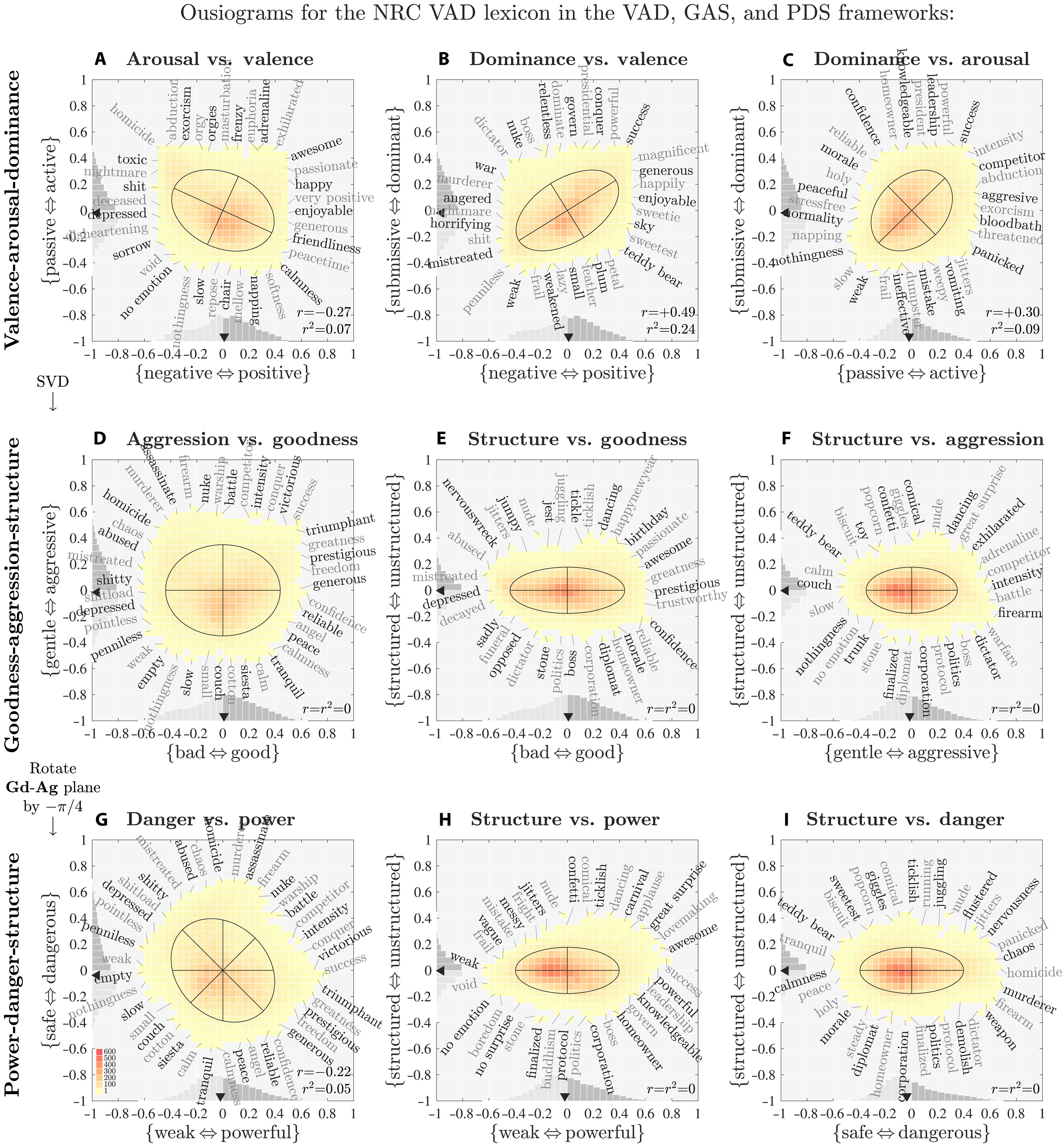
A new tool drawing on billions of uses of more than 20,000 words and diverse real-world texts claims...
Wavelengths Of Light Are Why CO2 Cools The Upper Atmosphere But Warms Earth

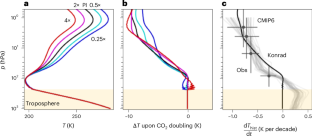
There are concerns about projected warming on the Earth’s surface and in the lower atmosphere...

Here's Where Your Backyard Was 300 Million Years Ago

We may use terms like "grounded" and terra firma to mean stability and consistency but geology...

Convergent Evolution Cheat Sheet Now 120 Million Years Old

One tenet of natural selection is a random walk of genes but nature may be more predictable than...

User picture.
News StaffRSS Feed of this column.

News Releases From All Over The World, Right To You... Read More »

Blogroll

The mountain pine beetle is killing lodgepole pine and jack pine forests in the Western United States, British Columbia, the Northwest Territories, Alberta and could spread east to the Maritimes.

Yes, beetles are natural, but before you start waving Sierra Club brochures and yelling about scary science, keep in mind that nature is out to kill us all. She is, basically, a real bitch.

Researchers have been investigating pheromones emitted by the pest in North America's lodgepole and jack pine forests and tree chemical compounds that play critical roles in the beetle's pheromone production and attraction in both their established lodgepole pine host and in the newer jack pine host.

The idea is to produce scientific bait.

Whistling kettles have been around for over a hundred years but science behind the mechanism of this siren sound, portent of delicious tea and cocoa (and heretical instant coffee) has never been fully described scientifically.

Ask an engineer or a physicist and you just get some hand-waving about the vibrations made by the build-up of steam escaping through two metal spout plates - everybody knows that, we whistle with our mouths too.

In the many well-funded marketing claims of homeopaths and 'alternative' medicine claims, including a US government program that spends $120 million a year legitimizing treatments that don't work, what can easily get lost is data about what natural treatments do work.

The human brain is tricky but animal models at least provide some initial guidance. A new study presented  at Neuroscience 2013 found that enhanced extracts of spearmint and rosemary improved learning and memory.  The novel antioxidant-based ingredient was made from spearmint extract and two different doses of a similar antioxidant made from rosemary extract on mice that have age-related cognitive decline. 

An automated system,  the Child Health Improvement through Computer Automation system (CHICA), helps pediatricians focus on the specific health needs of each patient in the short time allotted for preventive care and improves autism screening rates by identifying at-risk children at the 24-month visit., according to a new paper.

Nationwide children typically are not diagnosed with autism until age 4½ or 5 years. 
Approximately 1 in 88 children has been identified with an autism spectrum disorder, according to estimates from the CDC's Autism and Developmental Disabilities Monitoring Network. Once an autism diagnosis is made, it is easier for a family to obtain needed services, including early intervention to gain developmental skills.

Can you have a real climate treaty when the world's largest polluter says it is a developing nation and can't be bound by emissions obligations? 

Add in India and Mexico as exemptions and there is a reason why CO2 emissions have continued to climb while the US and western nations have jeopardized their economies to reduce them; the emissions have come with either a high replacement cost or the manufacturing has just been outsourced to countries that have no obligation to reduce CO2.

Optimization is dwindling and estimates can only accomplish so much so the so-called Durban Platform scenarios seek to reach a global climate agreement by 2015 that would come into effect in 2020.

Wolves likely were likely domesticated by European hunter–gatherers over 18,000 years ago and gradually evolved into dogs, according to a genetic analysis. There is debate over when dogs were domesticated and whether it was linked with the development of agriculture or it occurred much earlier. The new work claims that dogs were domesticated between 18,000 and 32,000 years ago.