
Banner
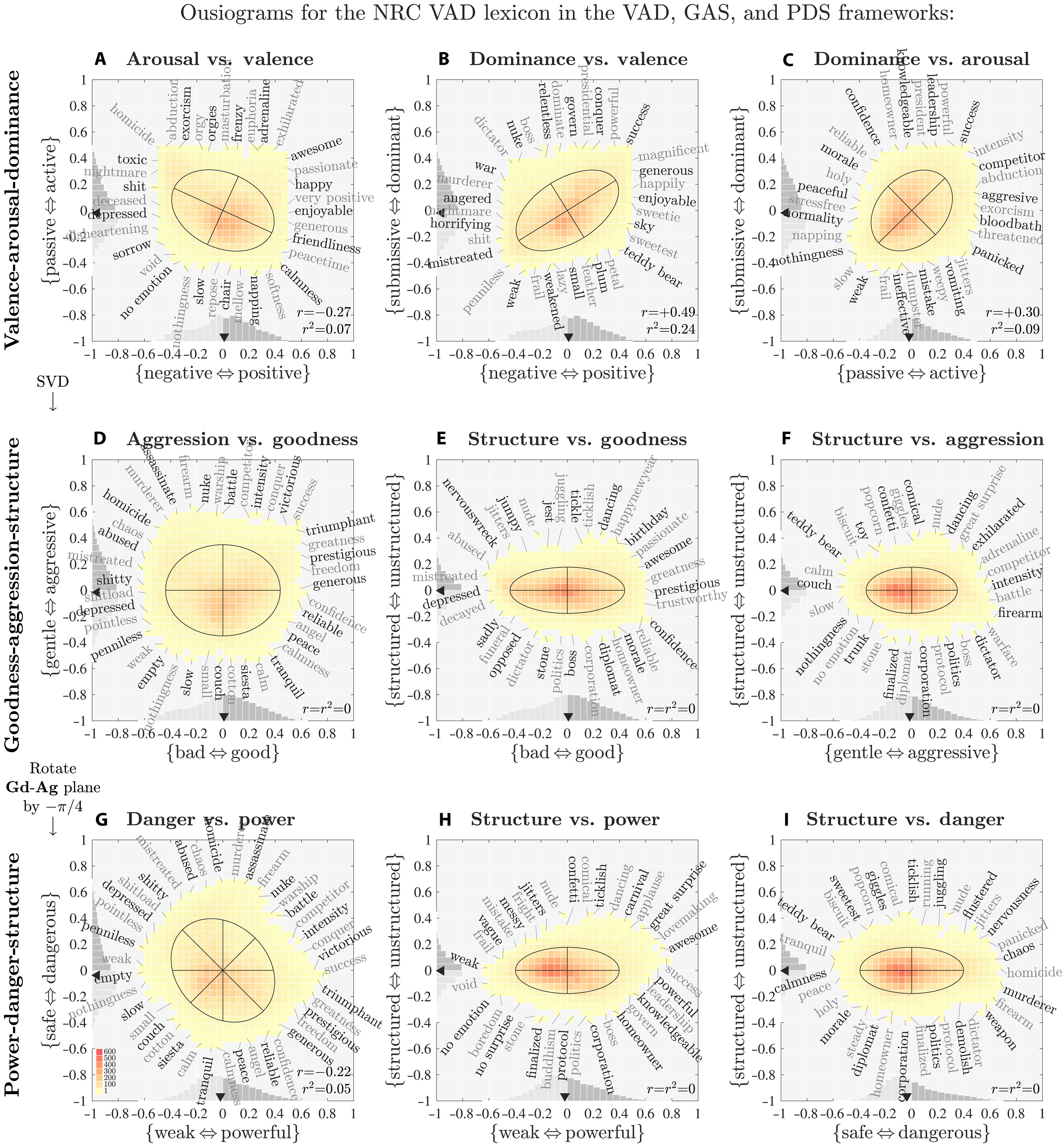
Ousiometrics Analysis Says All Human Language Is Biased

A new tool drawing on billions of uses of more than 20,000 words and diverse real-world texts claims...
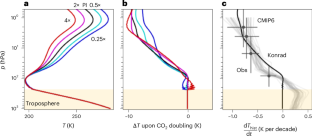
Wavelengths Of Light Are Why CO2 Cools The Upper Atmosphere But Warms Earth

There are concerns about projected warming on the Earth’s surface and in the lower atmosphere...

Here's Where Your Backyard Was 300 Million Years Ago

We may use terms like "grounded" and terra firma to mean stability and consistency but geology...

Convergent Evolution Cheat Sheet Now 120 Million Years Old

One tenet of natural selection is a random walk of genes but nature may be more predictable than...

User picture.
News StaffRSS Feed of this column.

News Releases From All Over The World, Right To You... Read More »

Blogroll
A  team at Ecole Polytechnique Fédérale de Lausanne has won an international artificial intelligence competition by creating software that can play the famous video game "Angry Birds" like a human.

If you have never seen "Angry Birds”, the game’s goal is to crush pigs by catapulting angry birds towards them. It is the most downloaded game of all time on mobile platforms.

Jason Li, postdoctoral researcher at EPFL, together with Mirko Katanic and Arnaud Jutzeler, created a program that is able to reproduce the way humans play this game and it became the “Angry Birds” world champion in August at the Beijing International Joint Conference on Artificial Intelligence (IJCAI).

A 34 centimeter diameter spherical flying robot does things that probably don't make sense to most people.

Occupational, recreational and environmental noise exposure poses a serious public health threat going far beyond hearing damage, according to a new review in The Lancet.

The analysis team examined the latest research on noise's impact on an array of health indicators, including hearing loss, cardiovascular disease, cognitive performance, mental health, and sleep disturbance, in order to inform the medical community and lay public about the burden of both auditory and non-auditory effects of noise. 

Since their invention, antibiotics have made it possible to cure lethal bacterial infections but in recent years the efficacy of antibiotics has been drastically reduced due to overuse and resulting bacterial resistance.

Today, bacteria resistant to nearly all known antibiotics are prevalent in many parts of the world and in Europe alone more than 25,000 people die each year from infections caused by multi-resistant bacteria.

Researchers from
University of Copenhagen and the University of British Columbia

People who live in regions where there is a real change of seasons know that plants go 'dormant' in the winter and then spring to life again as the weather warms.

But a new study found a counter-intuitive effect; instead of a colder winter causing trees to hold off growth for a longer period of time, that happens during a warmer winter, according to an examination of 36 tree and shrub species. The colder the winter, the earlier native plants begin to grow again.

If global warming occurs and we get warmer winters, the spring development phase for typical forest trees might start later and later, which gives an advantage to shrubs and invasive trees that aren't as impacted by the cold.

A new psychology paper has found that, ethically, we get worn down over the course of a day. Our ability to avoid cheating or lying gets significantly reduced, making us more likely to be dishonest in the afternoon than in the morning, according to the authors - a conclusion which also defaults to the idea that we are biologically inclined to be cheat.




