Banner
Synchrotron Could Shed Light On Exotic Dark Photons

There are many hypothetical particles proposed to explain dark matter and one idea to explore how...

The Pain Scale Is Broken But This May Fix It

Chronic pain is reported by over 20 percent of the global population but there is no scientific...
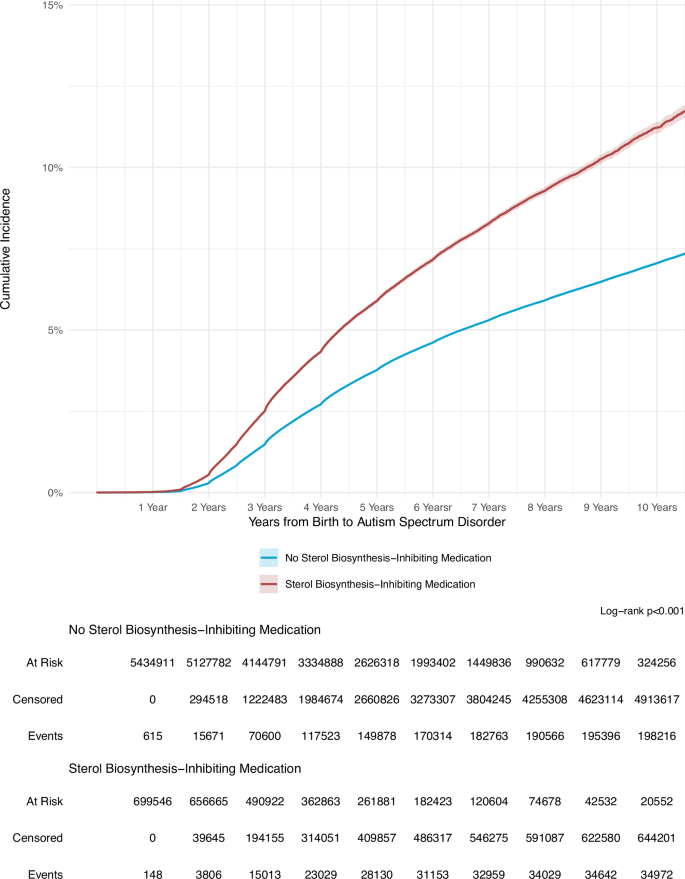
Study Links Antidepressants, Beta-blockers and Statins To Increased Autism Risk

An analysis of 6.14 million maternal-child health records  has linked prescription medications...

Pilot Study: Fibromyalgia Fatigue Improved By TENS Therapy

Fibromyalgia is the term for a poorly-understood condition where people experience pain and fatigue...

User picture.
News StaffRSS Feed of this column.

News Releases From All Over The World, Right To You... Read More »

Blogroll
One odd characteristic of H1N1 influenza A (swine flu) in 2009 is that it seems to hit children much harder than the elderly, an about-face from ordinary flu.   So targeting children may be an effective use of limited supplies of flu vaccine, according to research at the University of Warwick funded by the Wellcome Trust and the EU. The study suggests that, used to support other control measures, this could help control the spread of pandemics such as the current swine flu.
Fluctuating temperatures in Africa have always made reliable agriculture production difficult and global warming could make it even worse.   If local varieties of maize and other food staples are unsuitable, the food security of many Africans will depend on farmers in one country gaining access to climatically suitable varieties now being cultivated in other African nations, and beyond, according to a study published in Global Environmental Change
A new National Institute of Standards and Technology (NIST) assay using a “glow or no glow” technique may soon help the U.S. Department of Homeland Security (DHS) defend the nation against a spectrum of biological weapons that could be used in a terrorist attack.

One very dangerous toxin on the list is ricin, a protein derived from castor beans that is lethal in doses as small as 500 micrograms—about the size of a grain of salt.
People make value judgements about others based on their facial expressions, according to a new study carried out by Spanish and Brazilian researchers. After looking at a face for only 100 milliseconds, we can detect expressions of happiness and surprise faster than those of sadness or fear. Our brains get a first impression of people's overriding social signals after seeing their faces for only 100 milliseconds (0.1 seconds). Whether this impression is correct is another question. An international research group has carried out an in-depth study into how we process emotional expressions, looking at the pattern of cerebral asymmetry in the perception of positive and negative facial signals.
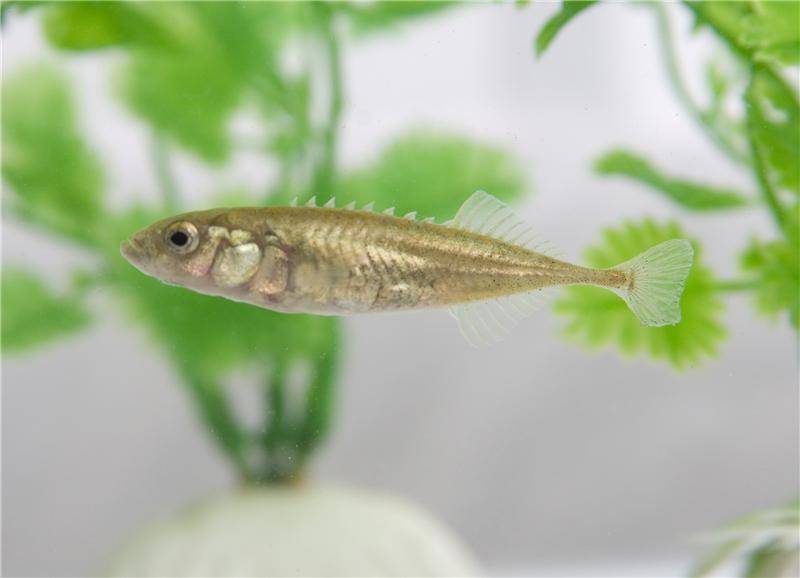
Humans aren't all that close to each other in a modern sense but in one way we may be a little closer than previously realized: the way fish learn could be closer to humans, suggests a new research study.

A common species of fish which is found across Europe called the nine-spined stickleback could be the first animal shown to exhibit an important human 'social learning' strategy.   Sticklebacks can compare the behavior of other sticklebacks with their own experience and make choices that lead to better food supplies, according to the study by St Andrews and Durham universities.

Same-sex behavior has been extensively documented in the non-human animal kingdom, concludes a new review of existing research.

Yep, homosexual behavior is common across species, from worms to frogs to birds - but there's a catch.   Same-sex 'behaviors' are not the same across species and researchers may be calling qualitatively different phenomena by the same name.