In revisiting a chemical reaction that's been in the literature for several decades and adding a new wrinkle of their own, researchers with Berkeley Lab and the University of California (UC) Berkeley have discovered a mild and relatively inexpensive procedure for removing oxygen from biomass. This procedure, if it can be effectively industrialized, could allow many of today's petrochemical products, including plastics, to instead be made from biomass.
"We've found and optimized a selective, one-pot deoxygenation technique based on a formic acid treatment," said Robert Bergman, a co-principal investigator on this project who holds a joint appointment with Berkeley Lab's Chemical Sciences Division and the UC Berkeley Chemistry Department.
Neurological diseases including Parkinson's, Tourette's, attention deficit hyperactivity disorder (ADHD), Alzheimer's, and schizophrenia are all associated with alterations in dopamine-driven function involving the dopamine transporter (DAT). Research published today BMC Neuroscience suggests that a number of estrogens acting through their receptors affect the DAT, which may explain trends in timing of women's susceptibility to these diseases.
University of Louisville neurologist Robert P. Friedland, M.D., questions the safety of eating farmed fish in the June issue of the Journal of Alzheimer's Disease. A legitimate worry about the nation's food supply or a case of an anti-farmed fish agenda?
Friedland and co-authors suggest, despite any evidence or anything outside their own speculation, that farmed fish byproducts rendered from cows, like bone meal, could transmit Creutzfeldt Jakob disease, commonly known as mad cow disease, to humans. Despite the lack of evidence, they are urging government regulators to ban feeding cow meat or bone meal to fish until the safety of this common practice can be confirmed. How can you further prove something is safe that has been in use for decades without issue?
University of Leicester researchers writing in the journal Chemical Research in Toxicology say they have found "convincing evidence" that cannabis smoke damages DNA and it could potentially increase the risk of cancer development in humans.
Using a newly developed highly sensitive liquid chromatography-tandem mass spectrometry method, the University of Leicester scientists say they have found clear indication that cannabis smoke damages DNA under laboratory conditions.
The researchers are Rajinder Singh, Jatinderpal Sandhu, Balvinder Kaur, Tina Juren, William P. Steward, Dan Segerback and Peter B. Farmer from the Cancer Biomarkers and Prevention Group, Department of Cancer Studies and Molecular Medicine and Karolinska Institute, Sweden.
An ancient Ice Age, once regarded as a brief 'blip', in fact lasted for 30 million years according to geologists at the University of Leicester who will discuss their findings during a public lecture at the University on Wednesday June 17.
Their research suggests that during this ancient Ice Age, global warming was curbed through the burial of organic carbon that eventually lead to the formation of oil – including the 'hot shales' of north Africa and Arabia which constitute the world's most productive oil source rock.
This ice age has been named 'the Early Palaeozoic Icehouse' by Dr Alex Page and his colleagues in a paper published as part of a collaborative Deep Time Climate project between the University of Leicester and British Geological Survey.
A new study says Tai Chi can have positive health benefits for musculoskeletal pain. The results of the first comprehensive analysis, conducted by The George Institute for International Health in Australia, suggests Tai Chi produces positive effects for improving pain and disability among arthritis sufferers.


 Synchrotron Could Shed Light On Exotic Dark Photons
 The Pain Scale Is Broken But This May Fix It
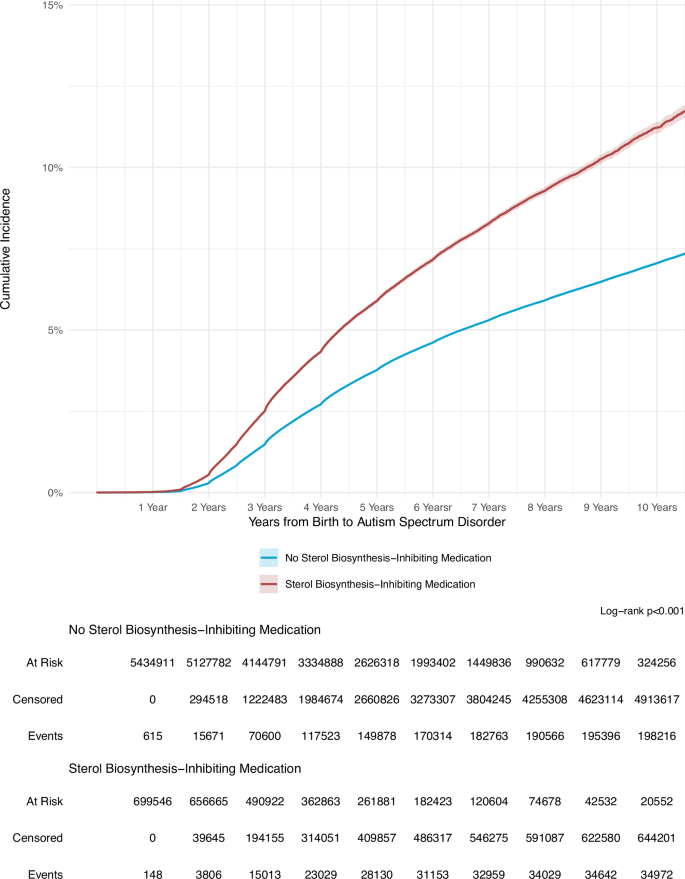 Study Links Antidepressants, Beta-blockers and Statins To Increased Autism Risk
 Pilot Study: Fibromyalgia Fatigue Improved By TENS Therapy