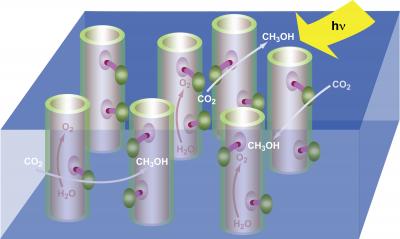
For millions of years, green plants have employed photosynthesis to capture energy from sunlight and convert it into electrochemical energy. A goal of scientists has been to develop an artificial version of photosynthesis that can be used to produce liquid fuels from carbon dioxide and water. Researchers with Lawrence Berkeley National Laboratoryhave now taken a critical step towards this goal with the discovery that nano-sized crystals of cobalt oxide can effectively carry out the critical photosynthetic reaction of splitting water molecules.
Human problems rarely occur in a vacuum, but persist as part of ongoing social interaction in which causes and effects are interwoven. One person's behavior can set the stage for what another does. A new study in the journal Family Process reveals that smoking can promote emotional connection for couples when both partners smoke.
Health-compromising behaviors, such as smoking or weight gain, may sometimes persist because they preserve stability in a vital close relationship.
Humor is a powerful communications tool with potential political implications at various levels of society, as the recent Danish political cartoon representations of Islamic prophet Mohammad and the political repercussions and resulting economic boycotts demonstrated. A new paper by Darren Purcell, Melissa Scott Brown and Mahmut Gokmen looks at humor as an important form of popular culture in the creation of geopolitical worldviews.
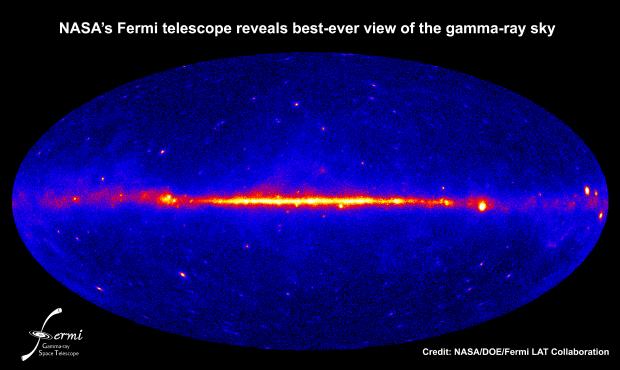
A new map combining nearly three months of data from NASA's Fermi Gamma-ray Space Telescope is giving astronomers an unprecedented look at the high-energy cosmos. To Fermi's "eyes", the universe is ablaze with gamma rays from sources within the solar system to galaxies billions of light-years away.
A paper describing the 205 brightest sources the LAT sees has been submitted to The Astrophysical Journal Supplement. "This is the mission's first major science product, and it's a big step toward producing our first source catalog later this year," said David Thompson, a Fermi deputy project scientist at NASA's Goddard Space Flight Center in Greenbelt, Md.
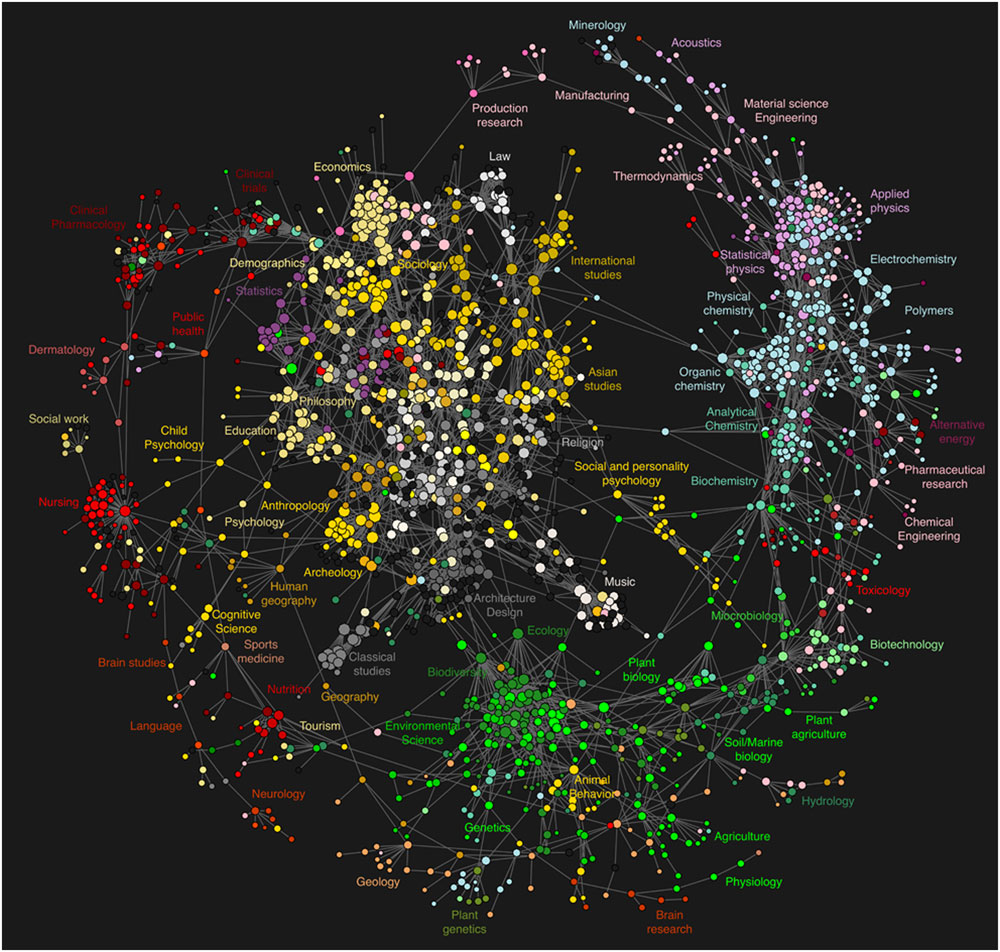
While science is of tremendous societal importance, it is difficult to probe the often hidden world of scientific creativity. Most studies of scientific activity rely on citation data, which takes a while to become available because both the cited publication and the publication of a particular citation can take years to appear. In other words, citation data observes science as it existed years in the past, not the present.
What we need is a Map Of Science.
Enter a group of Los Alamos researchers who created a high-resolution graphic depiction of the virtual trails scientists leave behind when they retrieve information from online services.
The creation of long platinum nanowires at the University of Rochester could soon lead to the development of commercially viable fuel cells.
Described in a paper published today in the journal Nano Letters, the new wires should provide significant increases in both the longevity and efficiency of fuel cells, which have until now been used largely for such exotic purposes as powering spacecraft. Nanowire enhanced fuel cells could power many types of vehicles, helping reduce the use of petroleum fuels for transportation, according to lead author James C. M. Li, professor of mechanical engineering at the University of Rochester.


 Synchrotron Could Shed Light On Exotic Dark Photons
 The Pain Scale Is Broken But This May Fix It
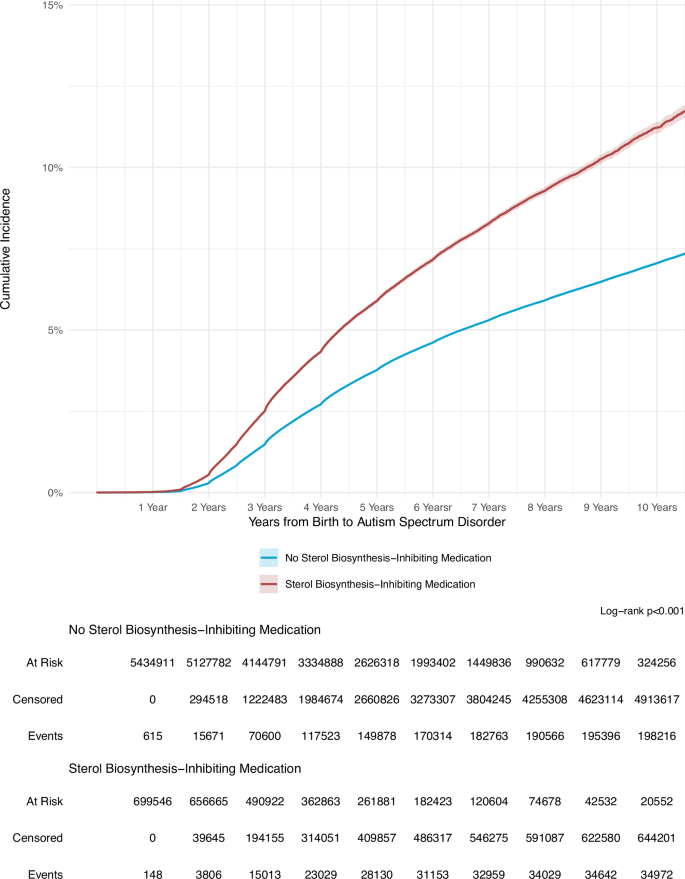 Study Links Antidepressants, Beta-blockers and Statins To Increased Autism Risk
 Pilot Study: Fibromyalgia Fatigue Improved By TENS Therapy