A new paper says teens are not getting enough sleep and a lot of parents with teenage children may disagree. Others reflexively blame phones and tablets.
It isn't a new concern, though. Nor is technology new in getting blame. In 1905, The Lancet published a study saying that kids in British boarding schools were getting less sleep than was healthy, and the reason was the new popularity of affordable lighting. “Late to bed and early to rise is neither physiological nor wise,” the authors wrote.
By the 1950s, the concern was in culture again, this time due to radio and television keeping children up. In all instances, overstimulation, mental health, and poor academic achievement is invoked.
Publicly doctors say all of the things you'd expect a group with heavy state and federal scrutiny to say about weight loss drugs such as Ozempic and Wegovy but privately they say things like 'people will be on it for the rest of their lives.'
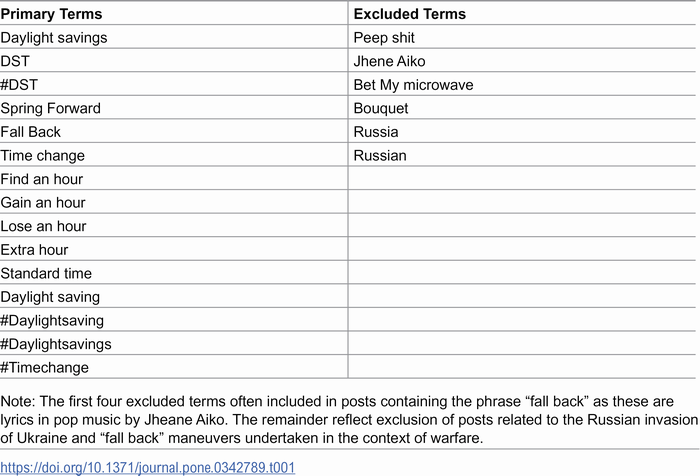
In 1918, with Gen Black Jack Pershing off to France to stop the Germans in World War I, the United States instituted Daylight Saving Time. The public were told it was to save energy sources that would be needed for the war but in June America stopped the Germans cold at the Marne, and then pushed them back toward Germany in July, and by November had ended that war.
Yet Daylight Saving Time remained. It still exists 100 years later despite energy savings claims long being debunked, and it being broadly unpopular. Government routinely says they might change it, but when they do they say they would switch permanently to the one everyone actually hates the most, which is the most government thing you will read today.
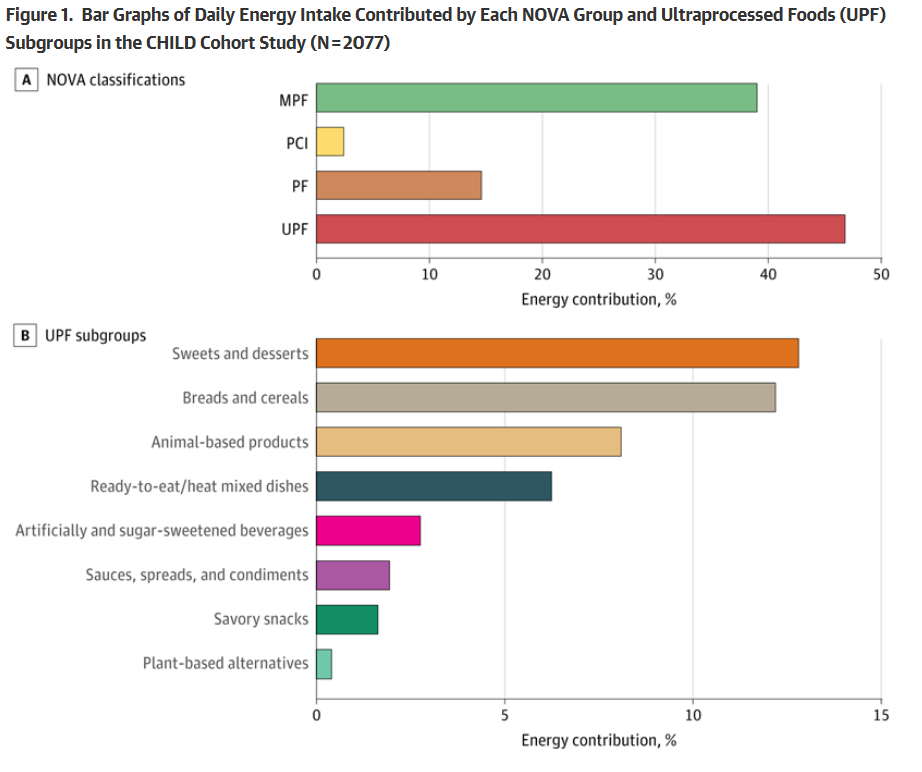
A cohort analysis of preschoolers in Canada has led the authors of the paper to call for bans on so-called "ultraprocessed" foods, charging that it will lead to long-term mental health and well-behaved children.
By this time 26 years ago, the "Dot-Com Bubble" was ready to burst. People who wanted to raise investor money claimed that they could sell anything affordably on a website; three companies were devoted just to pet food and buying ad space on broadcast television.
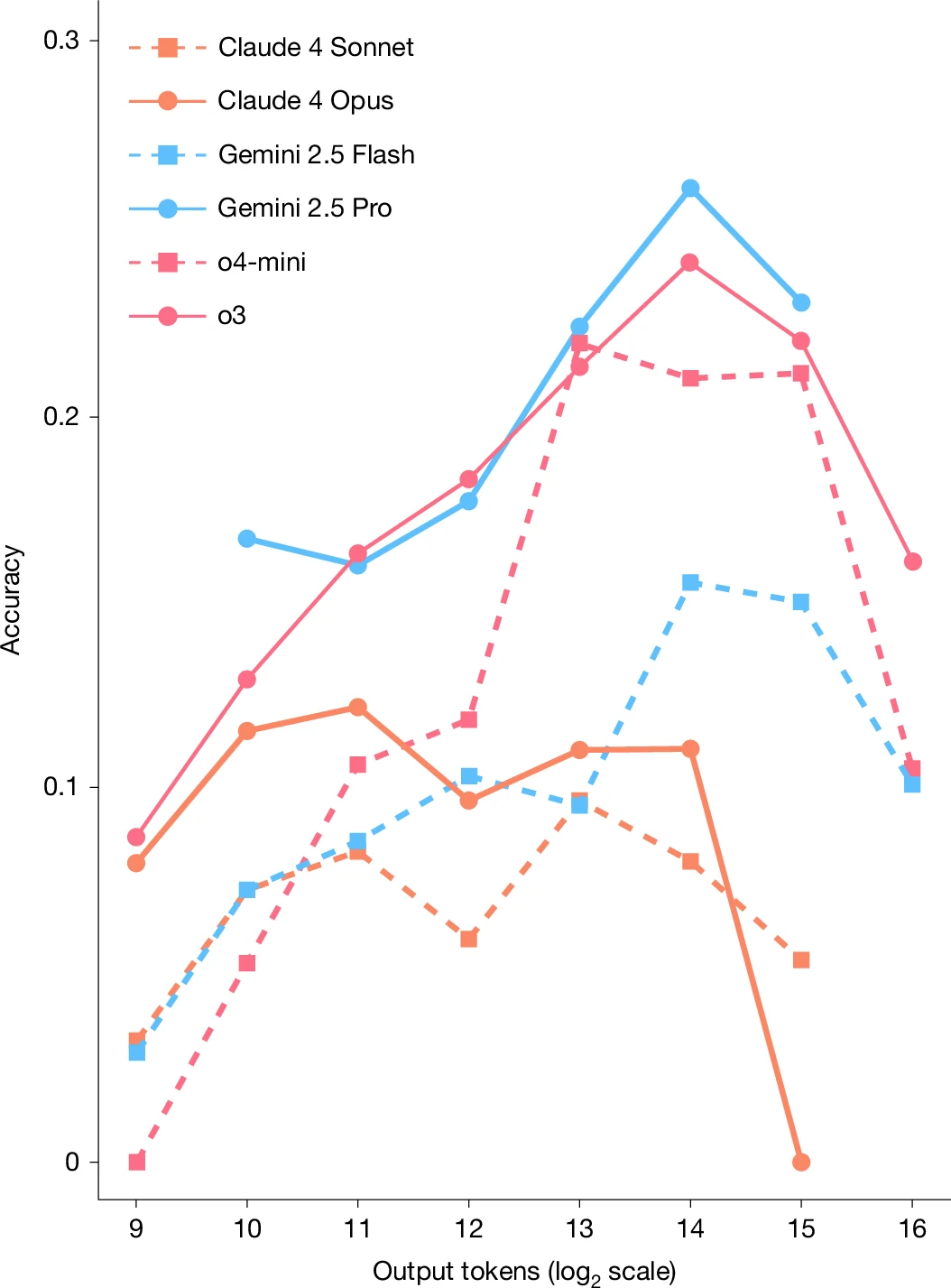
So-called AI is enjoying a similar frenzy. Though they are still just Large Language Models (LLMs), and the best analogy for that is a fancy autocomplete, they are attracting huge levels of financial investment partly because of the potential and then primarily because people want to make money on stocks, not companies.
A new paper says that players where a few superstars get the money leads to less cooperation and poor team performance. The authors say this salary compression is why teams won fewer games.
The authors also suggest that companies should strive for more equity in pay, to increase synchronized effort. Because individual effort by key people isn't enough.
They may have a point. The U.S. Army pays everyone, good or bad, the same, and it is the best in the world. But current military and veterans will laugh if a humanities academic suggests it it more efficient or cooperative because of equal pay. Instead, they will tell the stories of all the people their unit had to carry, because it's not a meritocracy and reductions only happen at promotion tiers.


 Why Raw Dairy Farms In California Accelerated The H5N1 Bird Flu Pandemic
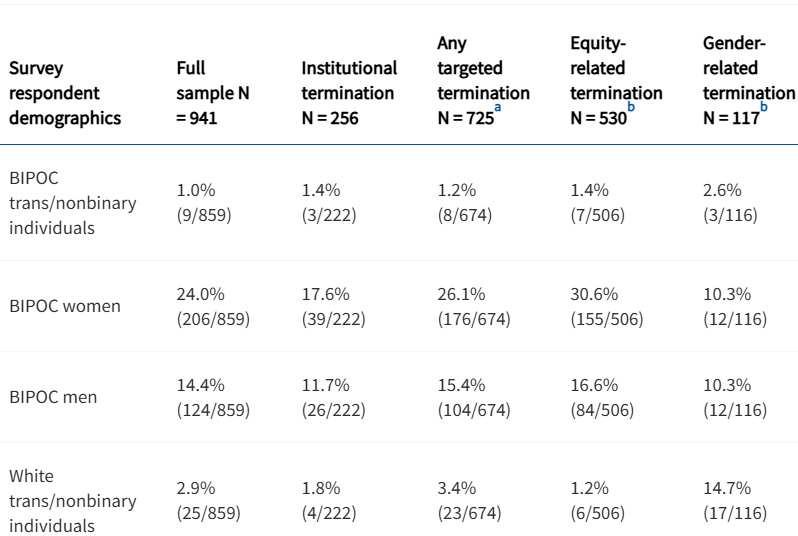 Affirmative Action In NIH Grants Revealed
 Environmentalists, What Are You Asking From Dedmoroz Lenin For Earth Day This Year?
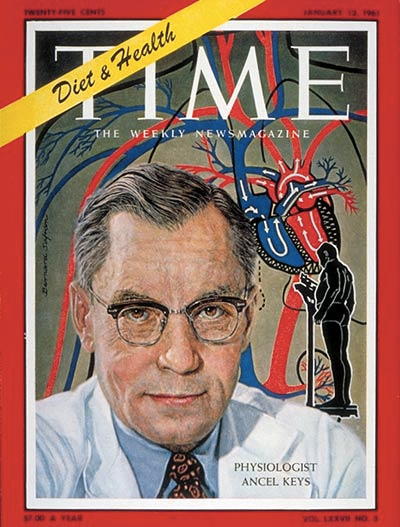 How Ancel Keys Went From MAHA Hero To MAHA Villain