Fake Banner
Why Raw Dairy Farms In California Accelerated The H5N1 Bird Flu Pandemic

Californis is the largest dairy producer in the United States. It is also the most anti-science...
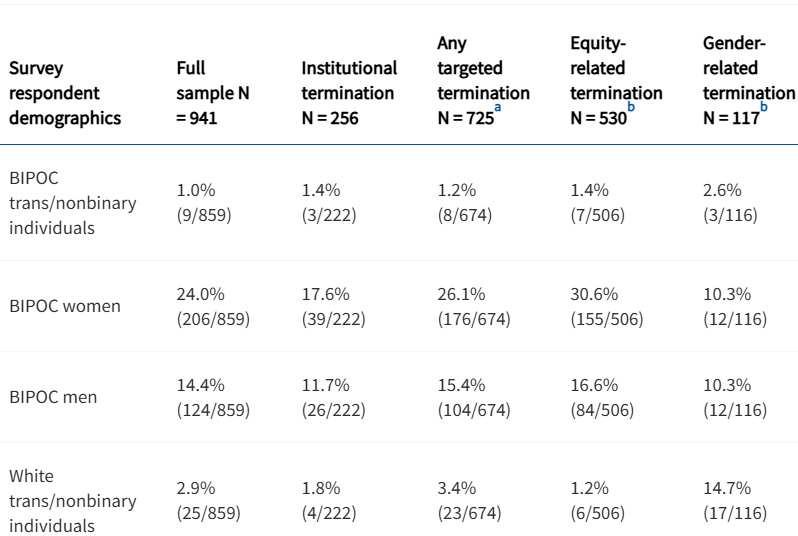
Affirmative Action In NIH Grants Revealed

The Supreme Court recently issued another ruling that seeks to end racial discrimination. most...

Environmentalists, What Are You Asking From Dedmoroz Lenin For Earth Day This Year?

Tomorrow is Earth Day. It is also Lenin's birthday. That's not coincidence. The leader of...
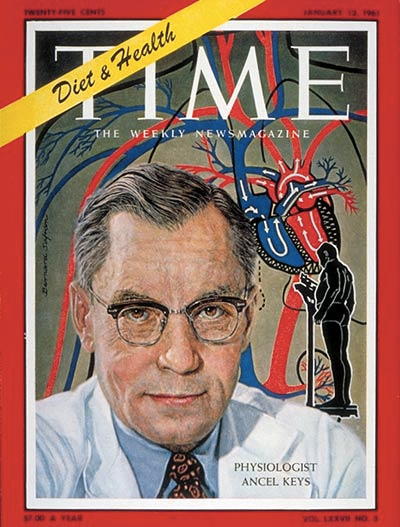
How Ancel Keys Went From MAHA Hero To MAHA Villain

If a lot of the food and health claims you read and hear today seem like things left over from...

User picture.
picture for Tommaso Dorigopicture for Heidi Hendersonpicture for Fred Phillipspicture for picture for Hontas Farmerpicture for Atreyee Bhattacharya
Hank CampbellRSS Feed of this column.

I founded Science 2.0® in 2006 and since then it has become the world's largest independent science communications site, with over 300,000,000 direct readers and reach approaching one billion. Read More »

Blogroll

A recent UN study, Livestock's Long Shadow, basically says you can help the environment more by driving than walking.

A long-held belief in theories of human behavior is that people want to feel good and avoid feeling bad.

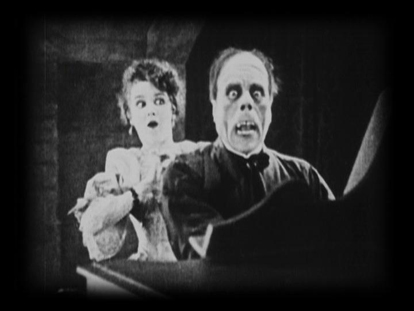
Nothing in that principle explains why people enjoy horror movies or, additionally, why they pay for the privilege of being scared.

Investigators generally use one of two theories to explain why people like horror movies:

1. It's excitement, not fear. People aren't actually afraid, they get a surge from the action and suspense.

2. Terror now brings euphoria later. Think you had a bad day at the office? Imagine being chased by zombies. It always feels better to know someone else is being chased by zombies.


It's fun to be scared, as long as there's a TV between you and him.

You don't need a big brain, or a high IQ, to have a comfortable life and a good family.

Witness the case of this French civil servant, written about by Dr. Lionel Fuillet in The Lancet. At age six months he was treated for hydrocephalus (water on the brain) with a shunt in his head to drain away the fluid. At age 14 he complained of unsteadiness and left leg weakness, which cleared up after the shunt was adjusted. Beyond that his neurological development and medical history were normal.

At age 44 the leg weakness returned and he was treated by Dr. Feuillet and colleagues of the Hôpital de la Timone and Faculté de Médecine, Université de la Méditerranée, Marseille, France.

Are we creating too many species?This editorial, New Taxonomy and the Origin of Species, says we are and I think they're right.

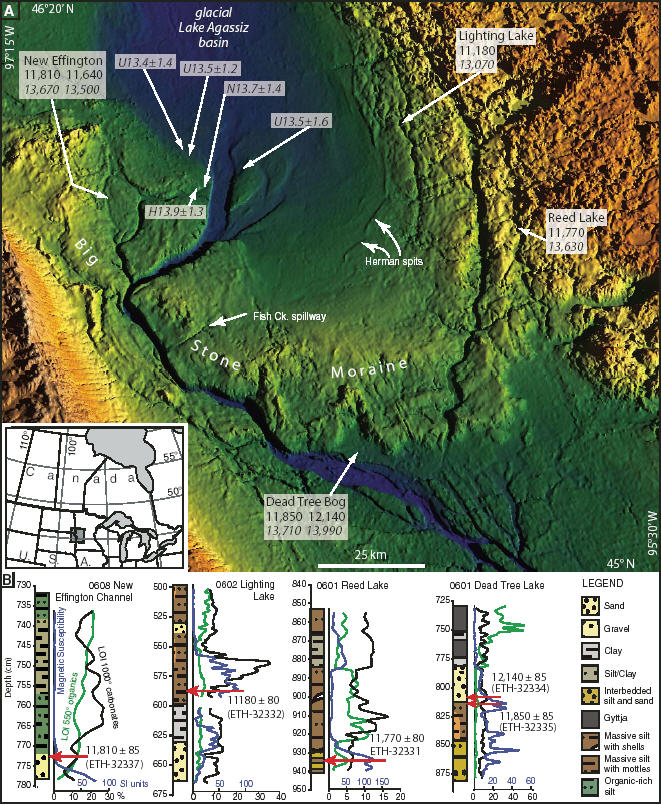
If you've never heard of Lake Agassiz, it's no surprise. It disappeared over 8,000 years ago. Yet it may have been the global warming trigger that ended the last Ice Age.

Using remains from lakes, bogs and channels, a multi-disciplinary group of scientists recently tackled the secrets of glacial Lake Agassiz and Big Stone Moraine.

Knowing the chronology of glacier retreat, and when glacial lakes formed, is important in linking physical events on the landscape with paleoclimate records. At the close of the last ice age, glacial ice in the upper Midwest of the United States retreated very quickly, likely in response to the warming climate.