Fake Banner
Young People Have Become Jaded To Emotional Appeals On Screens - And That Is Good

Running a pro-science nonprofit is a poor business model. Especially compared to lawyer groups...
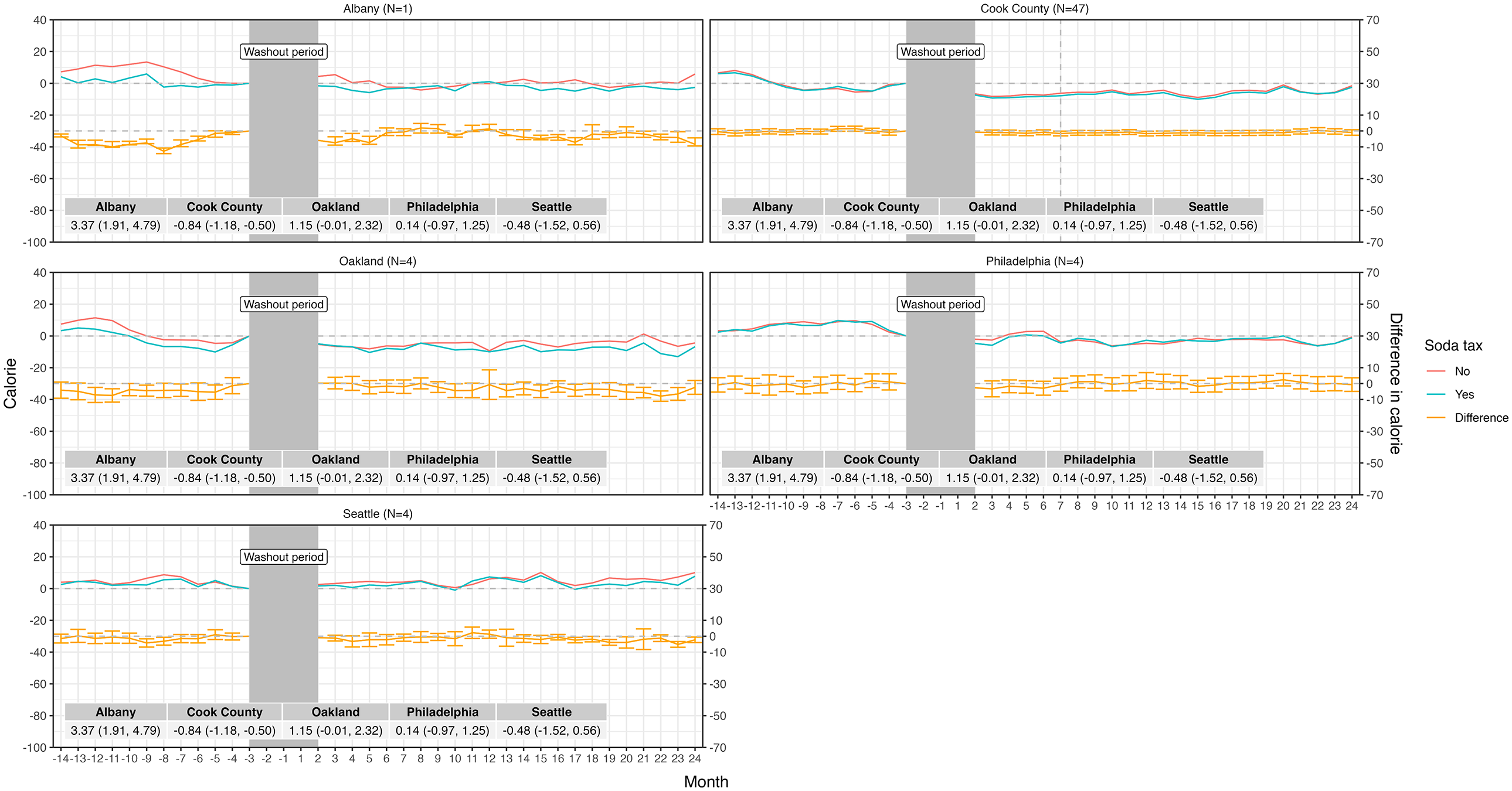
The Feel Good Fallacy Of Sugary Drink Taxes On Reducing Obesity

Social authoritarians like to make people more reliant on government and then control what people...

Environmental Groups Back In Court To Help Fellow Rich White People

The Usual Suspects of the anti-science movement, Center for Biological Diversity(1), Environmental...
Batteries Are Stuck In The 1990s Because Solid-State Batteries Keep Short-Circuiting

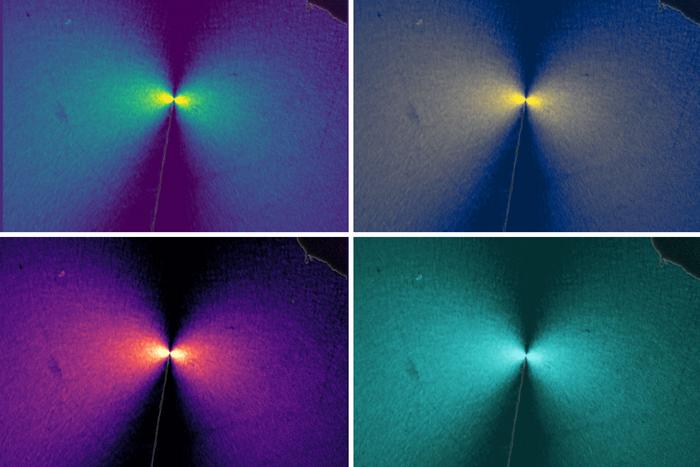
The electric car industry is held back by reliance on conventional energy. Despite spending trillions...

User picture.
picture for Fred Phillipspicture for Tommaso Dorigopicture for picture for Hontas Farmerpicture for Atreyee Bhattacharyapicture for Patrick Lockerby
Hank CampbellRSS Feed of this column.

I founded Science 2.0® in 2006 and since then it has become the world's largest independent science communications site, with over 300,000,000 direct readers and reach approaching one billion. Read More »

Blogroll
IN 1994, President Bill Clinton and Senator Tom Harkin set off a supplement boom - by decreeing that supplements could be exempt from real FDA oversight as long as they didn't claim to cure cancer or kill anyone (which companies in that market continued to do anyway) and placed in small print that their supernatural claims were not validated by FDA.

That, plus wasting taxpayer money at the National Center for Complementary and Alternative Medicine(1) that could have gone to real research created a boom, to where woo and mysticism that claims it is sticking it to Big Pharma is a $40 billion per year industry.
Do you believe bacon causes diabetes? Cancer? If not, you may be an apostate in 2023, when we've just exited a period during which any skepticism of epidemiology(1) is met with the 2020s equivalent of 'Do you even Science, Bro?'

There is just one problem. Epidemiology isn't science. It is instead, in the best circumstance, a statistical effort to point scientists in the right direction. That is not the same thing, and in the worst circumstance it can be a weapon for social engineering, as epidemiologists placed within the International Agency for Research on Cancer to get classifications on products for trial lawyers showed.
Coffee of any kind requires beans and those beans contain caffeine. If you don't want caffeine your choice to remove it is a chemical or...a chemical. Yes, I know some companies claim they use only water but they really use water and “supercritical carbon dioxide”, which is like claiming the chemical that creates banana flavor is different if it's grown in nature or in a building, despite being identical.
You wouldn't know it from listening to epidemiologists inside EPA or local weather personalities, but American air quality is better than it's been in 150 years. So clean they had to define "clean" down and start touting small micron particulate matter (PM2.5) one quarter the size of real smog, so small you need an electron microscope to see it, as a concern.

Well, it isn't. No one has ever died from PM2.5 and asthmatics are at greater risk in the perfume section of Macy's, regardless of hyperbolic air quality maps that routinely show red and orange despite much of the US having the same air quality as untouched sections of Siberia.
Things are getting back to normal because even though activist journalists are now covering a Tripledemic of COVID-19, flu, and RSV (respiratory syncytial virus) they have also found time to promote a story that claims a zero-calorie sweetener, asparatame, common in products like Diet Coke, Crystal Light, whatever causes anxiety. 

That's right, media have taken time from writing about something that may be important for the public to write about a paper claiming that aspartame gives mice anxiety.

We must be safe when we're back to covering mouse studies about safe products.
Vegetables have had a lot of foodborne outbreak scandals, but two times since the 1980s they have also impacted meat in a big way. 

Mad Cow disease in 1986 and Listeria in 2019 killed people. Mad Cow disease was due to poor quality control and a lack of coherent meat-chain understanding - the annual Burns Supper is coming up but you still can't buy haggis from Scotland - while more recent Listeria was just sloppy controls. Those can happen anywhere in the food chain but there may be ways to reduce the risk without making the perfect the enemy of the good.