The first fossils of a duckbilled dinosaur have been discovered in Africa, which means dinosaurs must have crossed miles of open water to get there.
Ajnabia odysseus was found in Morocco
and dates to the end of the Cretaceous, 66 million years ago. Ajnabia was a member of the duckbill dinosaurs, diverse plant-eating dinosaurs that grew up to 15 meters long. But the new dinosaur was tiny compared to its kin - at just 3 meters long, it was as big as a pony.
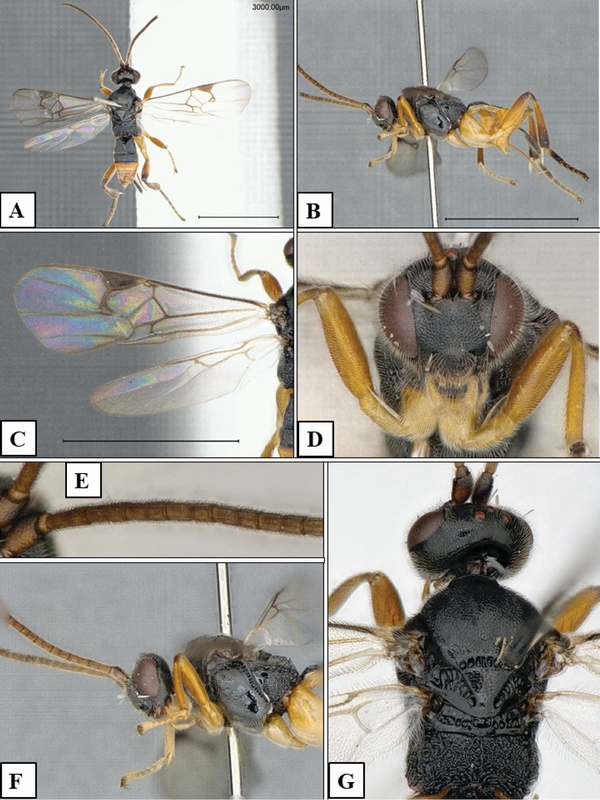
Only a few species, less than 0.1 percent, of parasitoid wasps enter water at all but now one in the family
Braconidae, subfamily
Microgastrinae, has been found to not only enter water but actually dive in order to attack and pull out caterpillar hosts, so that it can lay its eggs inside them before releasing them back in the water.
During research work in Japan, Dr. Jose Fernandez-Triana of the Canadian National Collection of Insects and colleagues
found and filmed the first microgastrine parasitoid wasp to do so.
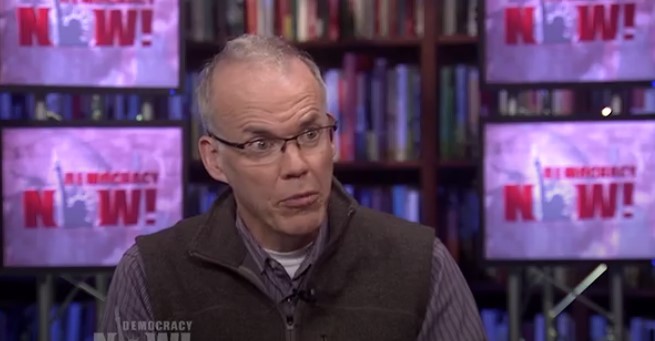
Since 2012, there have been increased calls for fossil fuel "divestment" - getting money out of fossil fuel companies. Despite an effort that peaked in 2015, spurred on by paid protesters from groups run by activists like Bill McKibben, they haven't made much difference.
Some schools and companies say they have done it, but like "sustainability" divestment has so many subjective meanings it is meaningless.
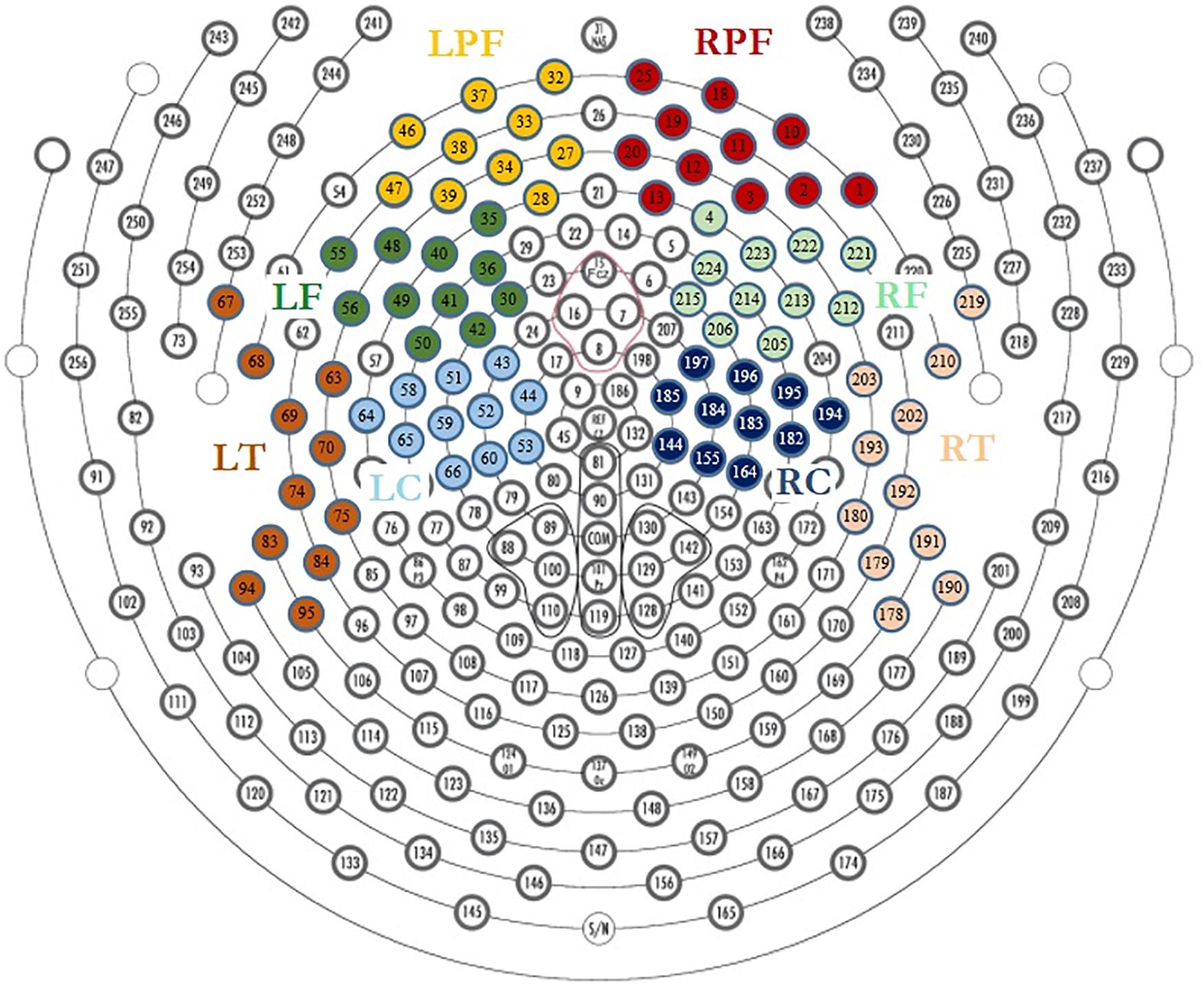
If you're a music lover, you've likely had that feeling where a favorite song floods your system with pleasurable emotions, joyful memories, makes your hair stand on edge, or even sends a shiver or "chill" down your spine.
About half of people report that they get such chills when listening to music.
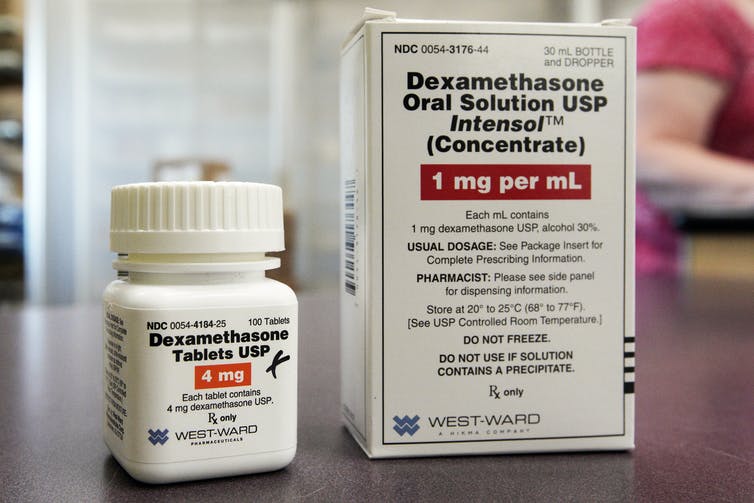
Two large recent studies show that people hospitalized for COVID-19 in March were more than three times as likely to die as people hospitalized for COVID–19 in August.
The first study used data from three hospitals in New York City. The chance of death for someone hospitalized for the coronavirus in those hospitals dropped from an adjusted 25.6% in March to 7.6% in August. The second study, which looked at survival rates in England, found a similar improvement.
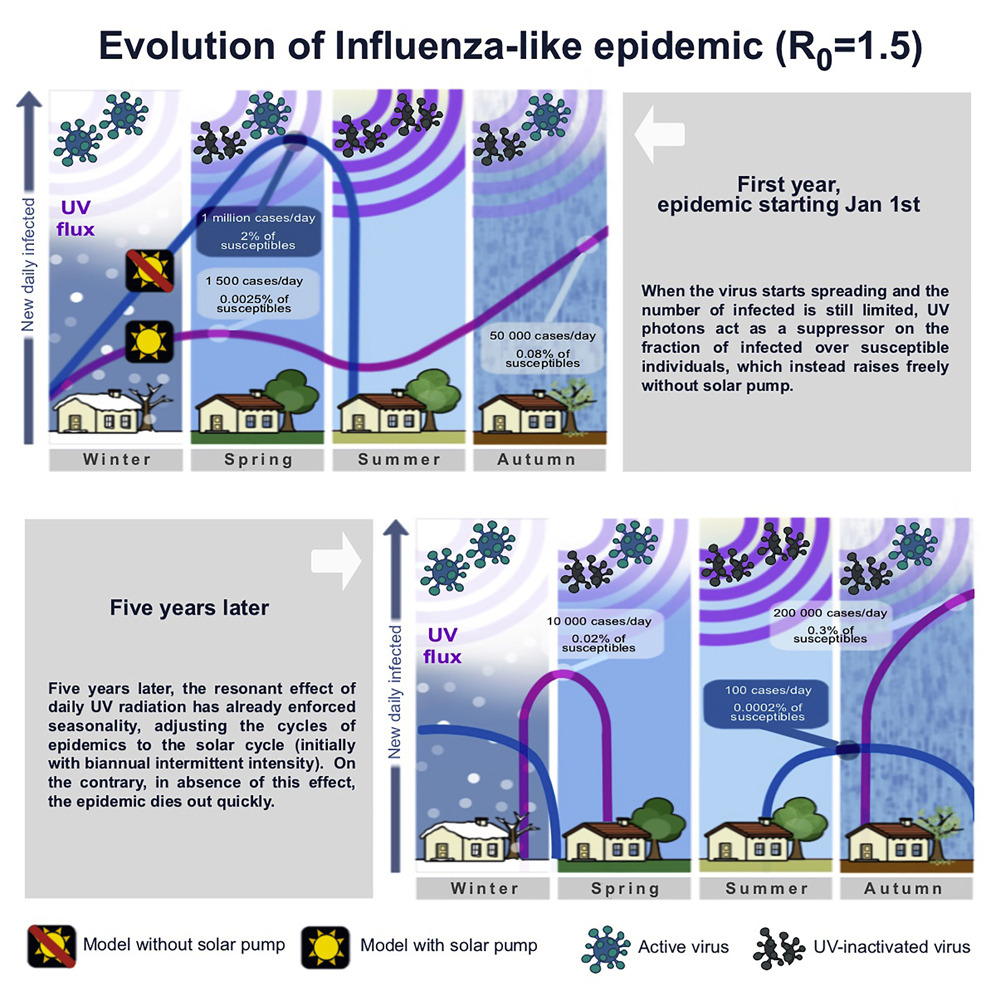
Viral respiratory epidemics like the flu spike cyclically during autumn and winter - but only in the temperate regions of the globe's northern and southern hemispheres.
In the equatorial belt, they happen all year round, at lower levels.
A new numerical model hopes to provide insight. The authors find that both the prevalence and evolution of epidemics are strongly correlated with the amount of daily solar irradiation that hits a given location on the Earth at a given time of the year.
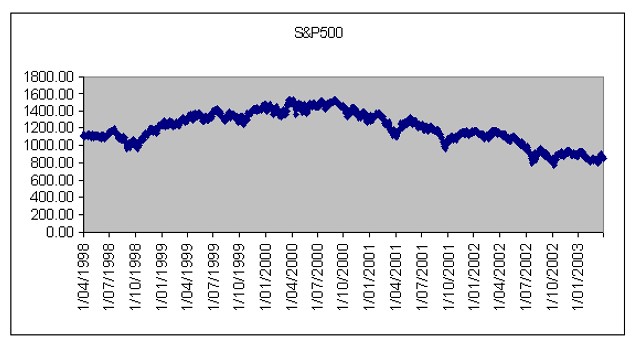
Finance and nature have an interesting mathematical connection.
Dear students,
If you ask about your grade, I’ll gladly tell you that you’re doing well in the course, or that you really need to do better, as the case may be. More specifically than that I will not say.
The main reason for this is that if I were a hiring manager at a company, the very last thing I would ever think to ask you about would be your grades.
When you interview for a job, you should show that you understand the company’s situation, that you have knowledge, skills and experiences that prepare you to do the job, and that your personality and way of working fit the company’s vibe (okay, their “culture”). And that you can clearly articulate these things. All this is so much more important than grades.
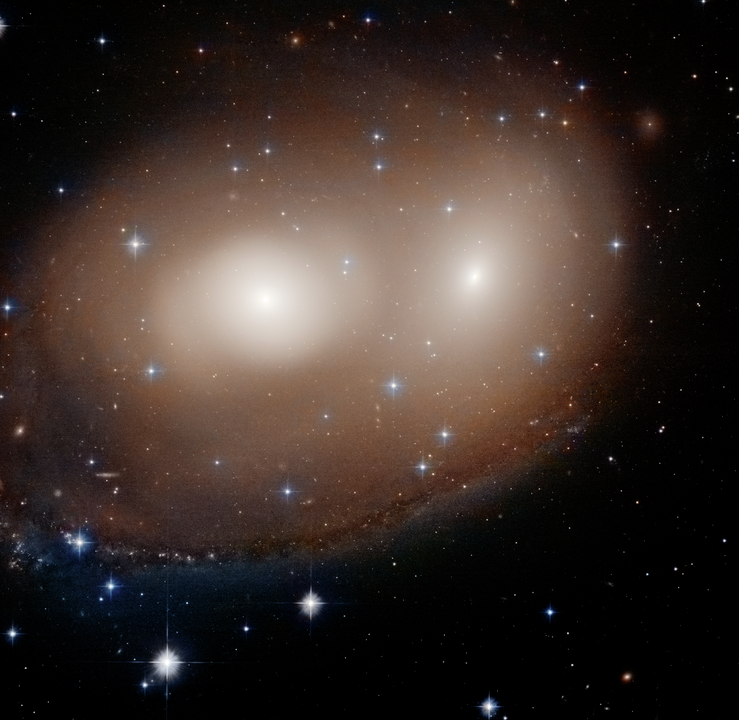
In a classic "Charlie Brown" Halloween tale, one character believes in the pumpkin equivalent of an Easter Bunny or Tooth Fairy, but NGC 2292 and NGC 2293 are real. At 109,000 light-years across, the diameter of our Milky Way, they don't just form a Great Pumpkin, they form the greatest pumpkin of all.
What looks like two glowing eyes and a crooked carved smile is a snapshot of the early stages of a collision between the two galaxies. The "pumpkin’s" glowing "eyes" are the bright, star-filled cores of each galaxy that contain supermassive black holes.
The sanitary emergency presently affecting most countries across the World is highlighting the duties that each of us, as a member of a collectivity of individuals who share commodities, services and infrastructure, is called at times to attend to. In a well-functioning society paying taxes should not be enough to earn the right to be a citizen. Indeed, the "social contract" also demands us to, e.g., abide to laws.