The race is on to be the food craze of 2019 and the leading contenders so far are biltong - beef jerky from South Africa - and angelica keiskei koidzumi (ashitaba) from Japan.
If a plant can have a leaf cut off and have it grow back the next day, why not assume eating it will help humans? Because we know more science now than 18th century soldiers did.
But once a supplement takes off, more studies showing magical benefits will be soon to follow, and Nature Communications is helping get things going - perhaps because the credit card cleared. It certainly can't have gone through real peer review.
One new craze in the alternatives to medicine community is infusions of plasma from young donors, sold with the claim that it can prevent aging, dementia, Parkinson’s disease, multiple sclerosis, and even PTSD, post-traumatic stress disorder.
Vampires are just a story people choose to buy, like homeopathy and organic food. Plasma in blood does contain proteins that help blood clot blood but unless you are a trauma patient or have a medically diagnosed clotting condition, you are not benefiting from plasma.
Former Denver Broncos running back Terrell Davis, who trained by running with tractor tires strapped to his waist and all that, has an easy marketing hook for his new cannabis 'athletic recovery' drink; if I am wrong, then why do I have two Super Bowl rings and a spot in the NFL Hall of Fame?(1)
It sounds ridiculous when it's so on-the-nose, but that kind of strategy is common because it works. It is why athletes lend their name to products, and why friends of athletes want them involved in companies. As is happening with this Defy beverage, which touts that it contains cannabidiol (CBD) extracted from the marijuana and is being pushed by David, a friend of the CEO.
The bad news: there is no way this is an anti-inflammatory
Friends of the Earth, the kooky offshoot of Sierra Club that hates science even more, is dumping its advertising budget into a claim it commissioned from a Maharishi Institute scholar who runs what is apparently
an uncredentialed lab claiming they were
able to detect a weedkiller in common food. And journalists have repeated it everywhere.
Any scientist could have told them that and saved their money.
A recent paper in
JAMA Internal Medicine had all of the ingredients mainstream media love in food stories; a cosmic sounding number of participants (44,551), which sounds like it adds statistical power, and a provocative conclusion about the perils of the modern world - in this case that eating "ultra-processed food"
is lowering life expectancy.
Love is a complex topic. You love your dog differently than you love chocolate. There are times when you might put your dog, or a loved one, ahead of yourself, but you would never jump in front of a moving car to save chocolate.


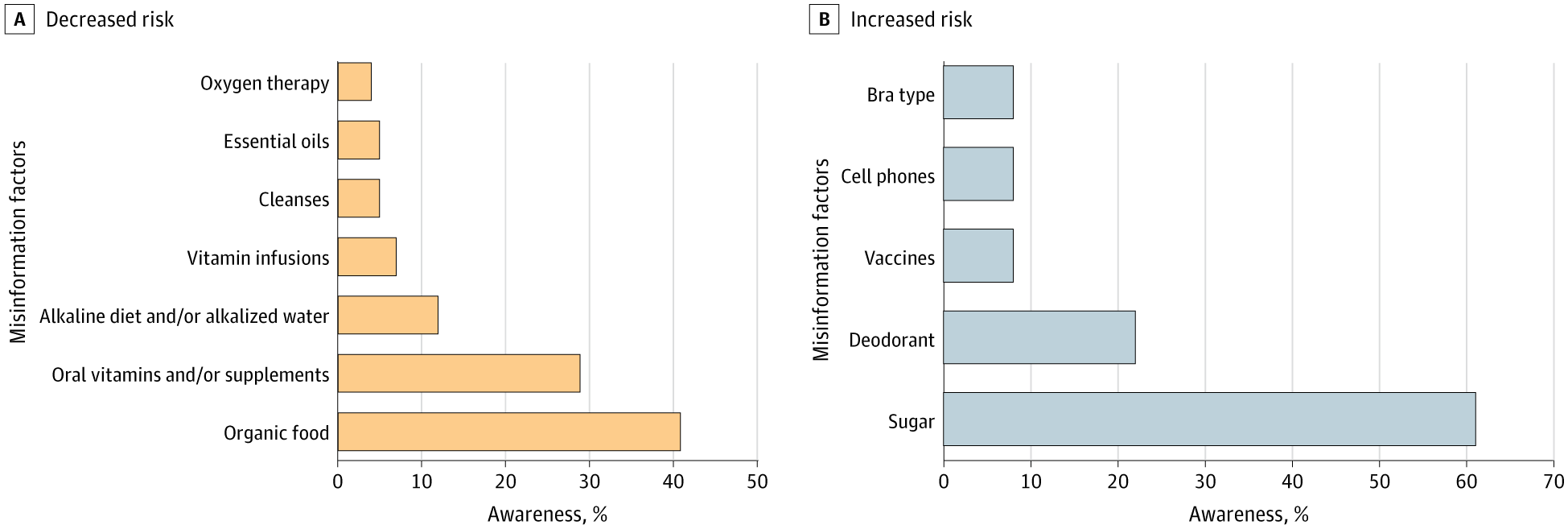 Misinformation Common Among Women With Breast Cancer
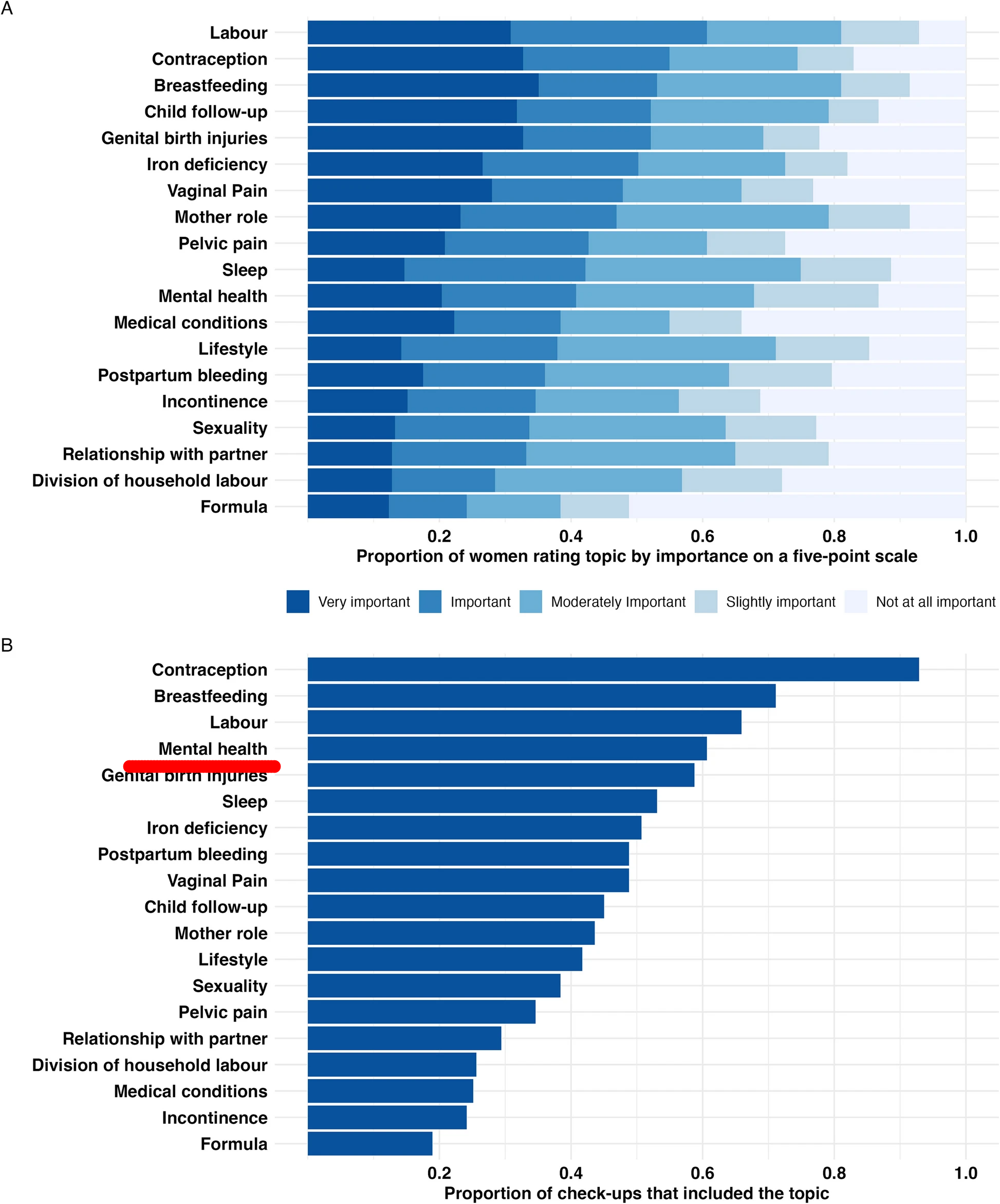 Even With Universal Health Care, Mothers Don't Go To Postnatal Check-Ups
 Happy Twelfth Night - Or Divorce Day, Depending On How Your 2026 Is Going
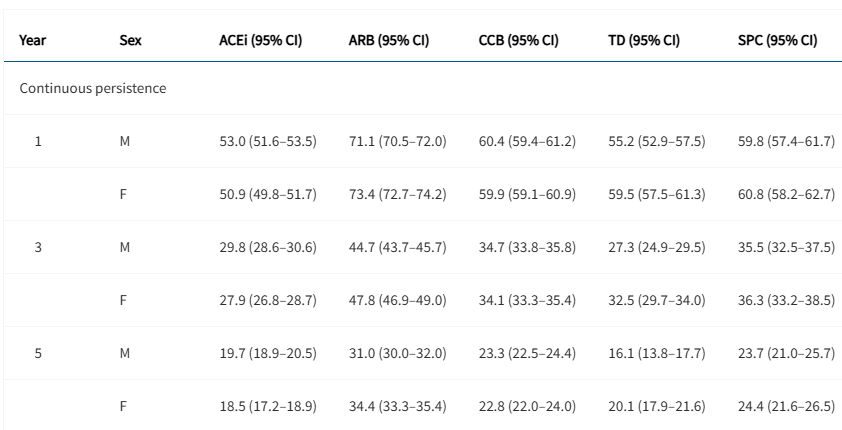 Blood Pressure Medication Adherence May Not Be Cost, It May Be Annoyance At Defensive Medicine