Fake Banner
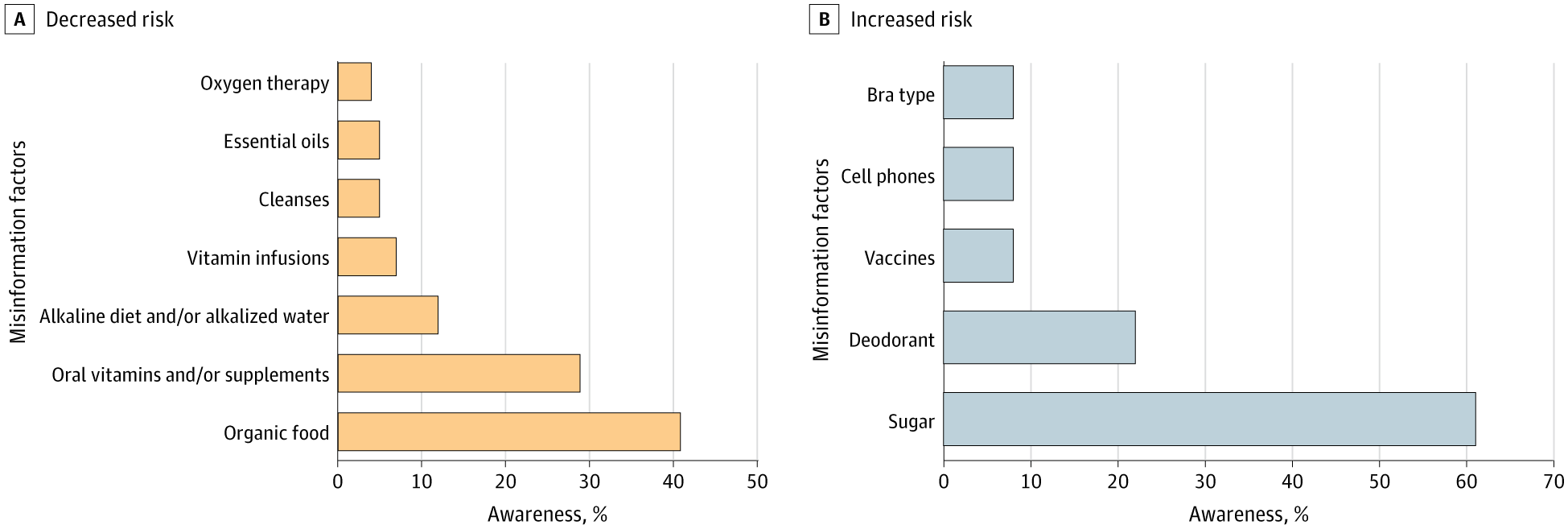
Misinformation Common Among Women With Breast Cancer

Vaccines are getting American media attention now that Republicans are engaging in misinformation...
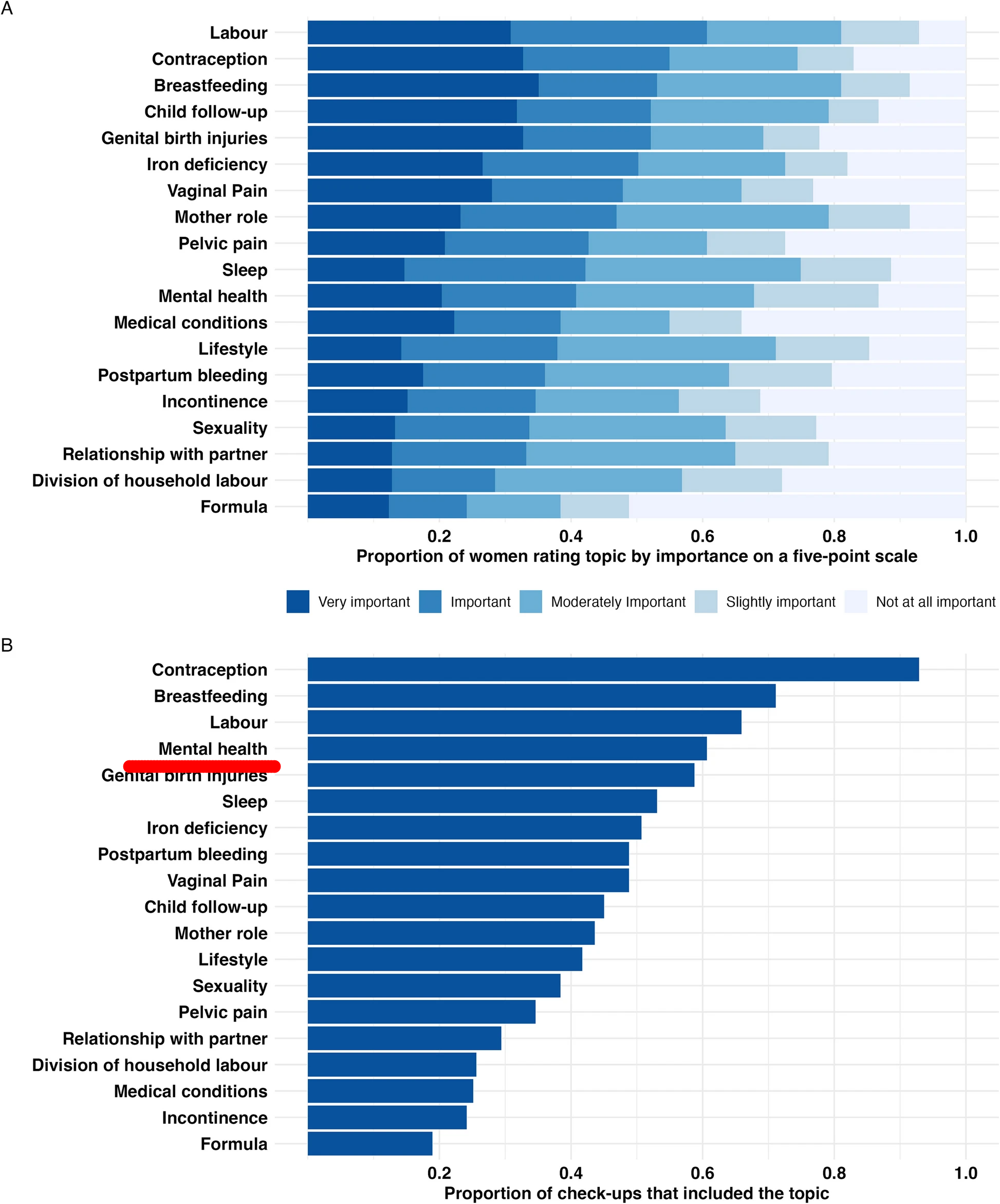
Even With Universal Health Care, Mothers Don't Go To Postnatal Check-Ups

For decades, health care costs have been a political topic in America. Advocates argue it is the...
Happy Twelfth Night - Or Divorce Day, Depending On How Your 2026 Is Going

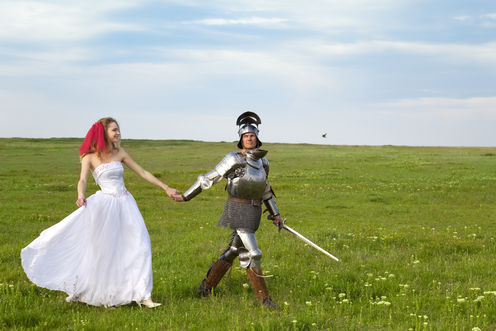
Today is, in Christian observance, Twelfth Night, the end of The 12 Days of Christmas in that song...
Blood Pressure Medication Adherence May Not Be Cost, It May Be Annoyance At Defensive Medicine

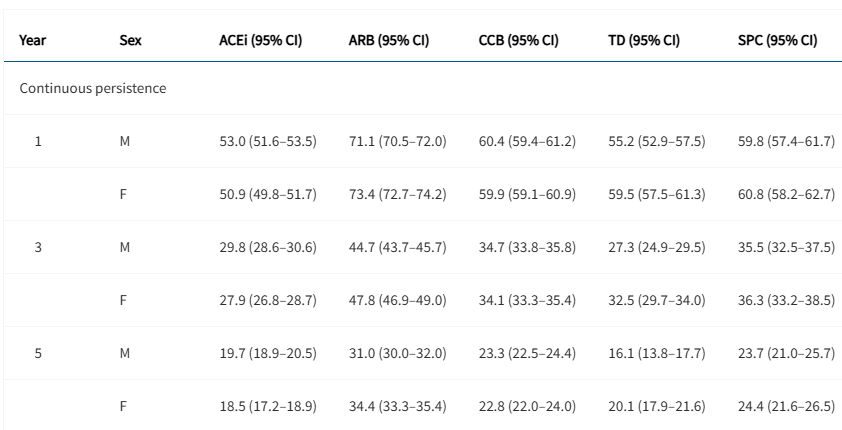
High blood pressure is an important risk factor for developing cardiovascular disease and premature...

User picture.
picture for Tommaso Dorigopicture for Fred Phillipspicture for Hontas Farmerpicture for picture for Patrick Lockerbypicture for Ilias Tyrovolas
Hank CampbellRSS Feed of this column.

I founded Science 2.0® in 2006 and since then it has become the world's largest independent science communications site, with over 300,000,000 direct readers and reach approaching one billion. Read More »

Blogroll
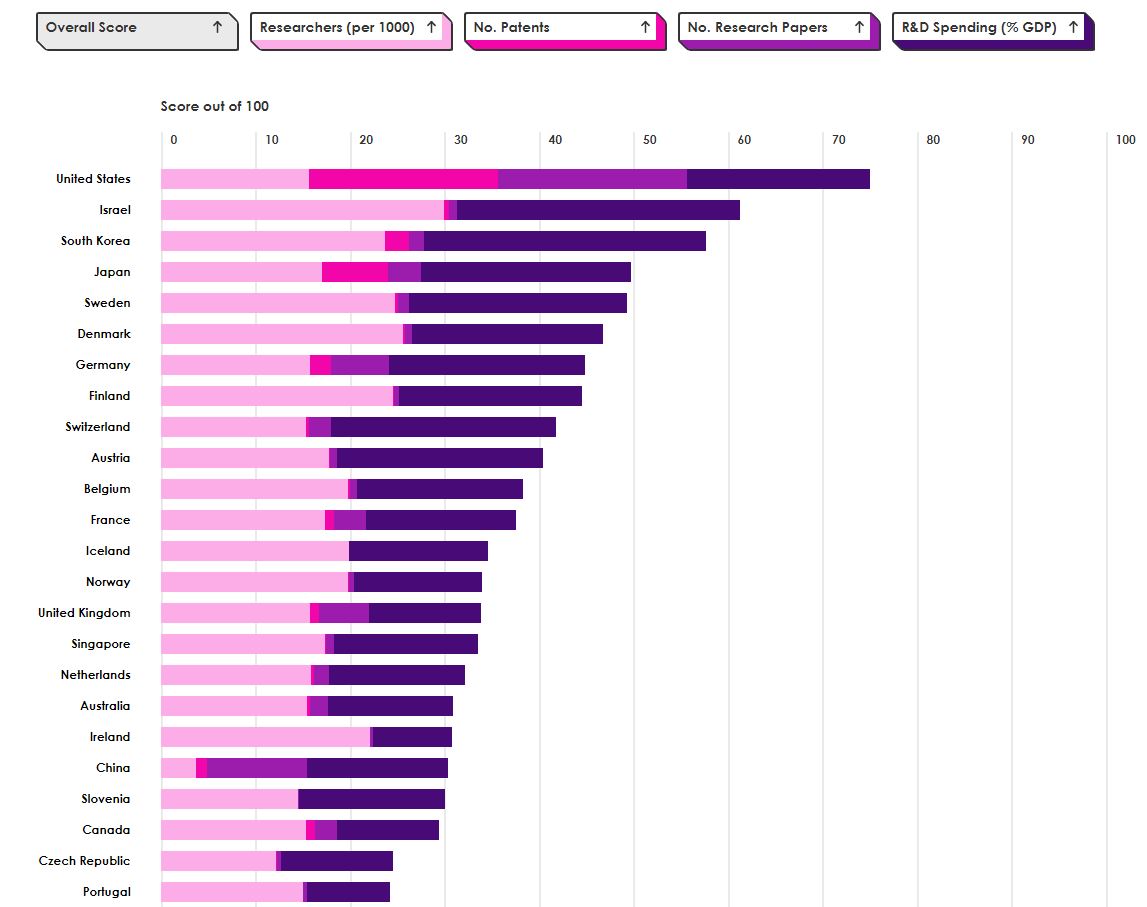
A new index of scientific output has been released and it finds that the United States continues to dominate in research, bolstered by the private sector accounting for nearly 70 percent of science funding, where most other developed countries instead rely on government.

The analysis factored in the number researchers as percentage of population, patents, papers released, and GDP spending. 
When we think of Mt. Everest, it's usually imagery like Sir Edmund Hillary and his guide Tenzing Norgay in parkas and with oxygen tanks making the hazardous 29.000 climb. And then there are the dead bodies, nearly 300 of them, those who perished on the trek to the summit.

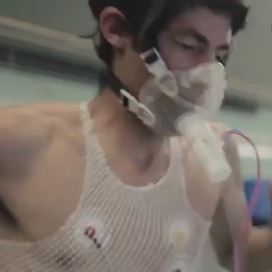
What we don't think of is a man running, yet that is what Kilian Jornet Burgada did part of the way in famous photos - and then after 26 hours and 31 minutes, the fastest climb ever(1), he came back down, rested, and did it again, all within a week.

Poor people live in areas with more pollution, but pollution is relative in 2019.

Environmentalists may hate science but they love to ignore inconvenient truths about alcohol - namely that it is a toxic carcinogen the way they wish BPA, atrazine, fracking, vaccines (insert whatever they are raising money on this week) could be.

Zooey Deschanel, whose picture could be in the dictionary under "adorkable" thanks to starring roles in "Elf" and "New Girl", isn't well regarded in science, and hasn't been since for as long as she's been undermining it, which is as long as people have known her name. That's now a long time, since "Almost Famous" is about to turn 20.
In the movie "Erin Brockovich", actress Julia Roberts portrayed a clerk who got energy company PG&E worried enough about a jury being scared of science they wrote her boss a giant check. Because Hollywood is in California, the state government was motivated to declare the compound harmful and put in tighter restrictions.

The concern from the science community was that no one was being harmed. It's a slippery slope from demonizing a scary sounding chemical in water to doing the same thing to vaccines or weedkillers. Which is exactly what has happened, and California has led the way in both cases.