Fake Banner
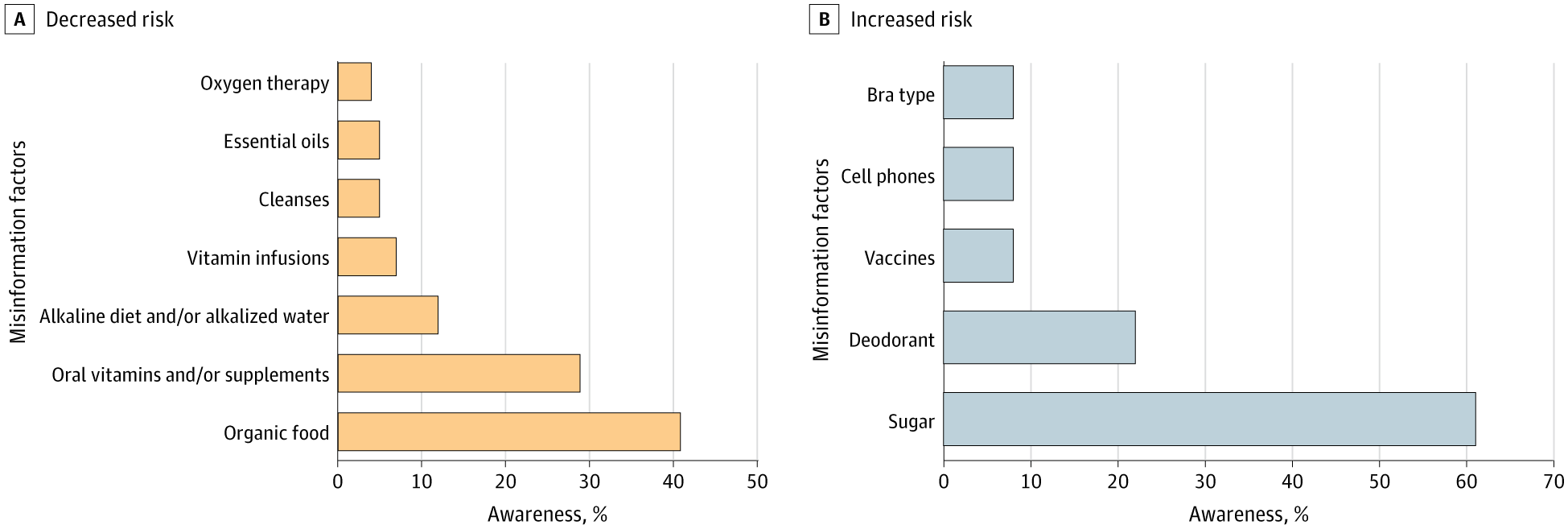
Misinformation Common Among Women With Breast Cancer

Vaccines are getting American media attention now that Republicans are engaging in misinformation...
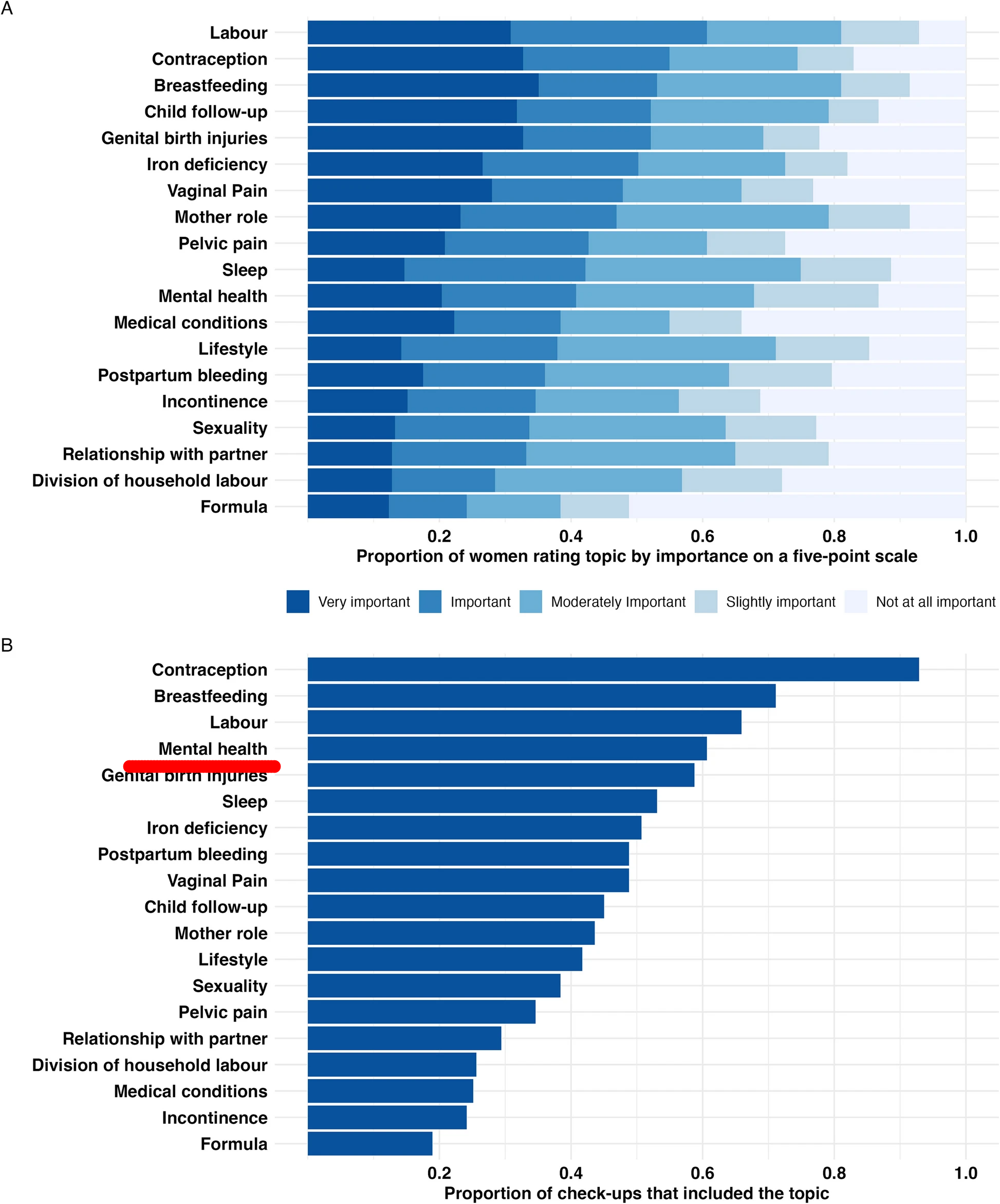
Even With Universal Health Care, Mothers Don't Go To Postnatal Check-Ups

For decades, health care costs have been a political topic in America. Advocates argue it is the...

Happy Twelfth Night - Or Divorce Day, Depending On How Your 2026 Is Going

Today is, in Christian observance, Twelfth Night, the end of The 12 Days of Christmas in that song...
Blood Pressure Medication Adherence May Not Be Cost, It May Be Annoyance At Defensive Medicine

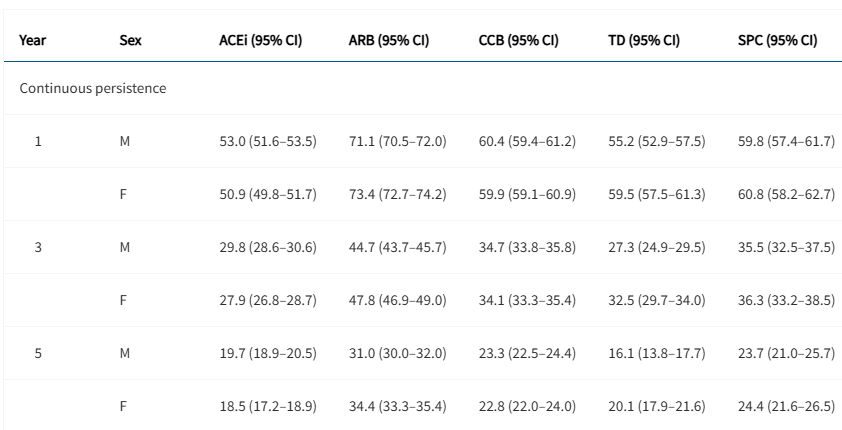
High blood pressure is an important risk factor for developing cardiovascular disease and premature...

User picture.
picture for Tommaso Dorigopicture for Fred Phillipspicture for Hontas Farmerpicture for picture for Patrick Lockerbypicture for Ilias Tyrovolas
Hank CampbellRSS Feed of this column.

I founded Science 2.0® in 2006 and since then it has become the world's largest independent science communications site, with over 300,000,000 direct readers and reach approaching one billion. Read More »

Blogroll
A paper in Current Anthropology uses writing to distill what the authors believe are seven rules of morals common worldwide

It's certainly a catchy idea for people who sit at the bar asking why Arabs and Israelis in the Middle East can't get along but there is a big problem putting them into practice. Some morals aren't creating common ground because they are in opposition to each other. 

The seven common moral beliefs Drs. Curry, Mullins, and Whitehouse, all of Oxford, list are: helping your family, helping a larger cause, reciprocity, being brave, respecting authority, dividing resources equally or by splitting the difference, and respecting the property of others. 
FDA Commissioner Scott Gottlieb, M.D., has requested a meeting with the management of Walgreens, the top violator among pharmacies that sell tobacco products to kids. But they are not alone, 15 others were also called out, including Walmart, Kroger, 7-Eleven, Family Dollar, BP and Citgo.
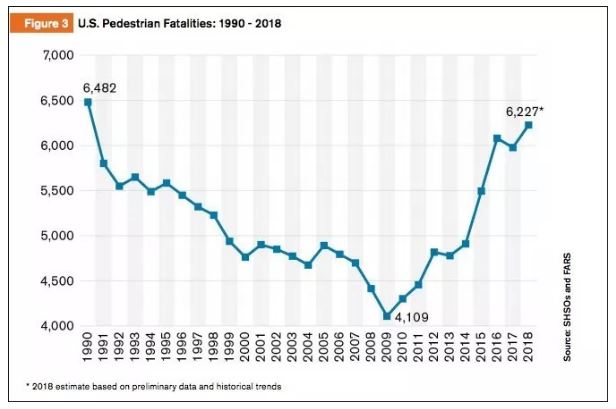
A picture is worth a thousand words, and a simple chart of pedestrian deaths is worth 6,227 - that is the number of pedestrian deaths last year, not the length of this article.
If you are in a hurry, I will save you some time. Do not walk, fly at 20,000 MPH to your nearest theater or Fandango or however you get IMAX tickets and see "Apollo 11."

I want to be the first to congratulate Todd Douglas Miller on his 2020 Academy Award, because unless someone pumps out a documentary about a minority transgender person with their heart on the outside who escapes North Korea and wins the Olympics, this is going to win.

And for good reason. It looks glorious, it feels glorious, it hearkens back to a time when NASA was bold and not a job works program. As a kid who lived a short distance from Cape Canaveral, I was fortunate to see an Apollo launch in person, and I have to tell you this is better. 
I don't drink much milk now, though I did when I was a kid. I think I eat more cheese than I did then, and that makes sense. We were a poor family on a subsistence farm and cheese is expensive. Milk was not. At least if you got it right from the farmer. 

But most of us don't get it right from the farmer, which is one reason why an increase in milk prices in the U.S. won't help dairy farmers much, any more than it will in Australia or any other country. Most people do not buy dairy products from a local farmer, they buy food in stores. And the products in those stores may not even have been made using milk from this country.
Food is plentiful and affordable, and that has brought an increase in consumption of foods that matched an ancient evolutionary mandate; sweetness.

In ancient times, humans knew that sweetness meant more calories and in a world where they often weren't sure where the next meal would come from, getting as many calories when they were available was important. When agriculture came into existence, farmers began genetically modifying foods to be bigger and sweeter. Beginning in the late 1980s, science gave us a true food boom, with more food grown on less land with less environmental strain than thought possible when claims of a "population bomb" by authors such as Paul Ehrlich and John Holdren were popular.