Fake Banner
Blood Pressure Medication Adherence May Not Be Cost, It May Be Annoyance At Defensive Medicine

High blood pressure is an important risk factor for developing cardiovascular disease and premature...

On January 5th, Don't Get Divorced Because Of Hallmark Movies

The Monday after New Year's is colloquially called Divorce Day, but it's more than marriages ending...

Does Stress Make Holidate Sex More Likely?

Desire to have a short-term companion for the holidays - a "holidate" - is common enough that it...

To Boomers, An AI Relationship Is Not Cheating

A recent survey by found that over 28 percent of adults claim they have an intimate, even romantic...

User picture.
picture for Fred Phillipspicture for Hontas Farmerpicture for Tommaso Dorigopicture for picture for Patrick Lockerbypicture for Ilias Tyrovolas
Hank CampbellRSS Feed of this column.

I founded Science 2.0® in 2006 and since then it has become the world's largest independent science communications site, with over 300,000,000 direct readers and reach approaching one billion. Read More »

Blogroll
In the 1960s and '70s, population apocalypse stories were popular. Movies like "Soylent Green" and books like "The Population Bomb" and "Ecoscience" provided dystopian views of the future, where science would fail and government would be forced to get drastic, with forced sterilization and abortion needed until the number of people got down to a limit farming could sustain.

That never happened. Progress did. Companies created new agricultural tools, herbicides were created that avoided resistance. Then we got GMOs. First in insulin, then they saved the papaya in Hawaii, and then we got common products like corn, soybean, and cotton. Food got more plentiful and more affordable.
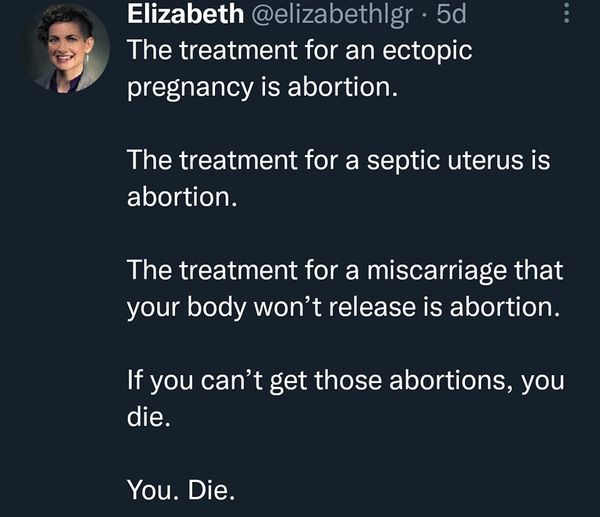
The 1973 Roe v. Wade decision has been overturned, which means that the Supreme Court ruled that the right to an abortion is not federally protected by the US Constitution (in the 1973 case, that it couldn't be illegal under the Due Process Clause of the 14th Amendment), and is instead up to states as per the enumerated powers part of the Constitution. As most of you know, when the Constitution was written, states were concerned about replacing one autocratic centralized government with another, so the Constitution, and then the immediate Bill of Rights, were written to specify that if it was not in the Constitution, it was left to states.
The value of bees in pollination is overstated, outside the on-demand almond grower market the pollination done by bees would be taken up by 400,000 other species if bees disappeared tomorrow, but that doesn't mean they are not an important part of the ecosystem in other ways.
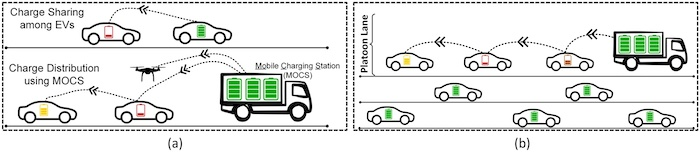
One of the sillier commercials for a cell phone I have seen in recent memory is some guy shaking his head in sadness that his phone is out of battery and a kindly person places her phone on his to give him a boost. They were able to use the Qi wireless charging capability to share energy with each other.

This looked like a solution without a problem. If you are going to be that despondent without your phone, you bring one of those little charging packs, you bring a power cord, you are not shaking your head like you unwittingly got placed into an episode of "Alone" and have been dropped into Alaska with nothing but a neck gaiter and a frying pan. You are prepared.
Genetic admixture didn't begin in the 1970s, when insulin became the first government approved genetically modified organism (GMO) and AquAdvantage salmon, where an Atlantic salmon expresses a natural gene from a Chinook salmon to grow faster, certainly was not the first time such genetic engineering showed benefits across the ecosystem.

A new study finds that genetic admixture occurred in polar bears 100,000 years, but it did not create Frankenbears, it just created better brown bears. 
The Biden administration has issued a decree that any furnace sold after 2029 must be a "condensing" furnace, and his environmental group allies are thrilled they have locked in another win.

It may not be a win for the public.