Fake Banner
Happy Twelfth Night - Or Divorce Day, Depending On How Your 2026 Is Going

Today is, in Christian observance, Twelfth Night, the end of The 12 Days of Christmas in that song...
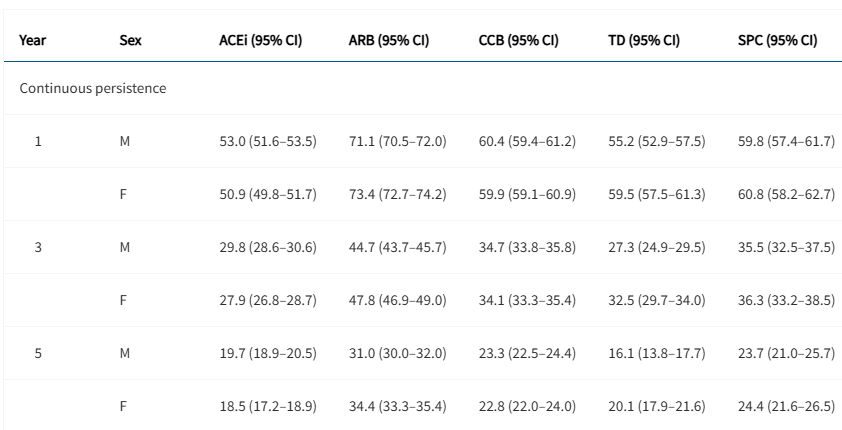
Blood Pressure Medication Adherence May Not Be Cost, It May Be Annoyance At Defensive Medicine

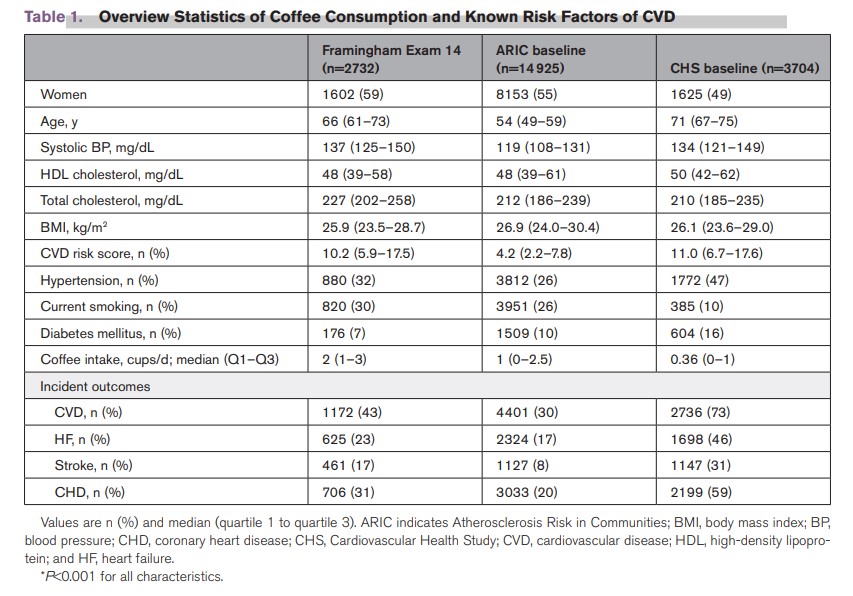
High blood pressure is an important risk factor for developing cardiovascular disease and premature...

On January 5th, Don't Get Divorced Because Of Hallmark Movies

The Monday after New Year's is colloquially called Divorce Day, but it's more than marriages ending...

Does Stress Make Holidate Sex More Likely?

Desire to have a short-term companion for the holidays - a "holidate" - is common enough that it...

User picture.
picture for Tommaso Dorigopicture for Fred Phillipspicture for Hontas Farmerpicture for picture for Patrick Lockerbypicture for Ilias Tyrovolas
Hank CampbellRSS Feed of this column.

I founded Science 2.0® in 2006 and since then it has become the world's largest independent science communications site, with over 300,000,000 direct readers and reach approaching one billion. Read More »

Blogroll
Do you think food is medicine? While Whole Foods imagery touted that in 2019, the coronavirus pandemic that began in Wuhan later that year punctured efforts to convince the public that health is a moral or economic issue - you owe it to your kids to buy overpriced food. SARS-CoV-2 and the COVID-19 pandemic showed that eating expensive onions won't save anyone from anything. 

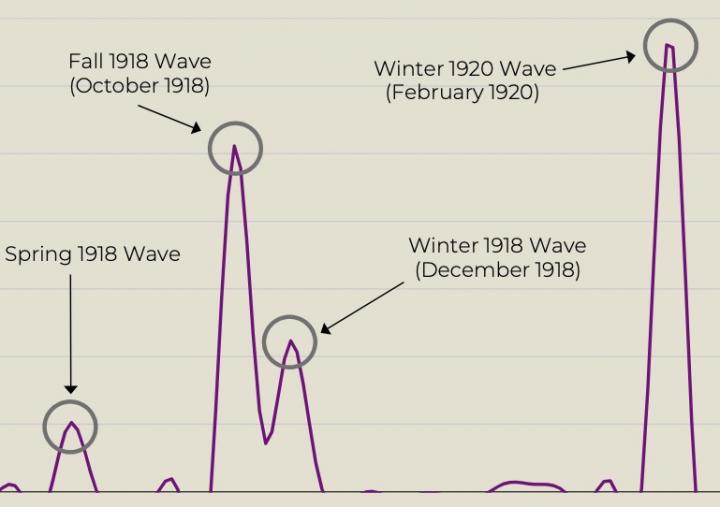
What may help save people is remembering the past rather than wishful thinking about the present. In this case, looking back at the 1918 Spanish flu pandemic which killed far more than COVID-19.
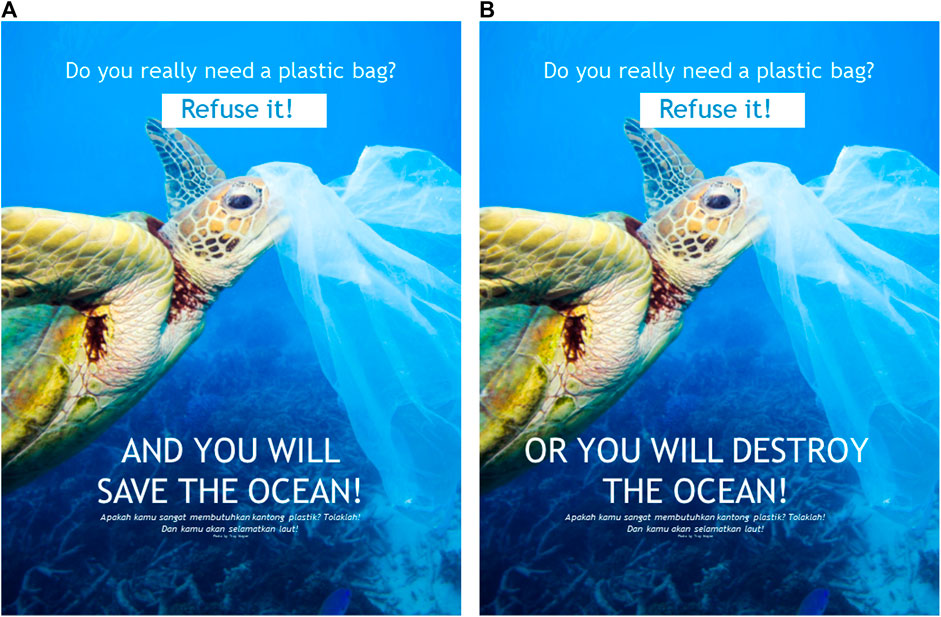
If a tourist doesn't know messing around with a coral reef is bad, they may try to touch them or pet turtles, but after being told by someone local that it has risks for the nature they are there to see they far less likely to do so.

A new paper found that such "nudges" works well. Which would mean we often don't need government 'ignore of the law is no excuse' type shaming policies to change behavior.
There are a few known risk factors for heart disease; age is the big one, and then genetics and smoking. Everything else is instead a risk factor for a risk factor for heart disease or even more circumstantial. So butter was a risk factor for cholesterol which was a risk factor for high blood pressure which was a risk factor for heart disease.
At the turn of the 20th century Carrie Nation smashed up a saloon in Kansas, gold was discovered in Alaska, and New York City's boundaries became set with the inclusion of Queens and Staten Island.

America had five new states and they had a big problem.(1)

Water. 

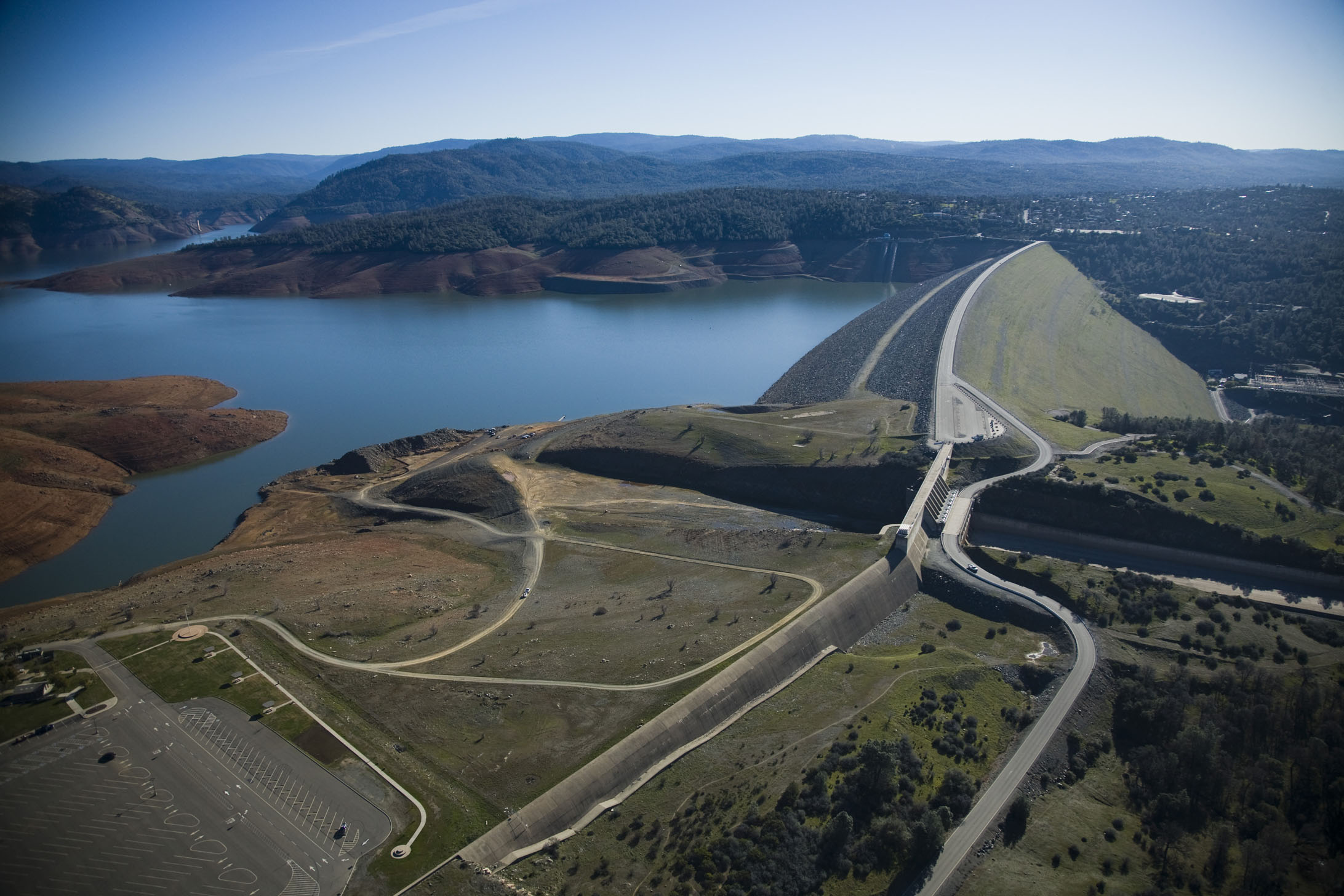
Homesteaders wanted to move out west, and government wanted to help, but there was a water issue. When rain was happening things were fine but nature is fickle. Weather was less predictable then and even if you lived near a river, there was no guarantee you'd have water.
The Global Trends in Renewable Energy Investment 2019 report stated that in the previous 10 years the world had spent $2.6 trillion on solar and wind power subsidies - which they framed as a good thing. Since we need to get billions off wood and dung, the largest sources of pollution, that so much money only led to 1,650 gigawatts(GW) of energy should have environmentalists concerned.

Instead of focusing on how we can get energy, and therefore water and sanitation. to the poorest, activists continue to create propaganda about natural gas and nuclear while claiming solar and wind are ready.
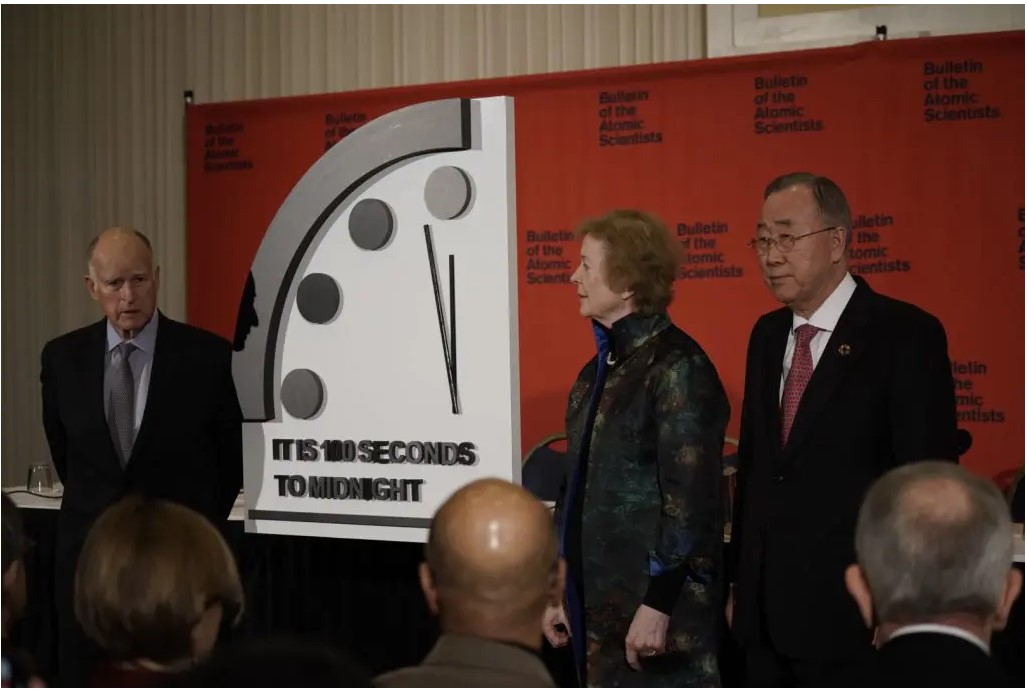
The Doomsday Clock, a marketing gimmick of the anti-nuclear group Bulletin of the Atomic Scientists, gets an unreal amount of attention from political allies in journalism in a way that scientists can't understand any more than how Environmental Working Group's so-called "Dirty Dozen" list of foods (that strangely exempts organic food pesticides their corporate donors sell) gets so much corporate media coverage.