Fake Banner
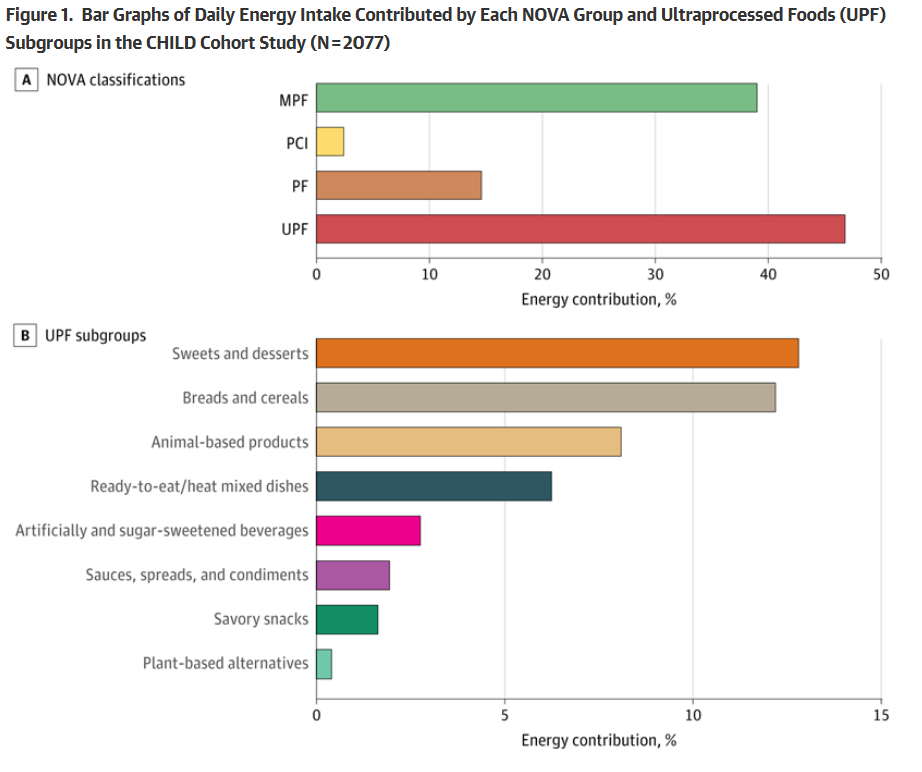
Canadian Epidemiologists Claim Processed Foods Cause Bad Kids

A cohort analysis of preschoolers in Canada has led the authors of the paper to call for bans...
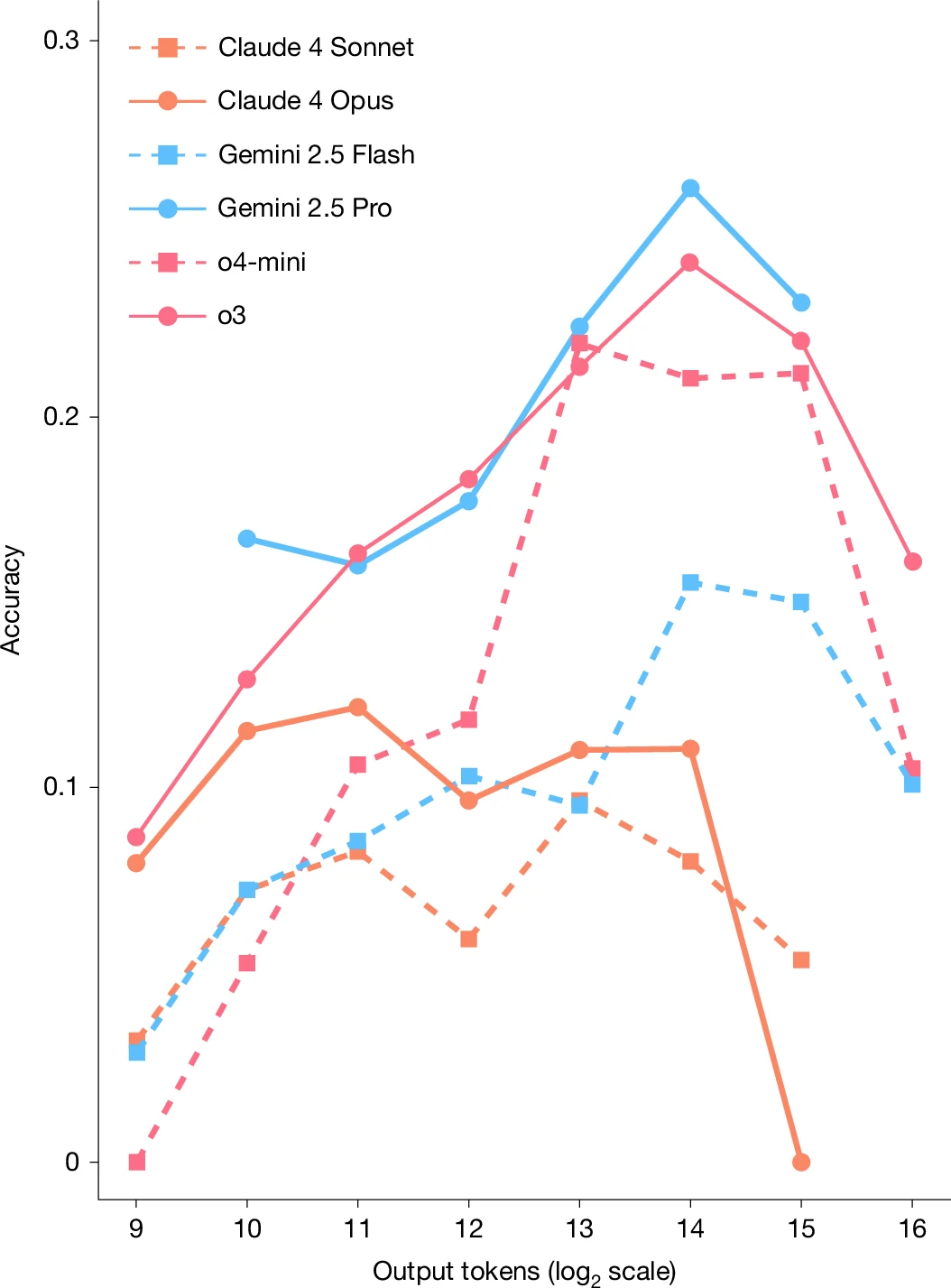
What AI Can't Do: Humanity’s Last Exam

By this time 26 years ago, the "Dot-Com Bubble" was ready to burst. People who wanted to raise...

Does NBA Income Inequality Impact Team Performance?

A new paper says that players where a few superstars get the money leads to less cooperation and...
Dogs And Coffee: Finally, Epidemiology You Can Trust

In 2026, it is easy to feel intellectually knocked around by all of the health claims you read...

User picture.
picture for picture for Tommaso Dorigopicture for Fred Phillipspicture for Hontas Farmerpicture for Atreyee Bhattacharyapicture for Patrick Lockerby
Hank CampbellRSS Feed of this column.

I founded Science 2.0® in 2006 and since then it has become the world's largest independent science communications site, with over 300,000,000 direct readers and reach approaching one billion. Read More »

Blogroll
Robert F. Kennedy, Jr. The NYU Arthur L. Carter Journalism Institute, Berkeley psychologist Joel Moskowitz, and other anti-science conspiracy theorists use the language of science against it to advance their beliefs that we're all being harmed by the modern world.

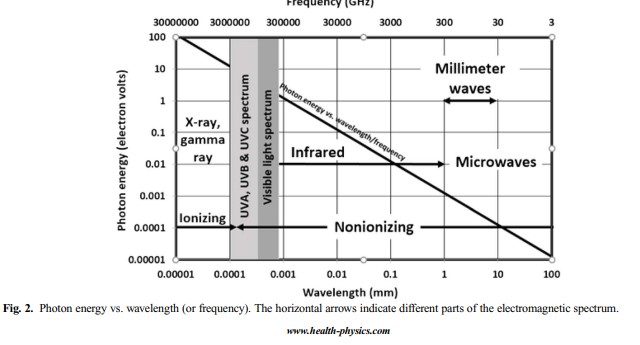
So when they see a scientific statement like "very low risk" of harm from any cell phone service, including 5G, they have a ready retort to mobilize the coastal Karens and Darrens who make up their ranks; that's not no risk.
If you know the government is going to subsidize your business, you are a lot more agreeable to starting a company with questionable prospects than if you have to compete in the free market. If government subsidies decline, you are in real trouble if you have not shown your business model works.

That is the plight of alternative energy like solar and wind and ethanol today. Though pundits have insisted their economic models show it works, you can't spend virtual money. Financial reality is that without subsidies funded by governments who force conventional users to pay for those $25,000 solar installations, the industry will collapse.  Governments can't tax economic models. They can't tax an expense.
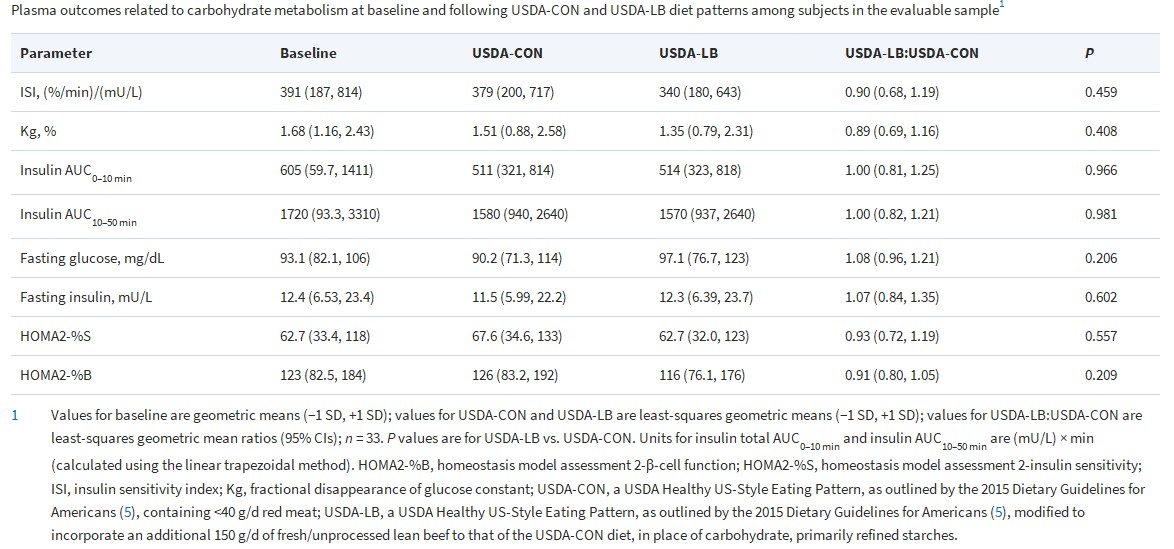
For decades there has been a statistical controversy about meat. By statistical I mean it was never a real health issue. Instead, though we clearly evolved to eat it, epidemiologists statistically correlated meat to dying and said therefore we shouldn't eat it. Though such studies noted down at the bottom that the relationship was not causal, they wanted the public to believe it because they highlighted the causal inference in press releases, and so media rushed to claim that meat causes heart attacks.

A few years ago, epidemiologists at France's International Agency for Research on Cancer (IARC) joined in, using their own meta-analyses to declare that meat was just as hazardous to health as plutonium. And smoking. And mustard gas.
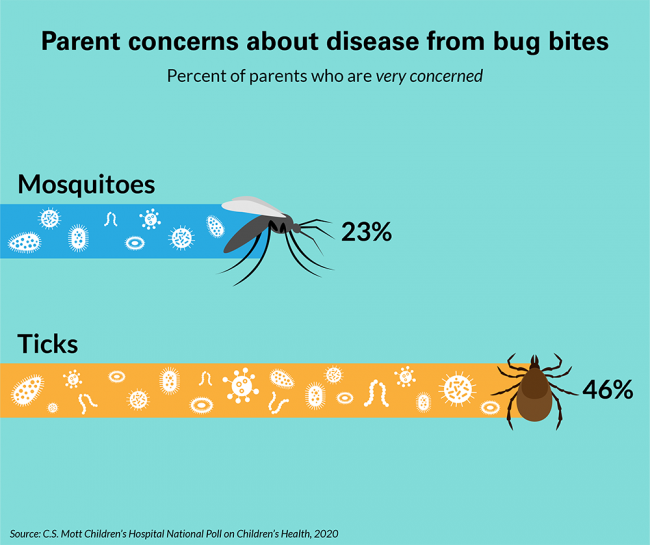
A few species of mosquitoes are nothing but carriers of disease, so pesticides were used to wipe them out in much of North America. Worldwide they remain a public health problem and while some ecologists claim a mythical (and scientifically debunked) 'balance of nature' and therefore insist Aedes aegypti might have some benefit, if we turned them extinct we'd have nothing but less  yellow fever, dengue fever, and Zika worldwide, the way we do in the U.S.
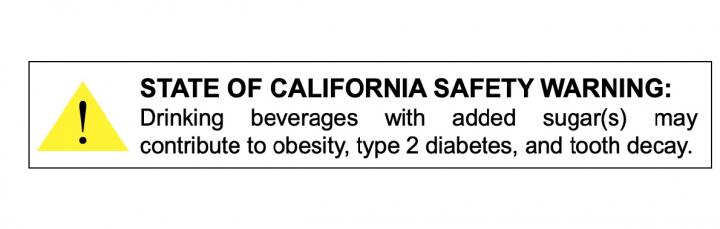
A team of epidemiologists who correlate specific types of calories, rather than simply too many calories, to obesity have written a new paper advocating for cigarette-style warning labels on soda. 
I live in California but my pre-Baby Boomer mother is still a Florida girl, ensconced in a nice house courtesy of my brother, with terrific neighbors who care a lot about her and kind people everywhere we go.