Fake Banner
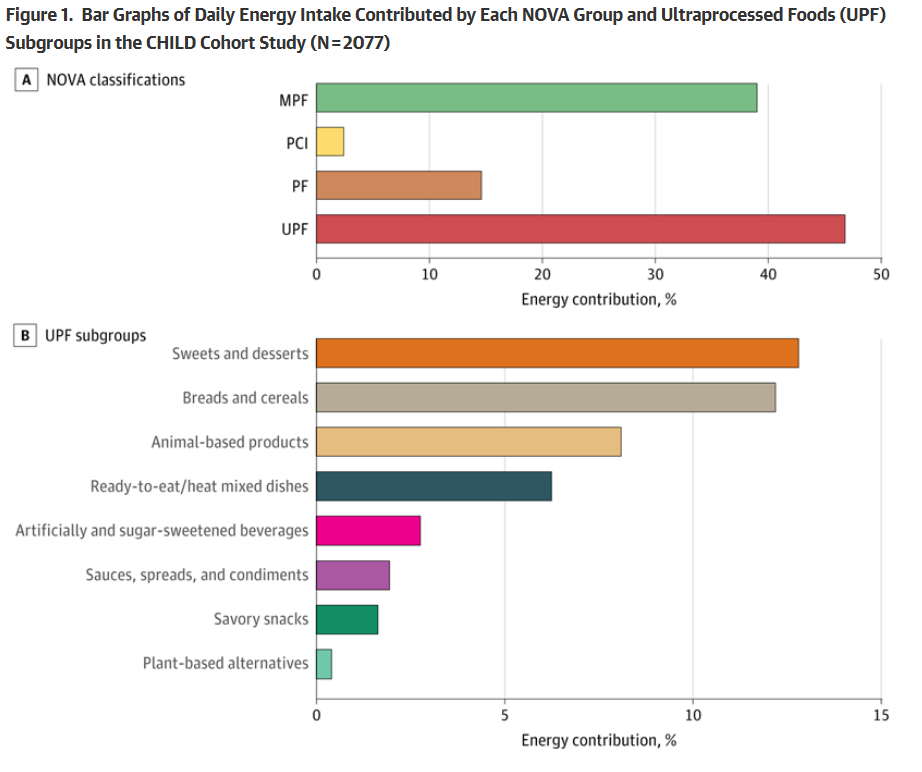
Canadian Epidemiologists Claim Processed Foods Cause Bad Kids

A cohort analysis of preschoolers in Canada has led the authors of the paper to call for bans...
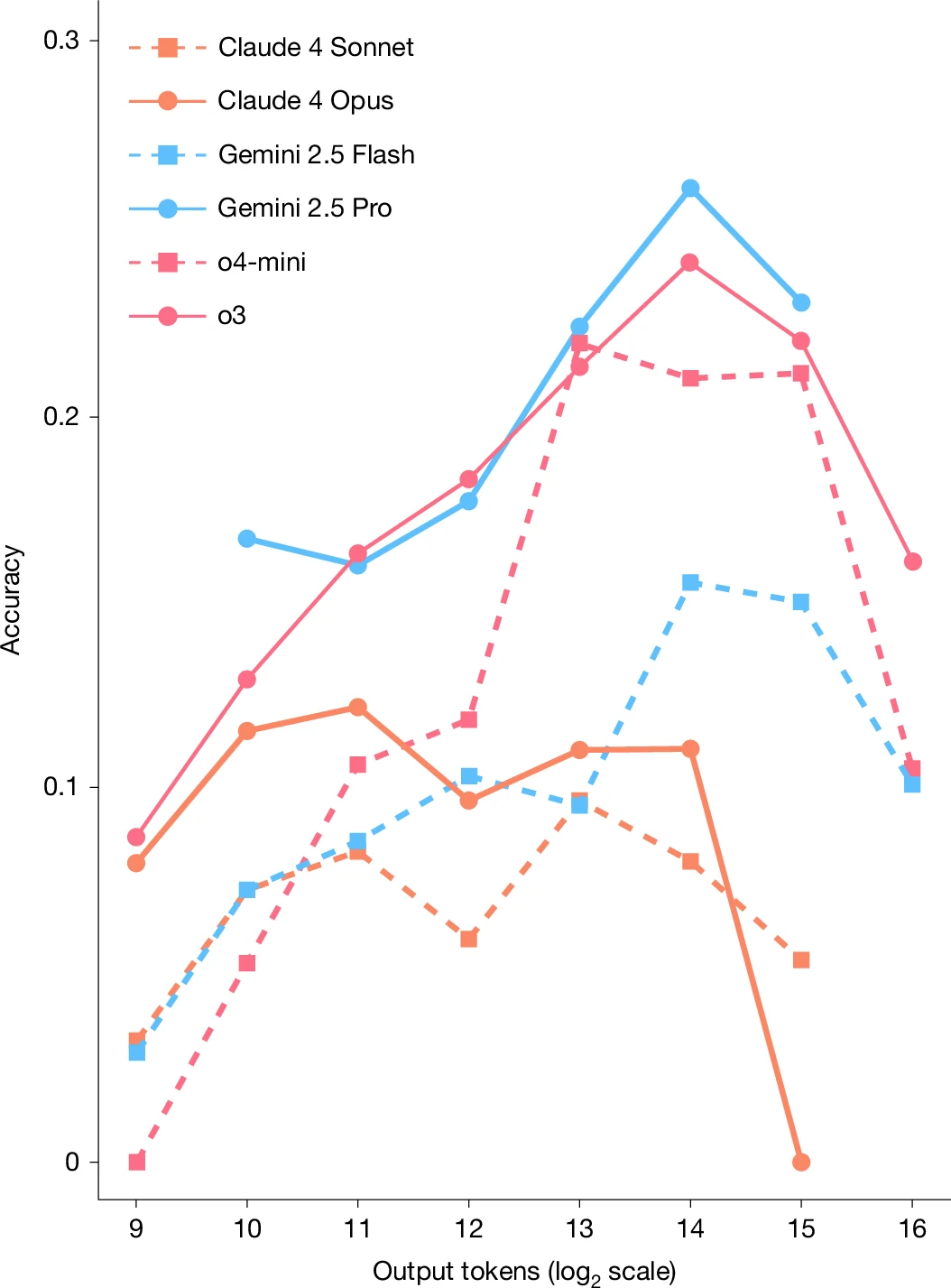
What AI Can't Do: Humanity’s Last Exam

By this time 26 years ago, the "Dot-Com Bubble" was ready to burst. People who wanted to raise...

Does NBA Income Inequality Impact Team Performance?

A new paper says that players where a few superstars get the money leads to less cooperation and...
Dogs And Coffee: Finally, Epidemiology You Can Trust

In 2026, it is easy to feel intellectually knocked around by all of the health claims you read...

User picture.
picture for picture for Tommaso Dorigopicture for Fred Phillipspicture for Hontas Farmerpicture for Atreyee Bhattacharyapicture for Patrick Lockerby
Hank CampbellRSS Feed of this column.

I founded Science 2.0® in 2006 and since then it has become the world's largest independent science communications site, with over 300,000,000 direct readers and reach approaching one billion. Read More »

Blogroll
2020 started out being a weird and devastating way to end the decade yet we naively thought those Australian wildfires were as bad as it could get.

Now people outside that country barely remember they happened. Because then we got coronavirus. Luckily, we dodged the murder hornets but then went right to race wars. New York, the city, county, and state, has had the worst of both COVID-19(1) and the looting, but fear not Manhattan, June is probably as bad as it gets for 2020. 

Well, maybe, unless July really has a surprise in store.

In November of 2019 The Atlantic asked "experts" what they would change if they could go back in time. The experts had titles like "mythographer" - no scientists invited - so it's no surprise only one response had real-world relevance.(1) A historian at Rutgers wished agriculture had never been invented. Agriculture, that fundamental progressive achievement which made food plentiful so that we no longer spent our days foraging and could learn things and, you know, create universities, had to be undone.
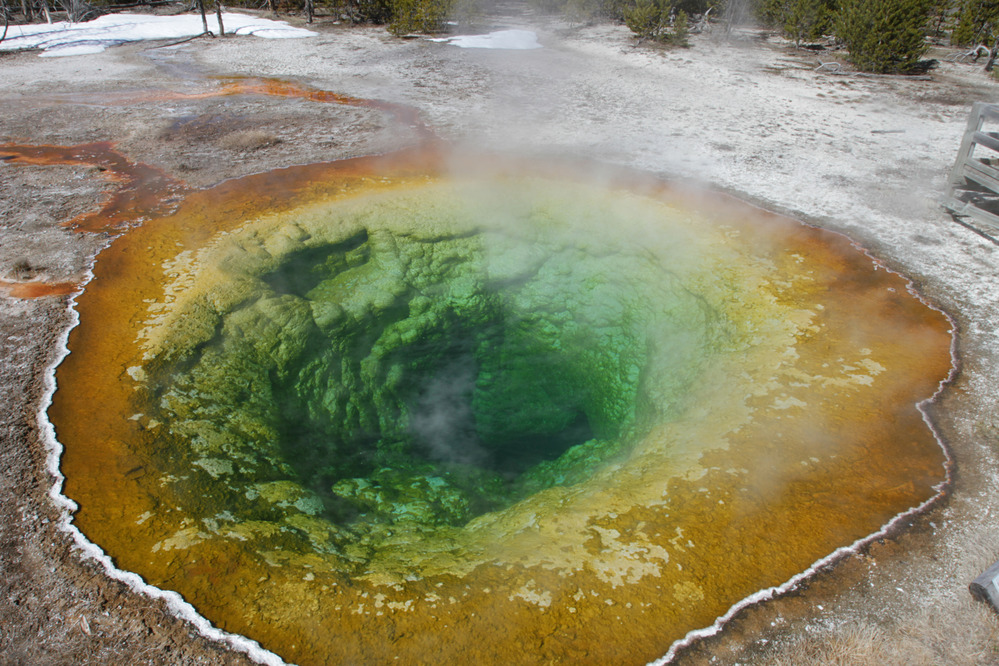
From Australian wildfires to COVID-19 to murder hornets to race wars in Manhattan, 2020 looks to be a challenging year. It could still get worse, but science shows it won't be due to Yellowstone blowing its top. 

Yellowstone is one of those scenarios doomsday "preppers" worry about. They are right to be concerned if it does happen, but they don't understand hazard (what could happen) and risk (the likelihood of the hazard) any better than environmentalists worrying about weedkillers do. 
The antimalarial drug chloroquine (analogue hydroxychloroquine) is also successfully used to treat lupus, rheumatoid arthritis, and autoimmune diseases said to have similar biological mechanisms as COVID-19 and, lacking any remedies besides what can be done for the flu, in March the U.S. Food and Drug Administration (FDA) granted emergency use authorization for those compounds as treatments.
Thanks to COVID-19, the public has gotten a lot more skeptical about claims that chemicals, food, and medicine are corporate conspiracies created to replace natural products that worked just fine. Even more ridiculous has been the belief that millions and millions of people are dying from these newer products even though there are no bodies to be found.

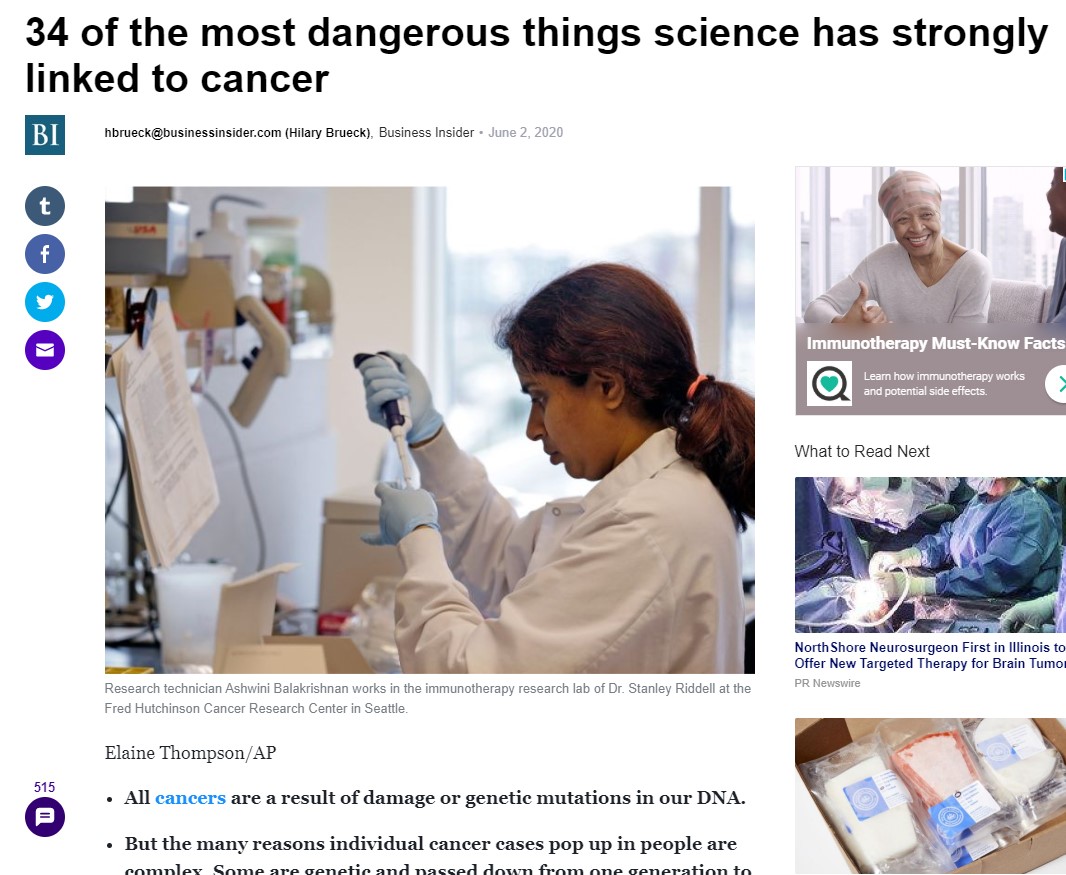
Science is back, and that may be why Business Insider published what can perhaps be described as an advertorial for environmental groups who have to be sweating now that their campaigns against the modern world are being laughed at.
The flu kills over 600,000 people each year and in 2020 another virus exploded in public health circles for the third time in 17 years; coronavirus.

SARS-CoV-2, which causes the COVID-19 disease, has killed nearly 400,000, and given the risk factors it is hard to say how many would have been killed by any respiratory disease, but one question is not philosophical: is this the new normal?