Fake Banner
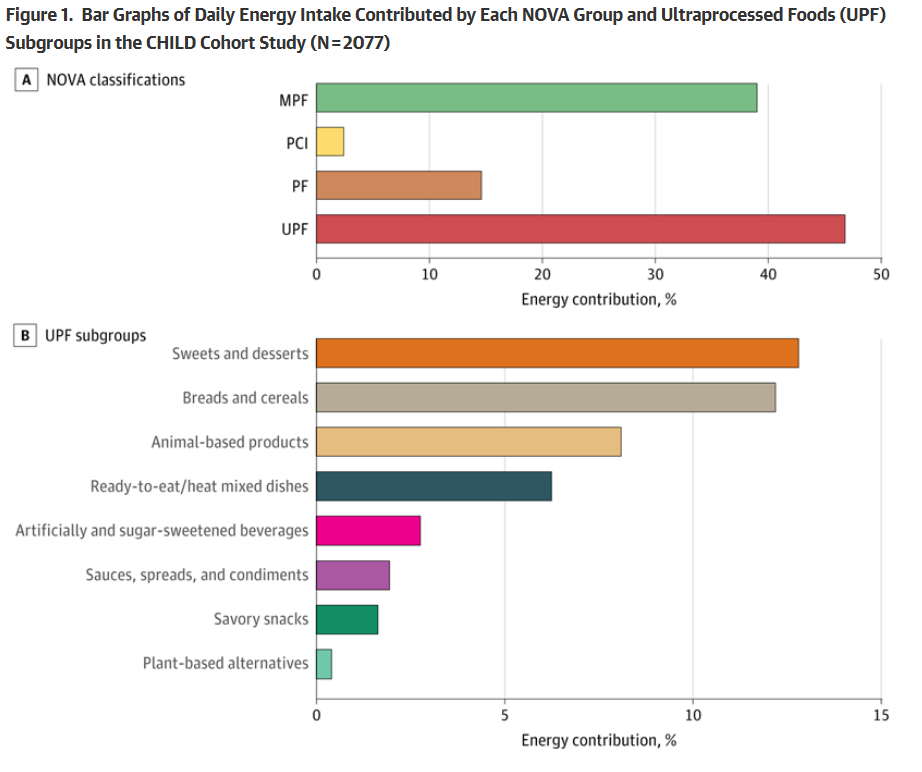
Canadian Epidemiologists Claim Processed Foods Cause Bad Kids

A cohort analysis of preschoolers in Canada has led the authors of the paper to call for bans...
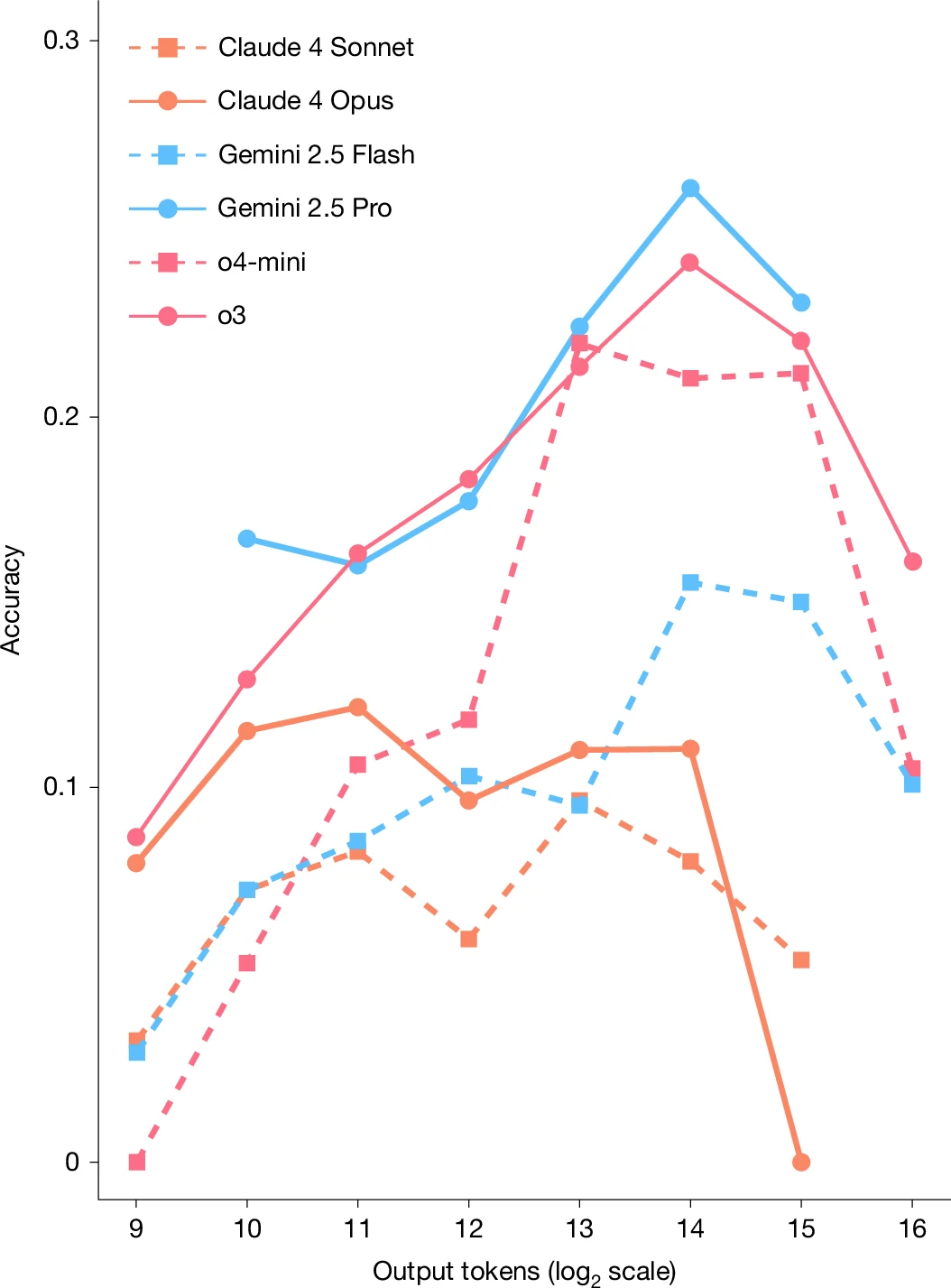
What AI Can't Do: Humanity’s Last Exam

By this time 26 years ago, the "Dot-Com Bubble" was ready to burst. People who wanted to raise...

Does NBA Income Inequality Impact Team Performance?

A new paper says that players where a few superstars get the money leads to less cooperation and...
Dogs And Coffee: Finally, Epidemiology You Can Trust

In 2026, it is easy to feel intellectually knocked around by all of the health claims you read...

User picture.
picture for picture for Tommaso Dorigopicture for Fred Phillipspicture for Hontas Farmerpicture for Atreyee Bhattacharyapicture for Patrick Lockerby
Hank CampbellRSS Feed of this column.

I founded Science 2.0® in 2006 and since then it has become the world's largest independent science communications site, with over 300,000,000 direct readers and reach approaching one billion. Read More »

Blogroll
A study has taken a look at the radii of homes with measured data near natural gas wells and statistically linked that to higher radon.

While some in media will use that to sound this week's 'science is killing us' alarm, the reality is that something that is not a concern is being linked to something else not a concern. 
A recent review of meta-analyses and 277 randomized controlled trials--in which nearly 1 million adults participated--to find out how various nutritional supplements and diets influenced mortality rates and cardiovascular outcomes found...not much.
Sometimes pop culture becomes fact for the public. When the climate disaster film "The Day After Tomorrow" came out, journalists bizarrely started referencing it as a real climate change scenario, and now that Netflix, the home of anti-science sentiment among streaming services(1), has "Chernobyl" available, people think that is creating mutants.(2)
Population level metrics such as Body Mass Index (BMI) or statistical correlation using epidemiology don't do much to inform individual experience, and psychology faces the same issue. Surveys can tell us whatever surveys can tell us about what a particular group of people taking surveys think, but there is a reason that no polling group does well with Congressional districts that are contentious. It simply doesn't work. As we learned when we first believed the anti-vaccine problem was a fringe religious issue, what people claim on surveys is not their behavior.(1)
In modern American culture, two exploratory fields in science compete to scare the public or suggest the promise of miracle cures; epidemiology and studies in mice.
Though Europe and Asia still smoke far more cigarettes than intelligent people should, and therefore cancer rates due to that will stay high for another 20 years or more, the clear trend in lifestyle diseases is obesity-related ones.

That is actually a win, and far better than the bleak Population Bomb promoted by people like John Holdren and Paul Ehrlich just a few decades ago. Though there is still famine in parts of the world, they are parts of the world where groups opposed to science can manipulate people who don't trust outsiders or understand the technology, no differently than than distrust vaccines. The peaks and valleys of food have leveled out so famine is only going to decrease.