Fake Banner
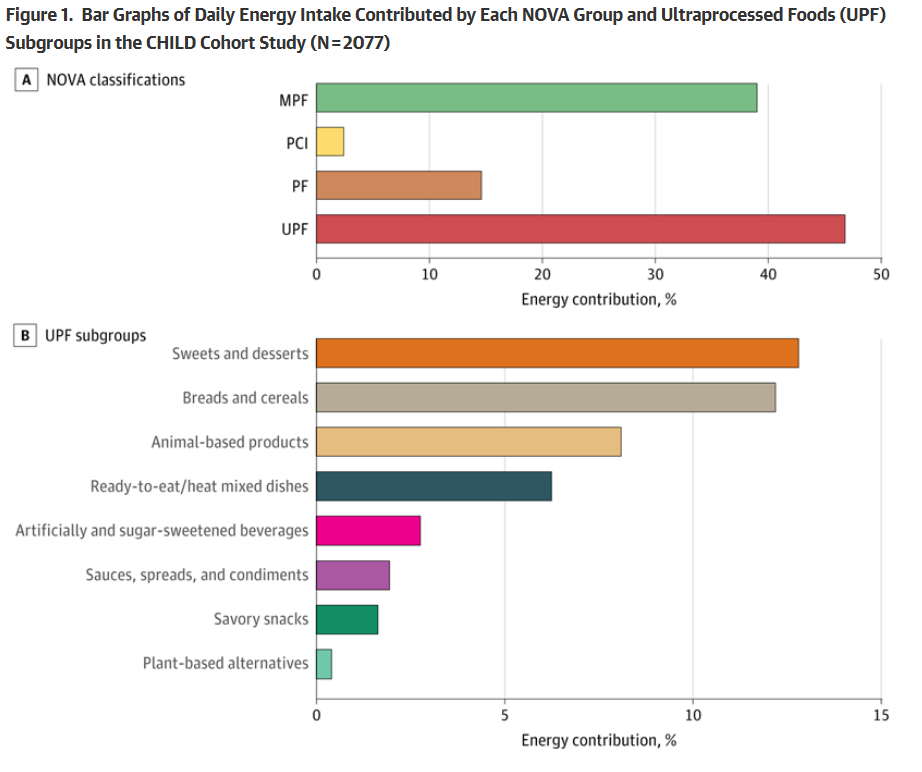
Canadian Epidemiologists Claim Processed Foods Cause Bad Kids

A cohort analysis of preschoolers in Canada has led the authors of the paper to call for bans...
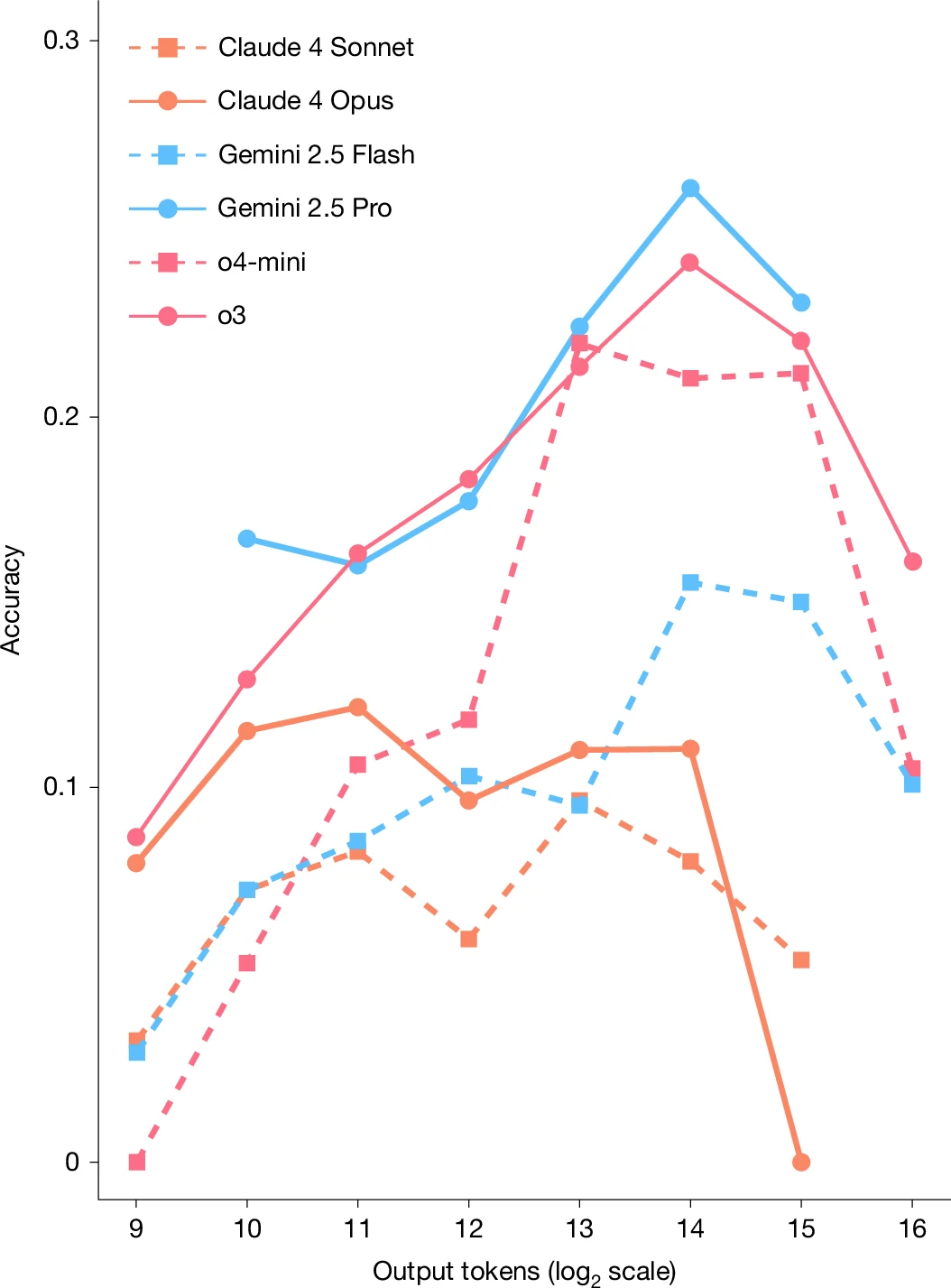
What AI Can't Do: Humanity’s Last Exam

By this time 26 years ago, the "Dot-Com Bubble" was ready to burst. People who wanted to raise...

Does NBA Income Inequality Impact Team Performance?

A new paper says that players where a few superstars get the money leads to less cooperation and...
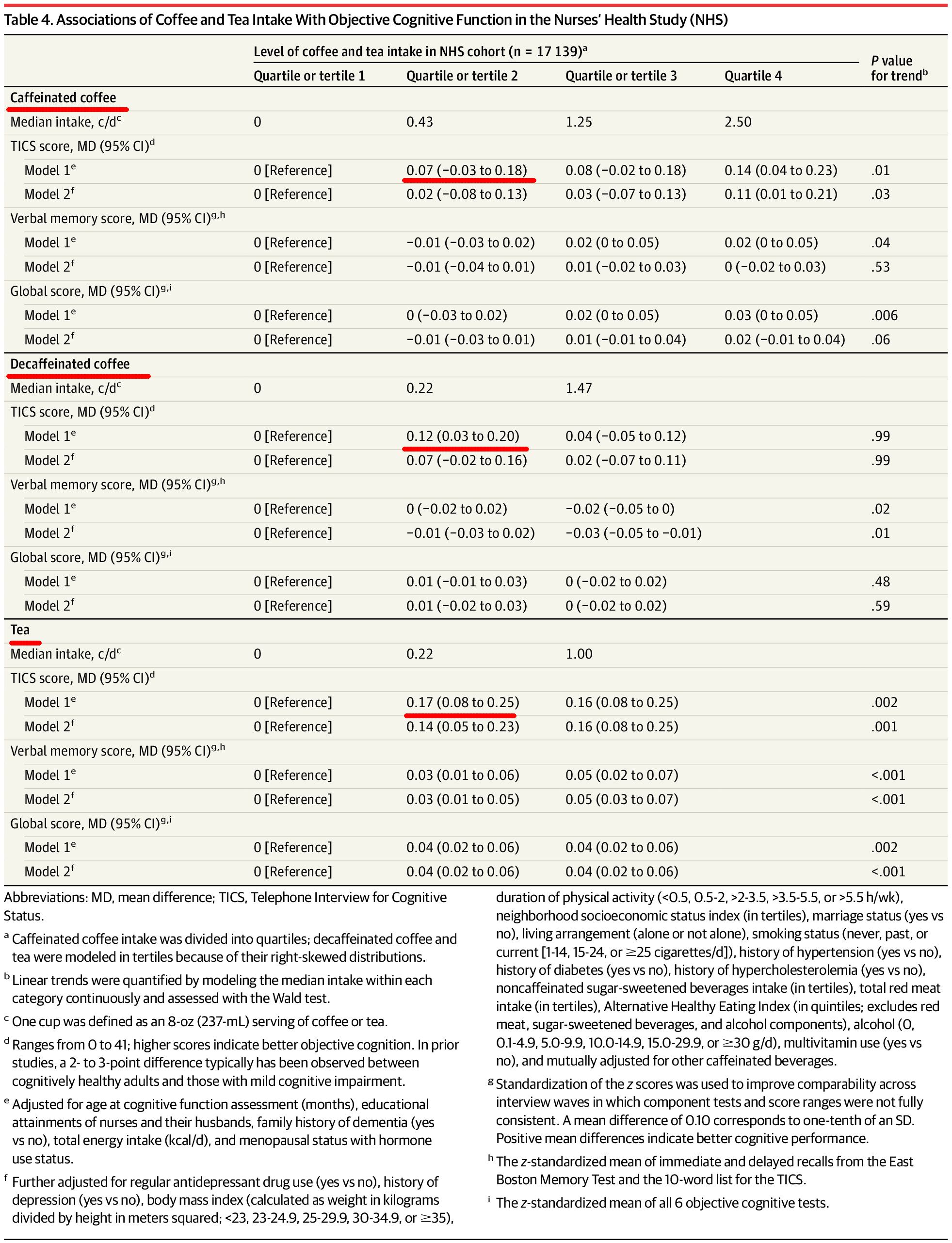
Dogs And Coffee: Finally, Epidemiology You Can Trust

In 2026, it is easy to feel intellectually knocked around by all of the health claims you read...

User picture.
picture for picture for Tommaso Dorigopicture for Fred Phillipspicture for Hontas Farmerpicture for Atreyee Bhattacharyapicture for Patrick Lockerby
Hank CampbellRSS Feed of this column.

I founded Science 2.0® in 2006 and since then it has become the world's largest independent science communications site, with over 300,000,000 direct readers and reach approaching one billion. Read More »

Blogroll
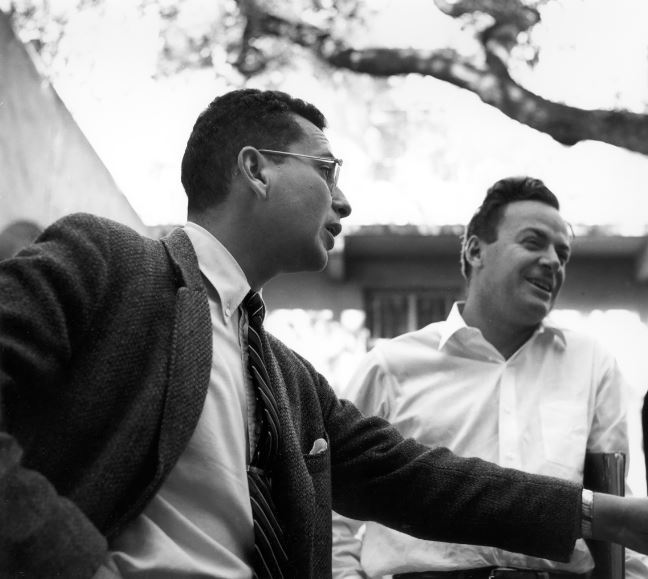
RIP to Professor Murray Gell-Mann, who passed away last week and was famed (including a Nobel prize) for quark theory. 

I never met him, but if you spent time at Caltech you probably did. He was not like Einstein, I am told, he was approachable if you were a young scientist, but you had to know what you were talking about. 

A few years ago I taught a class there, invited by my friend the best-selling author and science journalist Greg Critser, who was an instructor for science journalism at the school. He had previously agreed to be on an AAAS panel I was moderating in San Francisco and I was returning the favor for him by being a guest speaker for his class at Caltech.
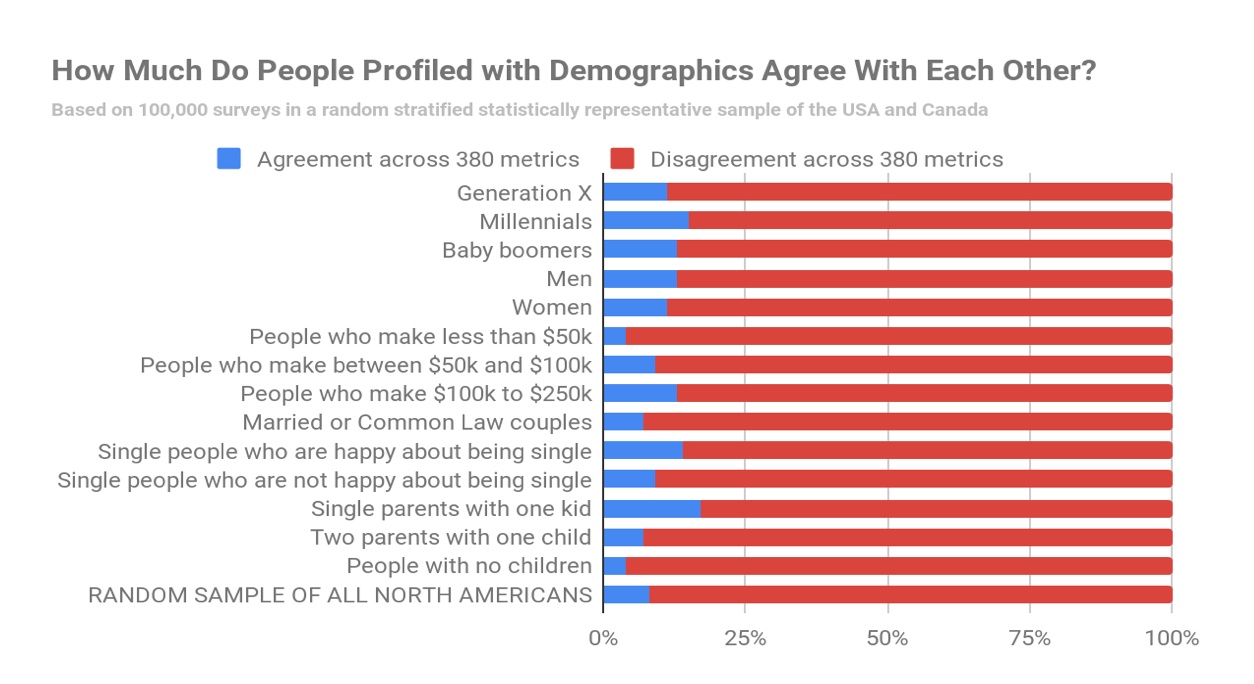
If you want to annoy someone in their late 30s, joke that all they care about are avocado toast points or beard grooming or running off to Coachella when a project needs to be finished. Because they are millennials.

You can also stereotype Baby Boomers or Generation X(1) and get a rise out of them. Everyone seems to know that these "generation" classifications were entirely manufactured by advertisers, but they caught on and have become part of the lexicon. Advertisers created these sweeping generalizations based on demographics.

Yet they may not be right at all. They may even be shockingly wrong.
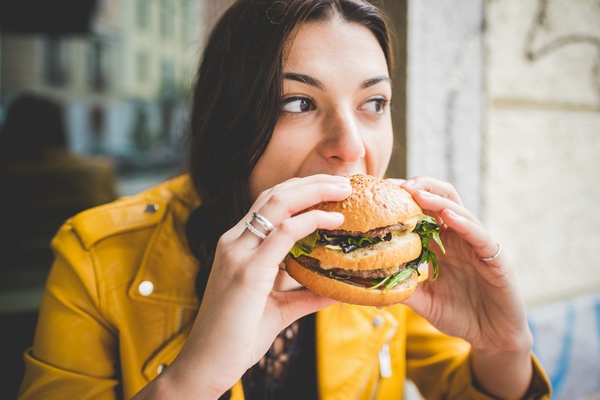
If you have cooked a steak or a hamburger you know that by the time you are ready to serve it, and certainly after you cut or bite into it, there will be liquid that oozes out of it. 

Anti-meat groups know it isn't blood(1) but they use that imagery to try and sway people to their cause. And groups who make substitutes for meat also use that imagery, because they think that's important to meat eaters. Because marketing groups have long used it, people think it's blood, and even use the term "bloody."
Beinecke MS 408, commonly called the Voynich manuscript (after Wilfrid Voynich, a book dealer who bought it in Italy), has long been dismissed as gibberish by most, but beginning in 1915, and certainly since the 1960s, it has also been a source of fascination for people who believe it must be a code. Or a recipe book. Or something. It is actually a proto-Romance language, according to a new paper. It just had never been written before because educated people used Latin, says Dr. Gerard Cheshire.

So uneducated people wrote in a language from 2000 years earlier?
Homeopathy, now two centuries old, proceeds from a fascinatingly bizarre premise; that there is a u-shaped curve for dose. Reasonable people know the dose makes the poison; a medicine that can help you at normal levels can be harmful at high levels. 

Homepaths (and the Endocrine Disrupting Chemical community) instead also believe in an upward curve at other end, that chemicals at extremely low levels can also affect people. This u-shaped curve allows all manner of homeopathic "remedies" to be foisted off on people, not to mention allowing anti-science activists to attribute magical statistical harms to chemicals that science can't detect.
Glyphosate, a common weedkiller, doesn't have a mechanism that acts on the biology of humans, at least without falling into a tub full of it and drowning, but trial lawyers know science does not matter to a jury, emotion does. And emotionally an agriculture company can come off stiff compared to a couple who used the product for 35 years and then both got non-Hodgkin lymphoma.