Fake Banner
Canadian Epidemiologists Claim Processed Foods Cause Bad Kids

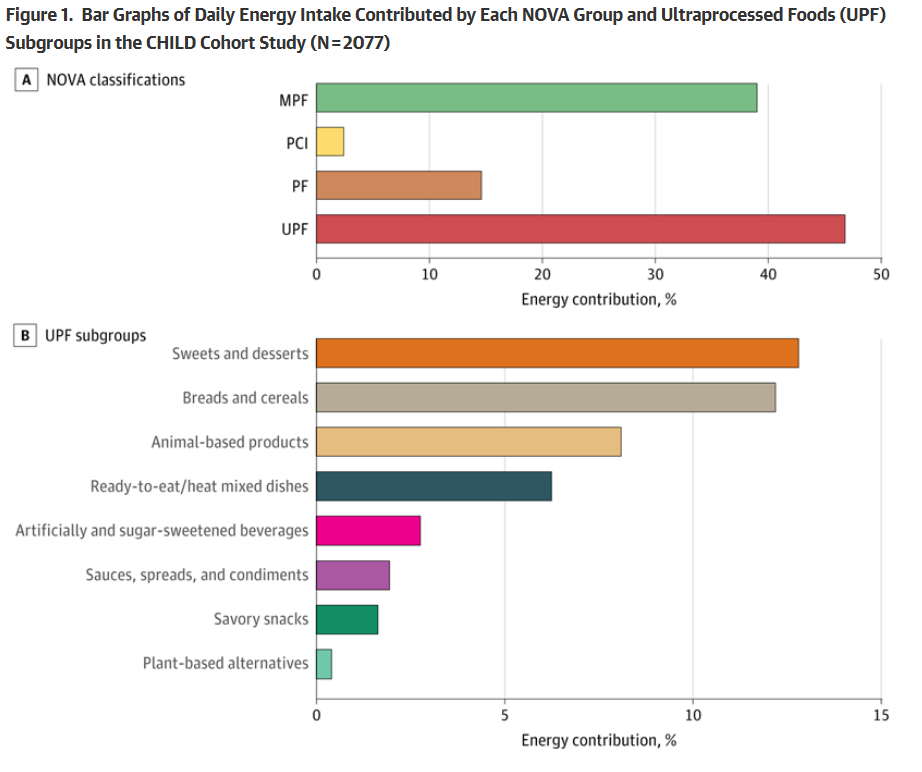
A cohort analysis of preschoolers in Canada has led the authors of the paper to call for bans...
What AI Can't Do: Humanity’s Last Exam

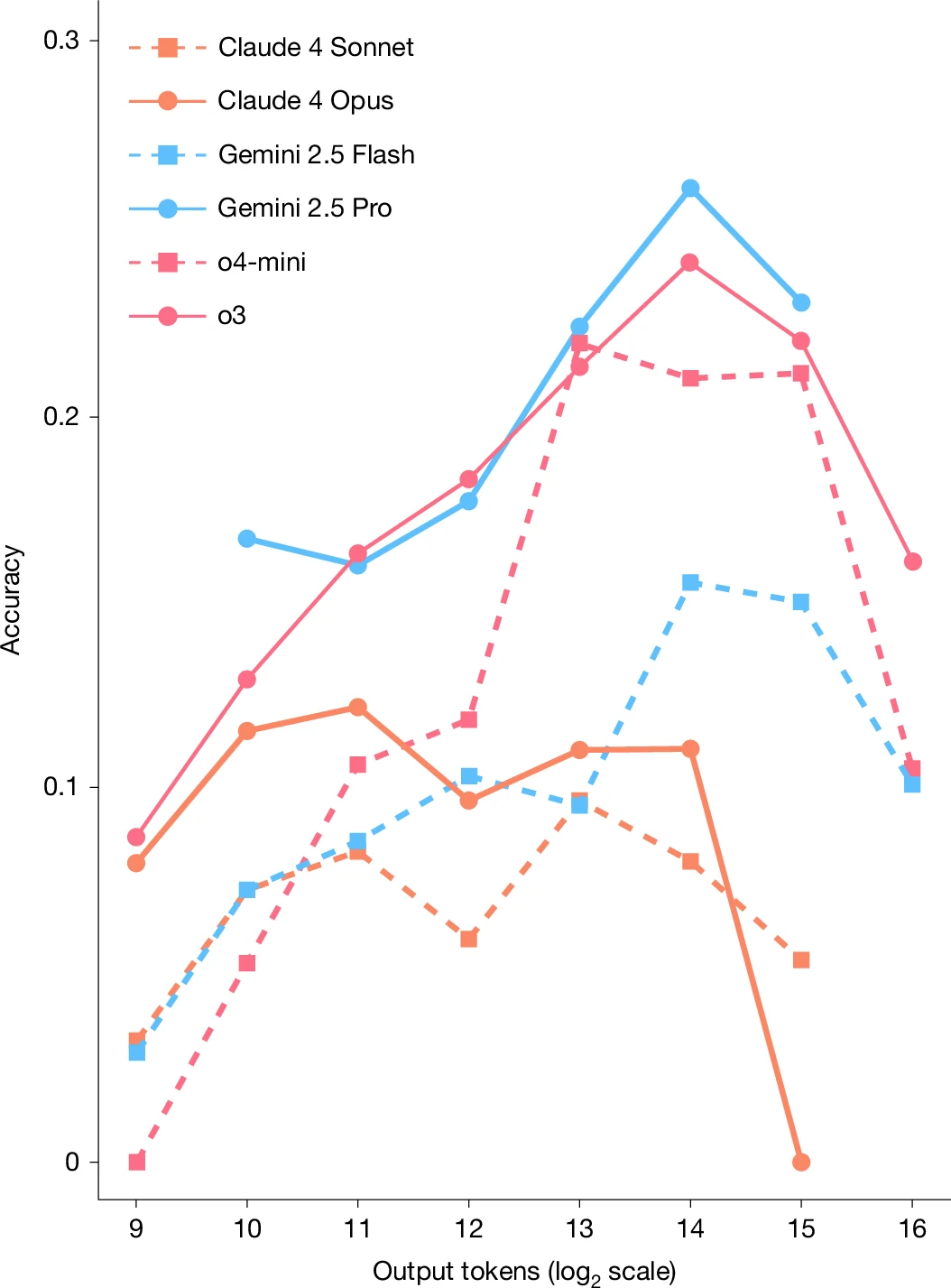
By this time 26 years ago, the "Dot-Com Bubble" was ready to burst. People who wanted to raise...

Does NBA Income Inequality Impact Team Performance?

A new paper says that players where a few superstars get the money leads to less cooperation and...
Dogs And Coffee: Finally, Epidemiology You Can Trust

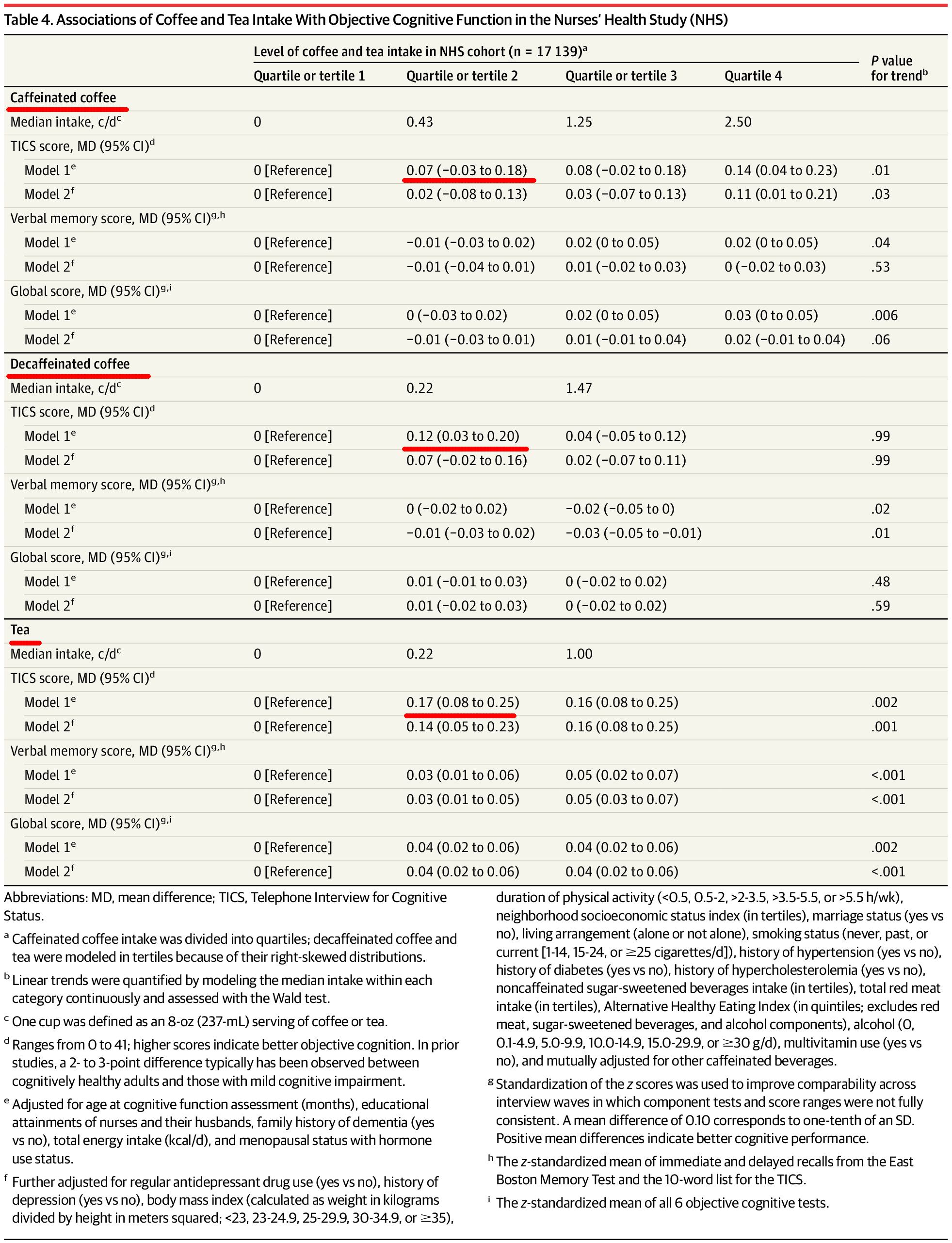
In 2026, it is easy to feel intellectually knocked around by all of the health claims you read...

User picture.
picture for picture for Tommaso Dorigopicture for Fred Phillipspicture for Hontas Farmerpicture for Atreyee Bhattacharyapicture for Patrick Lockerby
Hank CampbellRSS Feed of this column.

I founded Science 2.0® in 2006 and since then it has become the world's largest independent science communications site, with over 300,000,000 direct readers and reach approaching one billion. Read More »

Blogroll
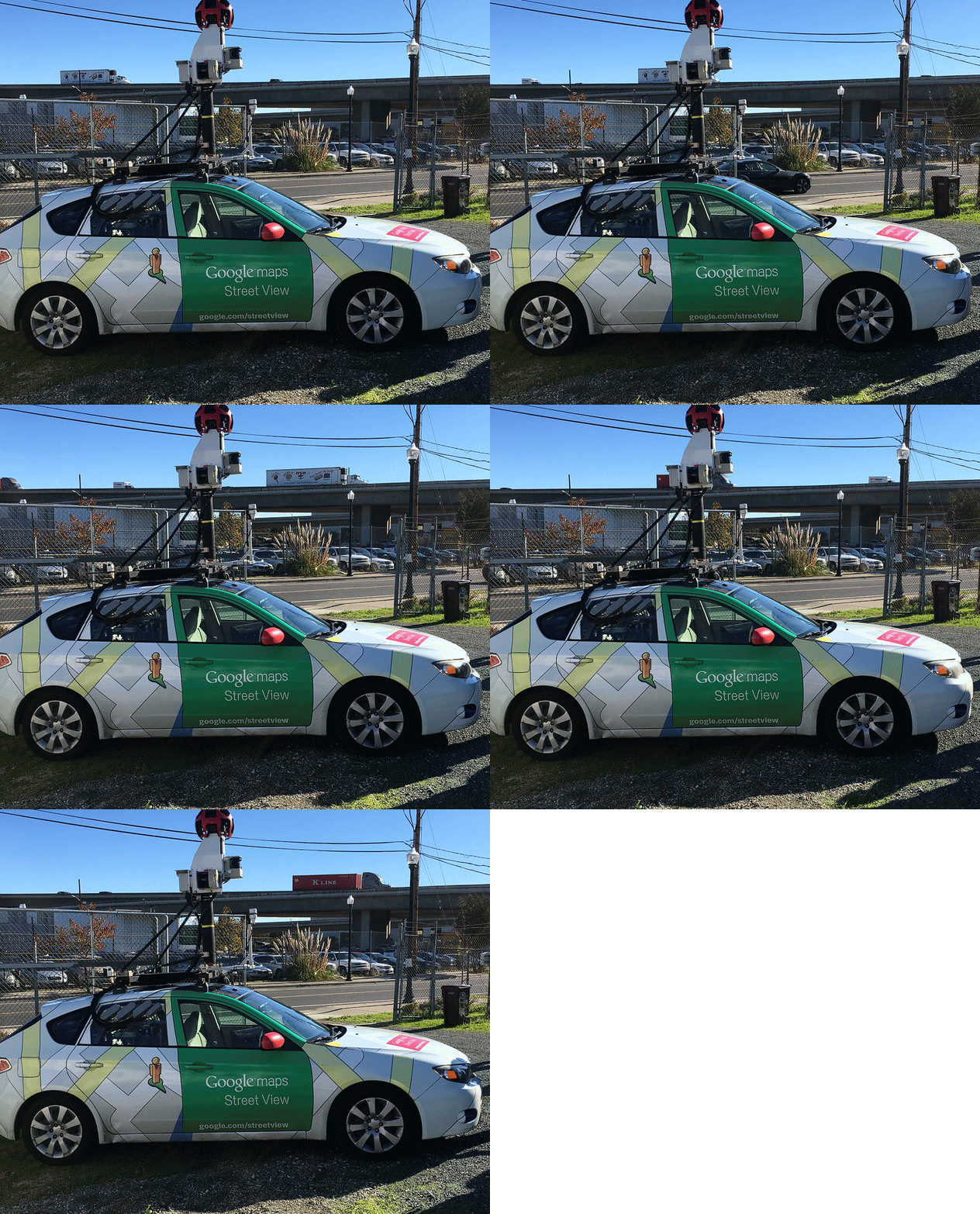
Industrial processes in the United States produce 8 gigagrams of methane emissions per year, according to experts. But Environmental Defense Fund, using a sensor on a Google street view car, is claiming otherwise in a recent article they paid to publish in a small Berkeley-based journal (Elementa: Science of the Anthropocene) that promotes stories about how humans are killing the planet.
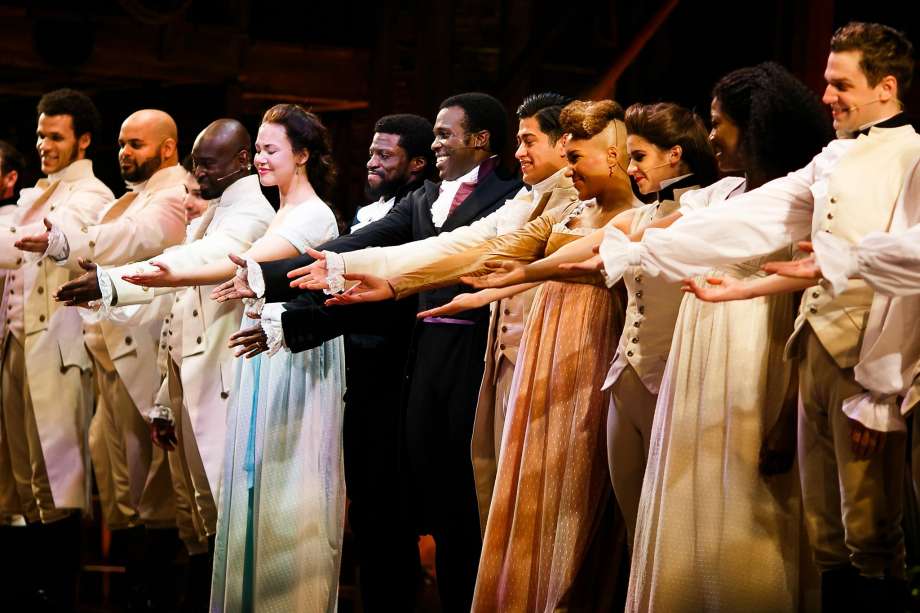
When you think "Hamilton" in 2019, you think $800 tickets to a Broadway show in Manhattan, and when you think Manhattan, you think urban wealthy elites and the denial of science that seems to go with it.

Not so for "Hamilton" producer Jeffrey Seller and Broadway photographer Josh Lehrer, who are instead funding efforts to use science to clone and plant 100 of the world's oldest and largest trees, called Champion Trees. Like California Redwoods.
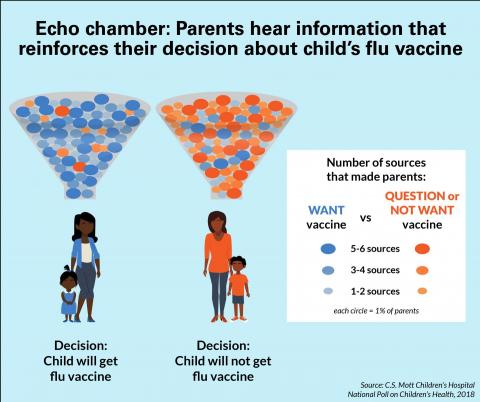
From herbicides to vaccines to pollution, there is a science consensus but there are still pockets of people who refuses to accept them. They are bolstered by disinformation campaigns. When it comes to food or what car to drive, the difference is higher cost or kicking the pollution can down the road for future generations to solve, but vaccine denial is harming people with immune issues right now. 
Many American journalists have dispatched any pretense of objectivity, according to a new think tank report.
After attracting scorn with bizarre classifications of a weedkiller, bacon, and hot tea, the French statistics group known as the International Agency for Research on Cancer (IARC) decided to puncture claims that activists had manipulated the process by doing a flip-flop on coffee. Though they were widely expected to increase the hazard designation from 1991's already bizarre "possibly carcinogenic", they suddenly reversed course and lowered a classification of a product for the very first time. 
Pop culture is in a bit of a quandary. Though food is essential for life, culturally it is no longer a basic necessity, and that's thanks to science. We grow more food on less land than ever dreamed possible. Even Europe, with all its political limitations in agriculture. Food is a cheap commodity and that makes it a values issue.