Fake Banner
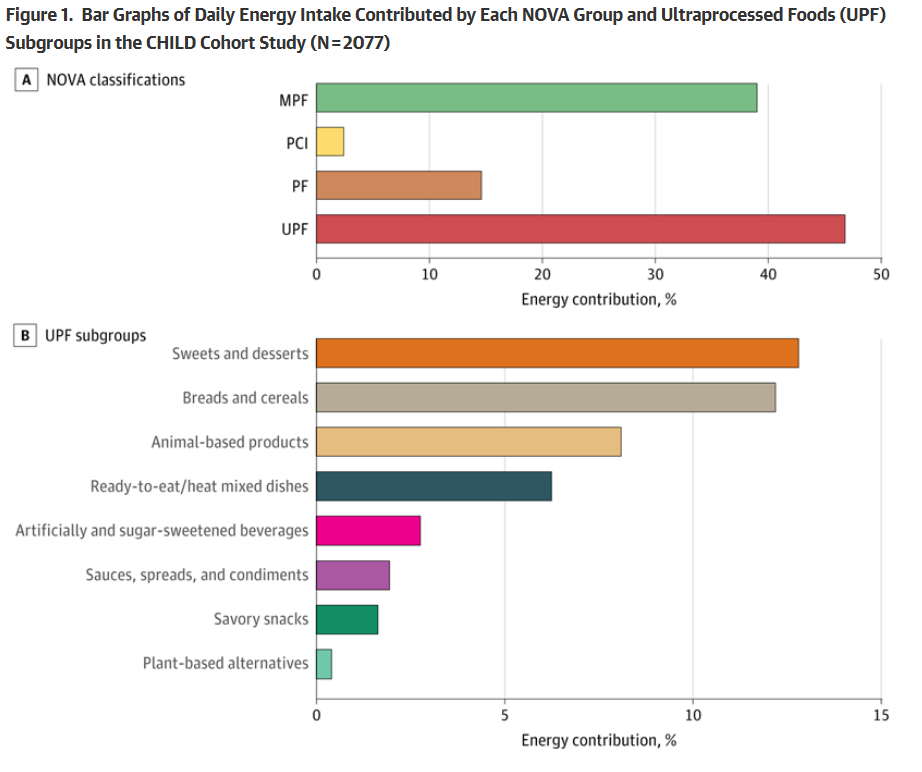
Canadian Epidemiologists Claim Processed Foods Cause Bad Kids

A cohort analysis of preschoolers in Canada has led the authors of the paper to call for bans...
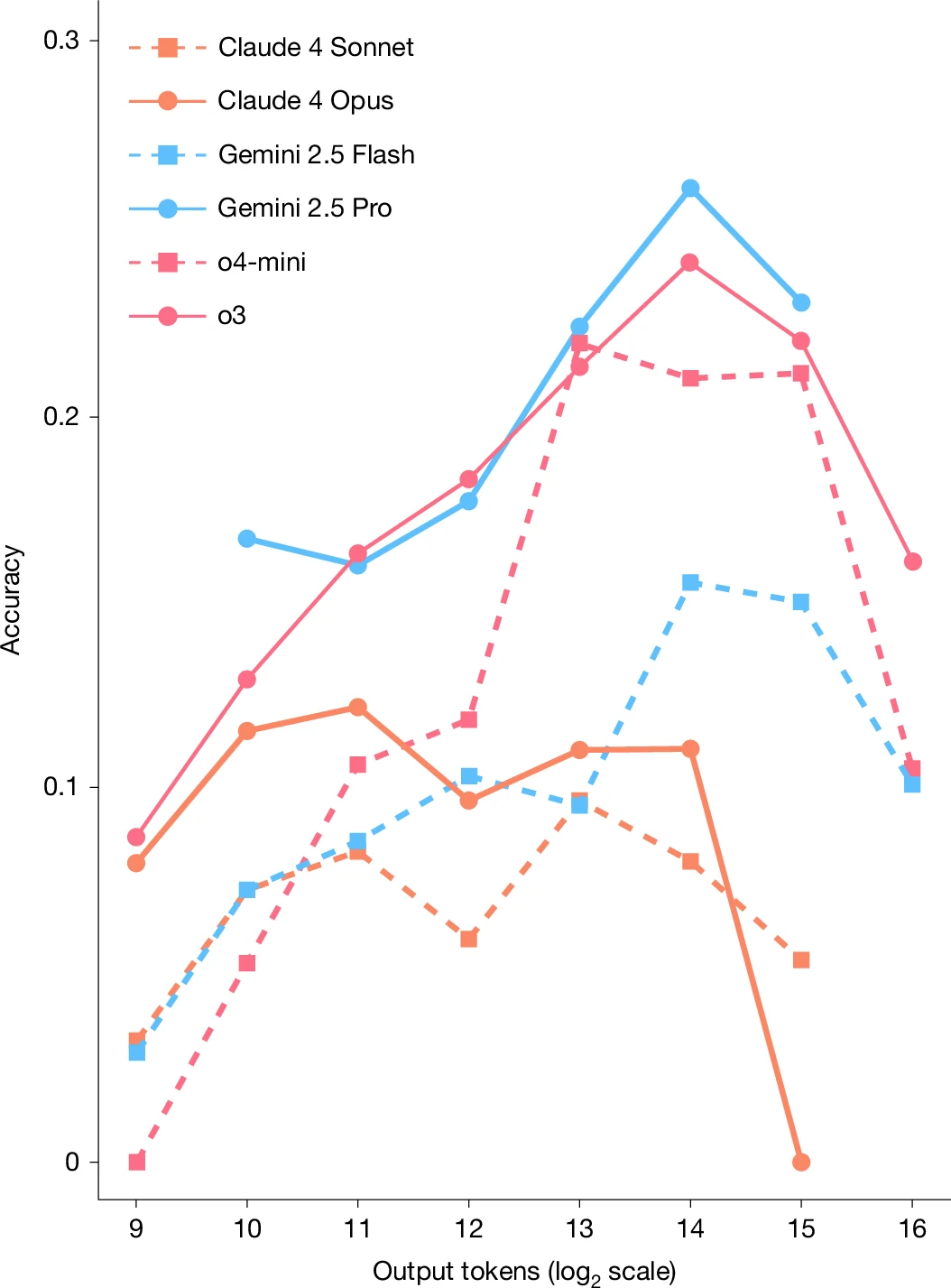
What AI Can't Do: Humanity’s Last Exam

By this time 26 years ago, the "Dot-Com Bubble" was ready to burst. People who wanted to raise...

Does NBA Income Inequality Impact Team Performance?

A new paper says that players where a few superstars get the money leads to less cooperation and...
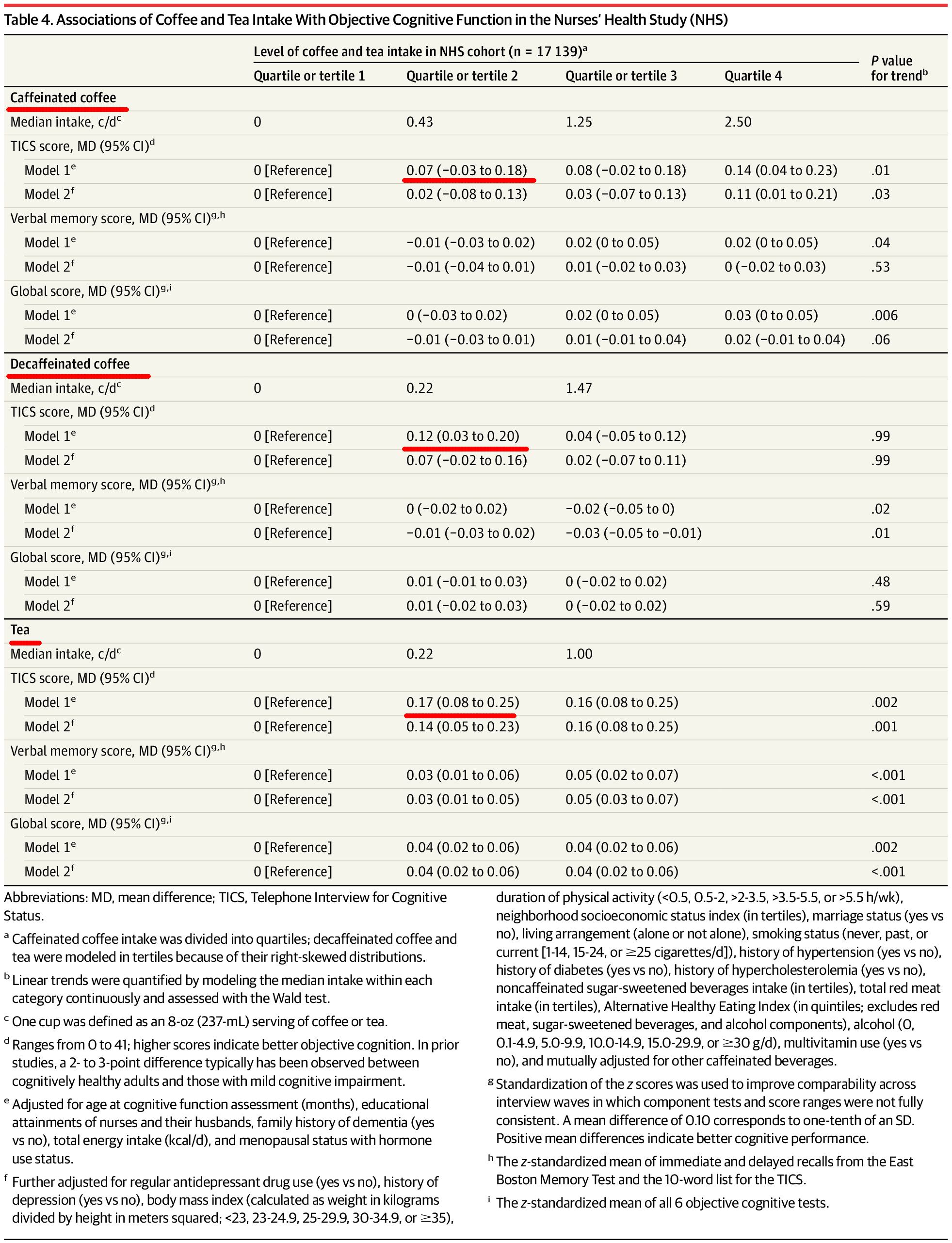
Dogs And Coffee: Finally, Epidemiology You Can Trust

In 2026, it is easy to feel intellectually knocked around by all of the health claims you read...

User picture.
picture for picture for Tommaso Dorigopicture for Fred Phillipspicture for Hontas Farmerpicture for Atreyee Bhattacharyapicture for Patrick Lockerby
Hank CampbellRSS Feed of this column.

I founded Science 2.0® in 2006 and since then it has become the world's largest independent science communications site, with over 300,000,000 direct readers and reach approaching one billion. Read More »

Blogroll
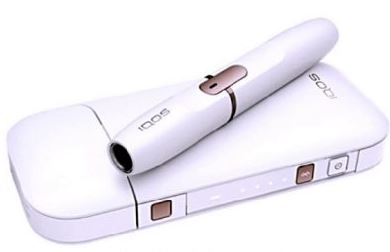
Just over a year ago I testified before a Food and Drug Administration advisory panel in support of the iQOS device, a smoking replacement tool that heats tobacco but doesn't ignite it.
There is a big difference between a trial lawyer convincing a jury in one of America's most anti-science regions that an herbicide that only acts on plants might be able to cause human cancer, and scientists with knowledge of chemistry, biology, and toxicology who know better.
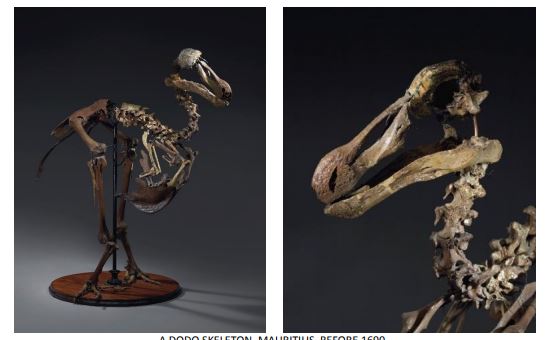
Cows and chickens will never go extinct because they are food, and some useless critters like Aedes aegypti have managed to tough it all despite being just disease vectors. For everything else, it can be a crap shoot. Nature is out to kill us all.
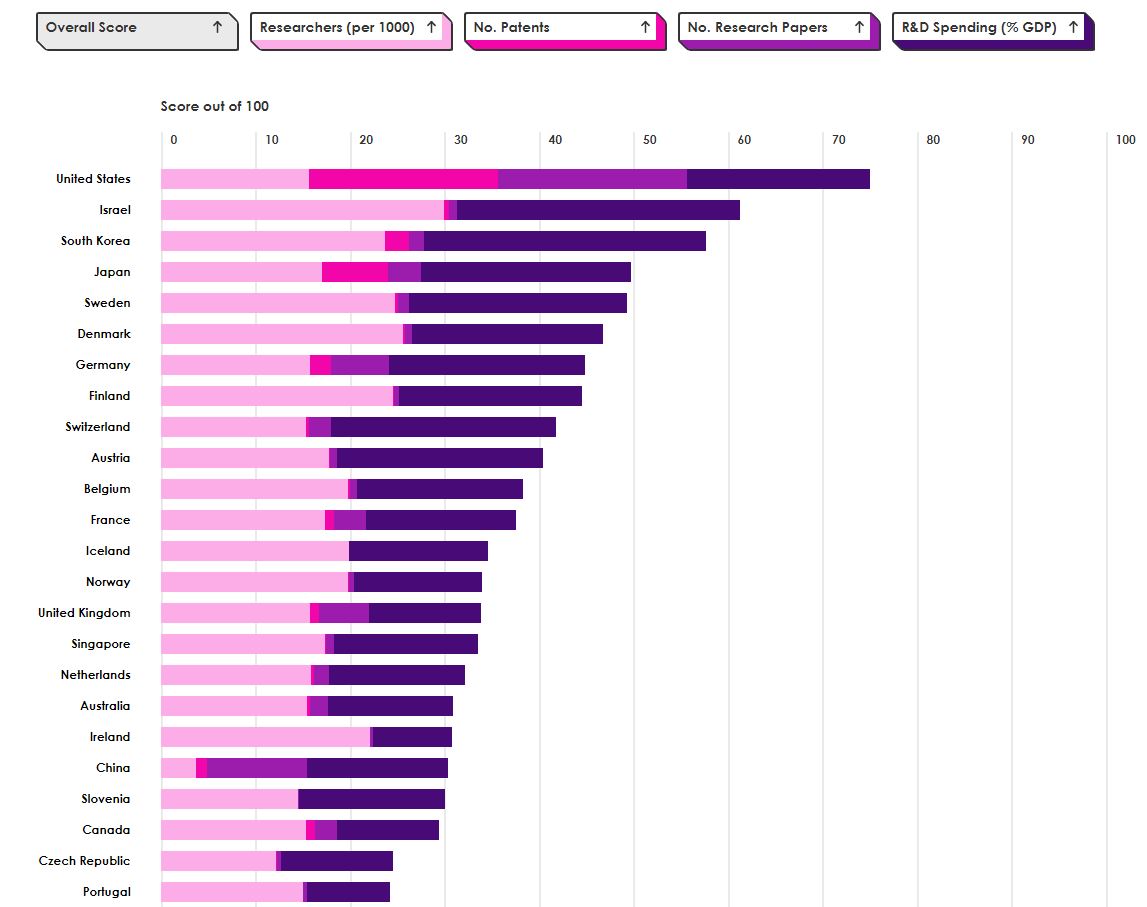
A new index of scientific output has been released and it finds that the United States continues to dominate in research, bolstered by the private sector accounting for nearly 70 percent of science funding, where most other developed countries instead rely on government.

The analysis factored in the number researchers as percentage of population, patents, papers released, and GDP spending. 
When we think of Mt. Everest, it's usually imagery like Sir Edmund Hillary and his guide Tenzing Norgay in parkas and with oxygen tanks making the hazardous 29.000 climb. And then there are the dead bodies, nearly 300 of them, those who perished on the trek to the summit.

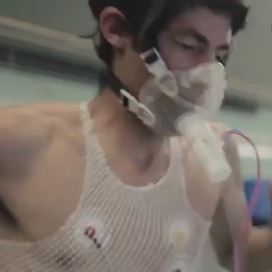
What we don't think of is a man running, yet that is what Kilian Jornet Burgada did part of the way in famous photos - and then after 26 hours and 31 minutes, the fastest climb ever(1), he came back down, rested, and did it again, all within a week.

Poor people live in areas with more pollution, but pollution is relative in 2019.