Fake Banner
Canadian Epidemiologists Claim Processed Foods Cause Bad Kids

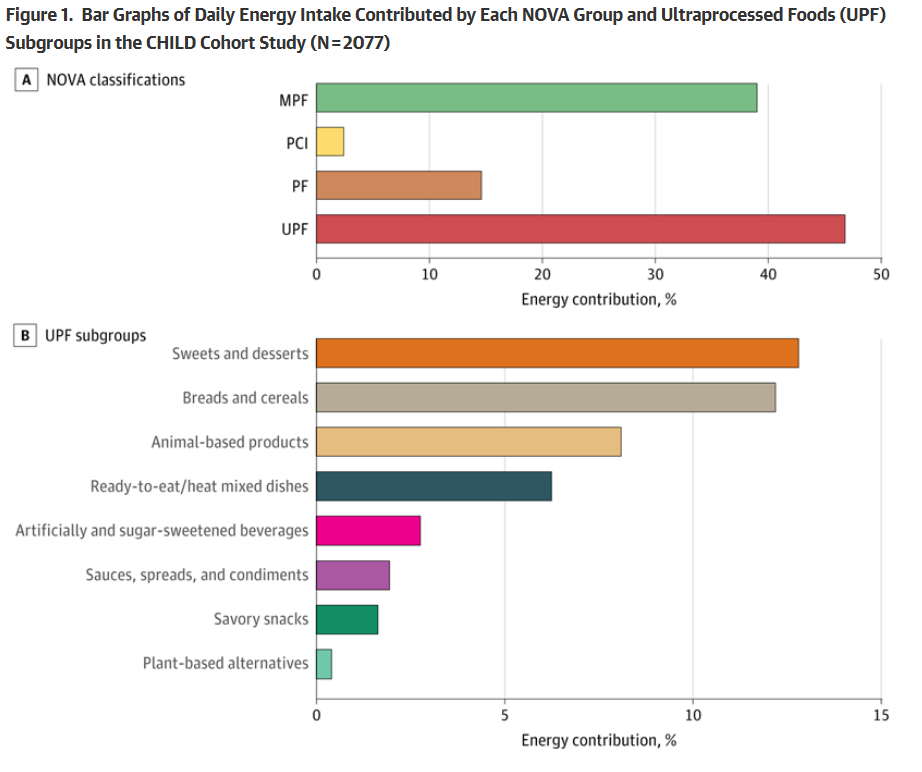
A cohort analysis of preschoolers in Canada has led the authors of the paper to call for bans...
What AI Can't Do: Humanity’s Last Exam

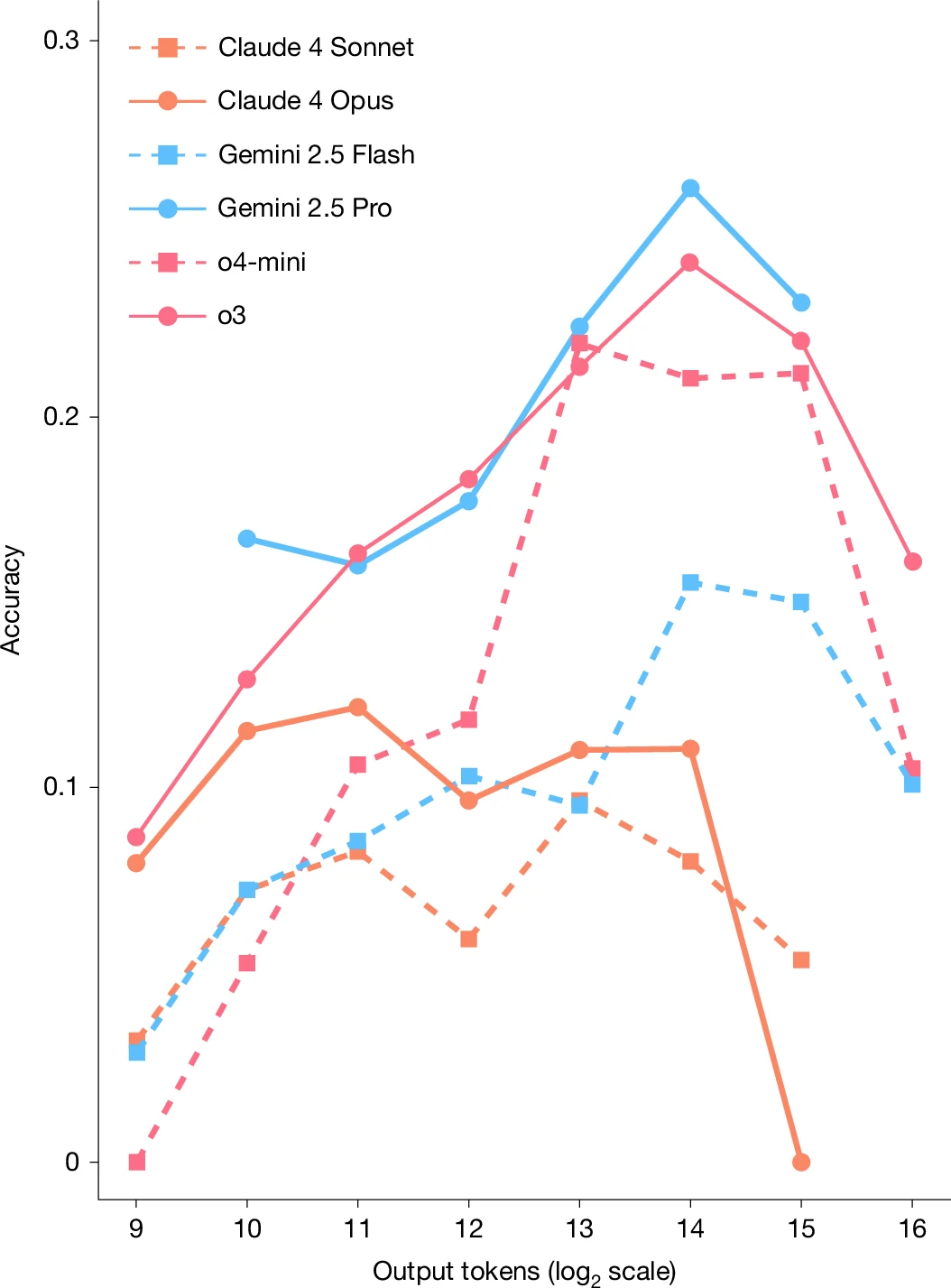
By this time 26 years ago, the "Dot-Com Bubble" was ready to burst. People who wanted to raise...

Does NBA Income Inequality Impact Team Performance?

A new paper says that players where a few superstars get the money leads to less cooperation and...
Dogs And Coffee: Finally, Epidemiology You Can Trust

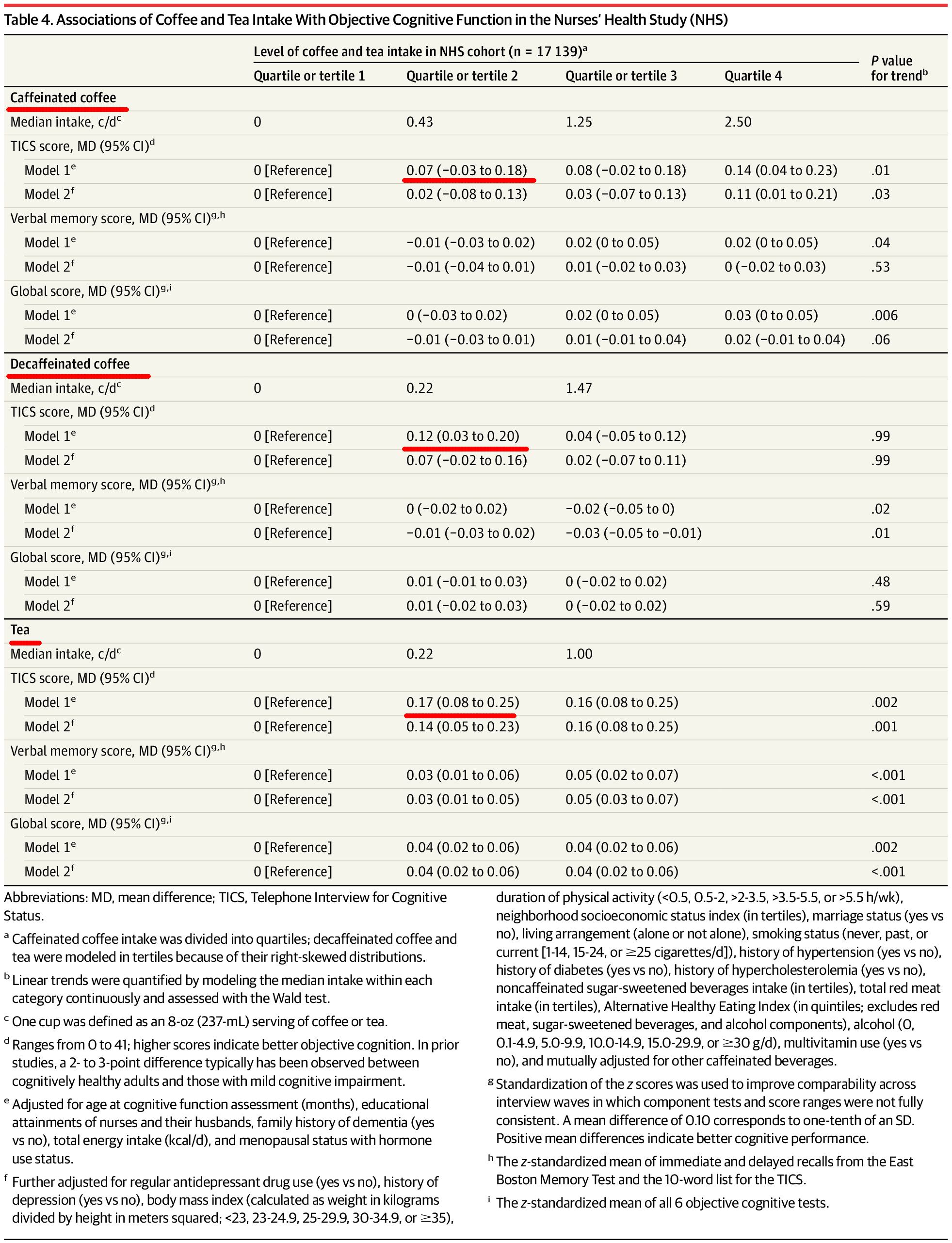
In 2026, it is easy to feel intellectually knocked around by all of the health claims you read...

User picture.
picture for Hontas Farmerpicture for picture for Tommaso Dorigopicture for Fred Phillipspicture for Atreyee Bhattacharyapicture for Patrick Lockerby
Hank CampbellRSS Feed of this column.

I founded Science 2.0® in 2006 and since then it has become the world's largest independent science communications site, with over 300,000,000 direct readers and reach approaching one billion. Read More »

Blogroll
Nothing killed science culture more than Spock from the 1960s television show "Star Trek." He was wildly popular because he was so logical and reasoned. Emotions did not enter into his decisions. Scientists flocked to that mystique and so a whole generation of scholars sought to be dispassionate and data-driven in their interactions with the public.
In 2015, I predicted that someone was going to end up in the hospital due to overdoses on supplements.

But don't you always say they are useless placebos? a friend asked.

No, they are not all placebos, but products sold as supplements that do something are either actual drugs, like kratom, and thus should be regulated as drugs, they are useless placebos adulterated with actual drugs, like many Internet erectile dysfunction and diet pills, or they are useless in normal doses but toxic at high levels. 

Like Vitamin D.
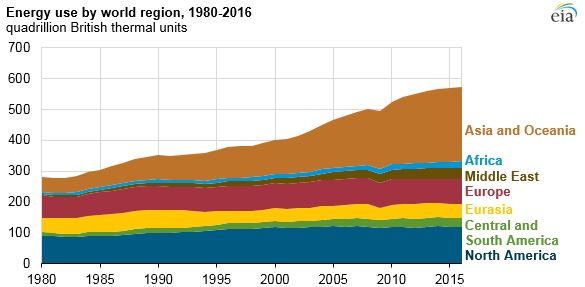
As the world's most powerful economy, we read a lot about how America needs to do more to use cleaner energy, and less of it. 
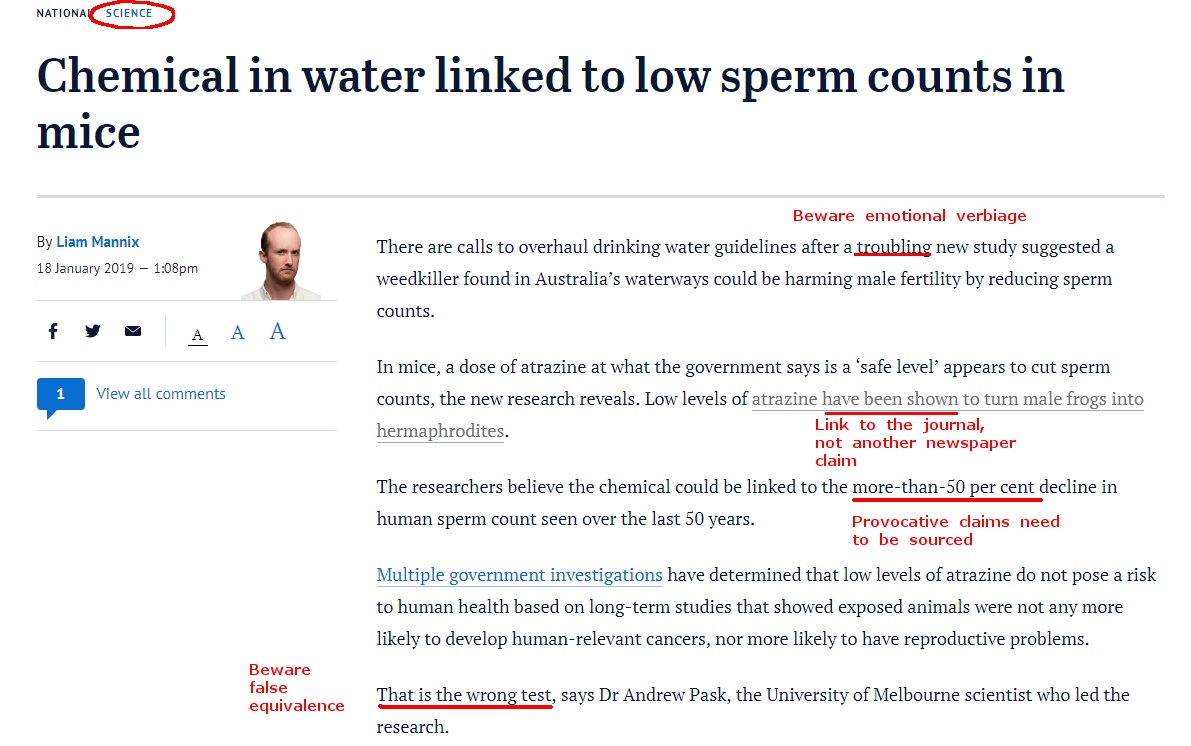
Anti-science activists are having a field day on social media, happy that a poorly designed study can let them claim that human sperm is being damaged by modern pesticides, even though the study found nothing of the kind. 
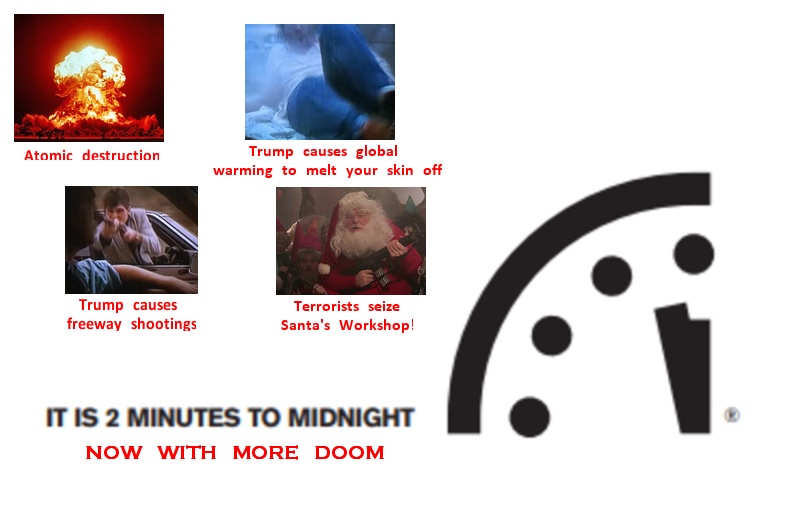
The Doomsday Clock, a public relations stunt created by Bulletin of the Atomic Scientists (1) remains stuck at two minutes until midnight. Just like it was in 1953, the height of the Cold War, when school kids did drills about hiding under desks and everyone built bomb shelters.

Today their worry is still nuclear bombs, they assure us, but also global warming and President Trump, and that is why they have solemnly announced that the Doomsday Clock is still at 2 until midnight, with midnight being the End Of The World.
A team of sociologists say they know of a sure way to hurt environmental protection: Elect a Democratic president. 

An analysis of over 20,000 people from the General Social Survey between 1973 and 2014 found that support for environmental spending consistently plummeted during the administrations of Presidents Jimmy Carter, Bill Clinton and Barack Obama. There are other known factors in regulatory support; the older people get the less they support more regulations, but it is a surprise to find that relative support for environmental regulation changes depending on which party is in the White House.