If you are skeptical of nutrition advice in general, or Miracle Vegetable of the Week claims in mainstream media, you have good reason: In a world where the United Nations body on cancer meta-analyses, which self-identifies as the most important carcinogen-finder in the world,
lists sausage as the same level of hazard as cigarettes and mustard gas, it's fine to roll your eyes and groan and wonder how long before yet another meaningless Prop. 65 warning label shows up in California.
Organic food has managed to wrap itself in both a health and ethical halo and a lot of the credit for that has to go to outstanding marketing and the work of trade groups that represent organic farmers. They have turned what was once a niche market focused on a different process into a $100 billion juggernaut where mothers chide other mothers as bad parents if they don't buy organic.
That will be taught in business classes for decades.
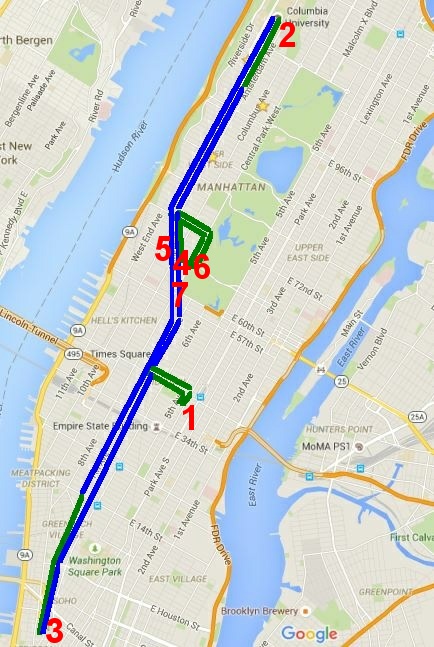
It's Halloween and I am in New York and I wanted to do something local. But since Sleepy Hollow does not have a way to get there by subway (I don't even know where I would rent a car in Manhattan, I suppose I could get there by bus, but even using a subway is a populist stretch for me) I instead decided to get up and create a Ghostbusters tour. Why? Because even though only three actual weeks of filming took place here, it is strongly associated with the city.
Fortunately I am just a few blocks from Spook Central where all of the real action takes place, and almost all of it was on a subway line, minus some technology hiccups.(1)
In 2014, one person confirmed with Ebola set off a panic in the United States. Though 28,000 people died of heart disease while media attention focused on that outbreak, and anti-vaccine parents on the West Coast were suddenly prepared to spend any amount of money to get their kids immunized against it, what happened with pandemic preparation after the fear subsided was...not much.
The fact is, we tend not to think about disaster preparedness unless disaster is already upon us. This makes some sense, of course, because people may be hungry right now so there isn't much point to spending money worrying about a volcano - but pandemics are so devastating and so rapid in their effects that it almost demands there be some level of preparedness.
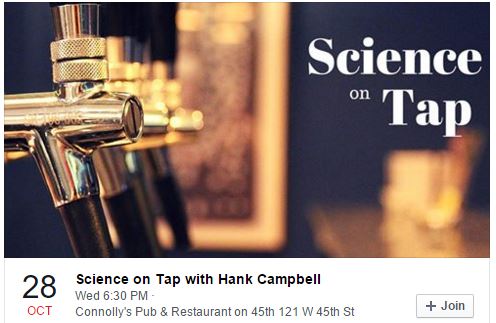
If you are in Manhattan or one of the five boroughs or New Jersey or Long Island and want a free beer and to talk about science communication, you are invited to join me as guest of honor at the Science On Tap event, October 28th from 6:30-9:30 PM.
The location is Connolly's Pub&Restaurant at 121 West 45th Street.
The sci-fi comedy "Back To The Future" is a seminal piece of modern cinema. Like "Blade Runner" (and unlike most movies of any kind, much less science fiction, where special effects are important) from the same period, it holds up really well.


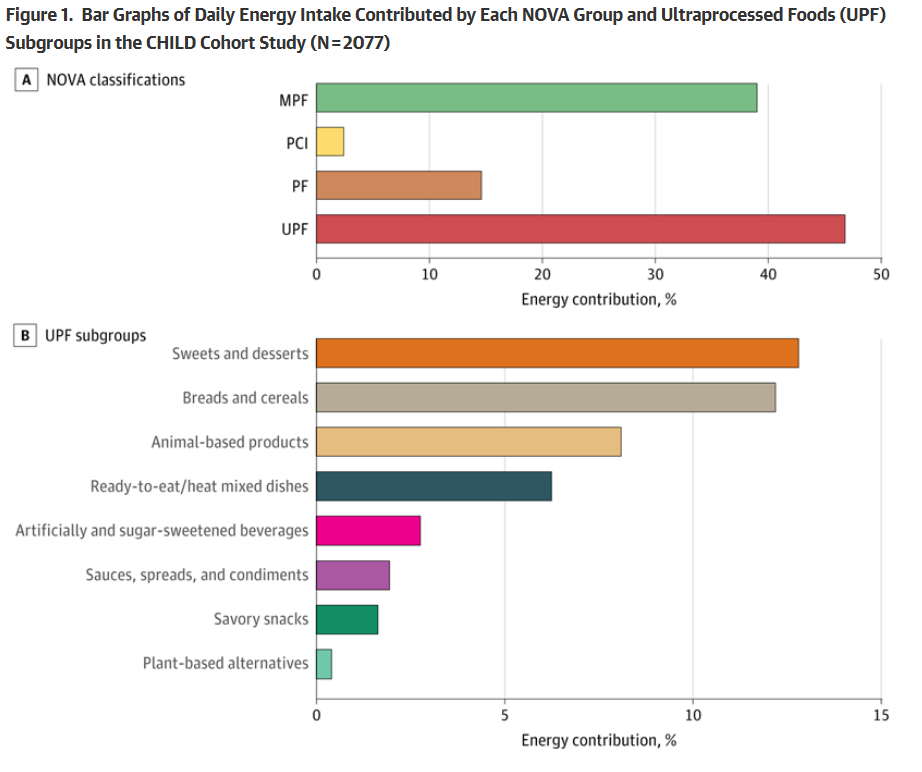 Canadian Epidemiologists Claim Processed Foods Cause Bad Kids
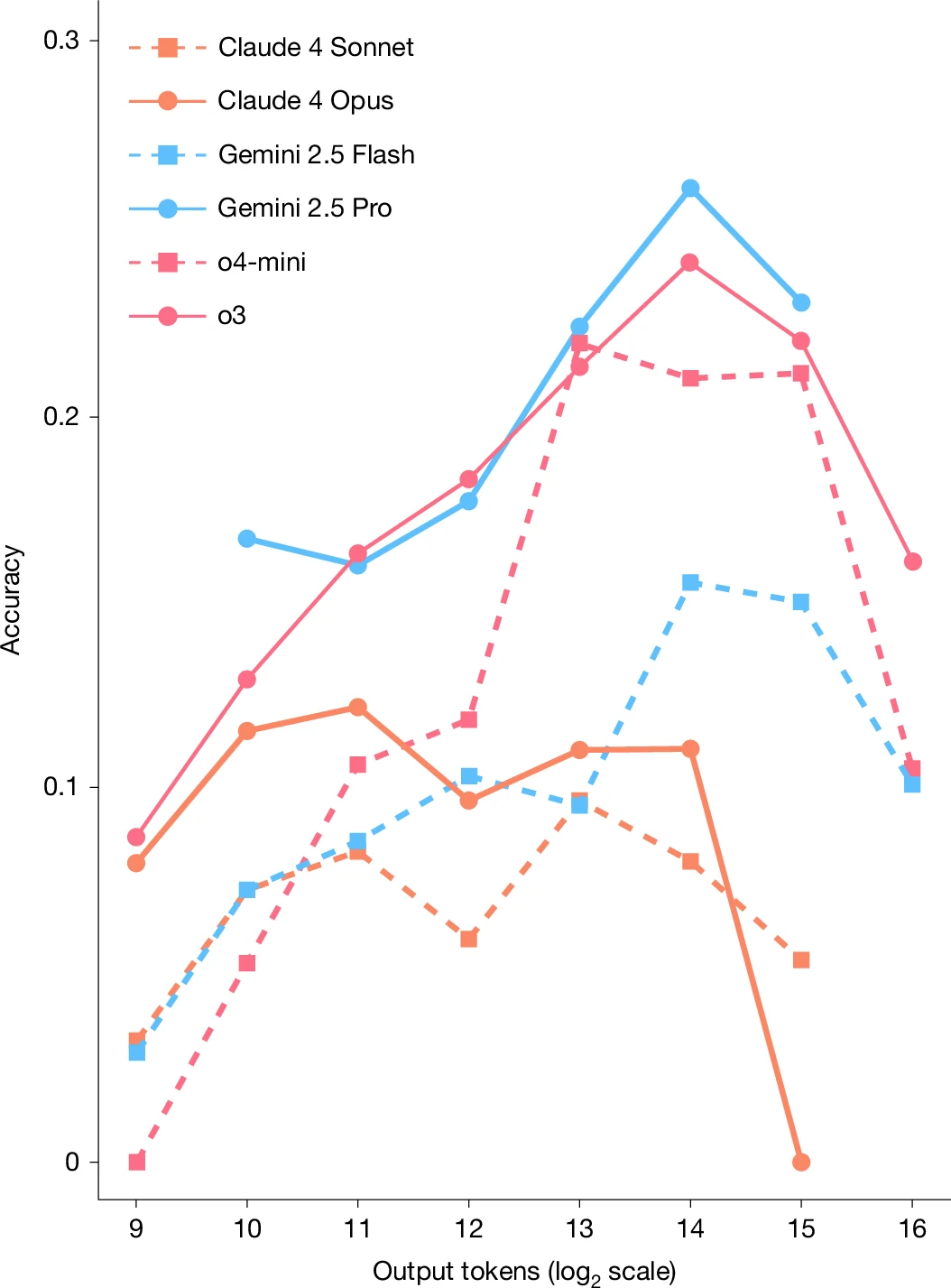 What AI Can't Do: Humanity’s Last Exam
 Does NBA Income Inequality Impact Team Performance?
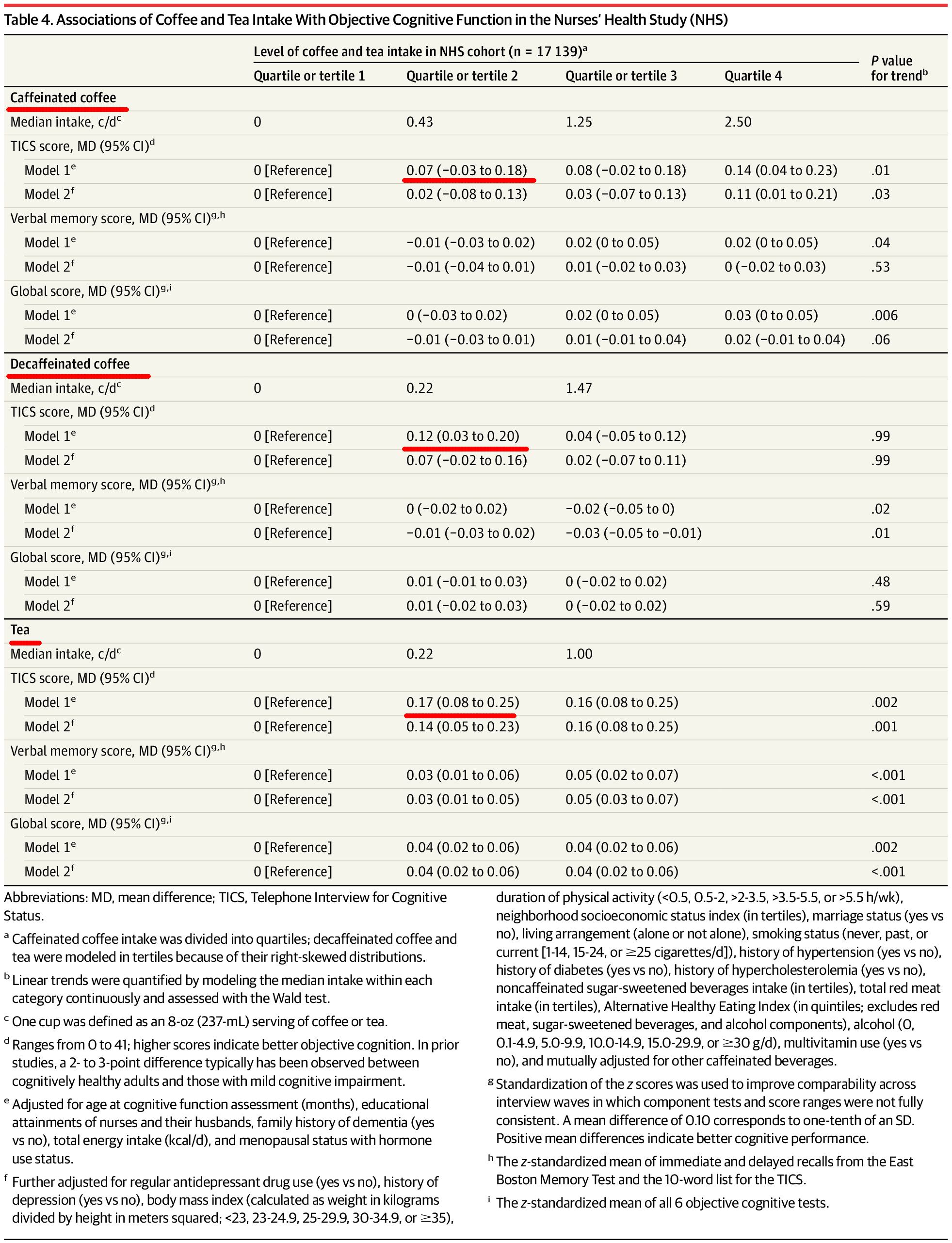 Dogs And Coffee: Finally, Epidemiology You Can Trust