Fake Banner
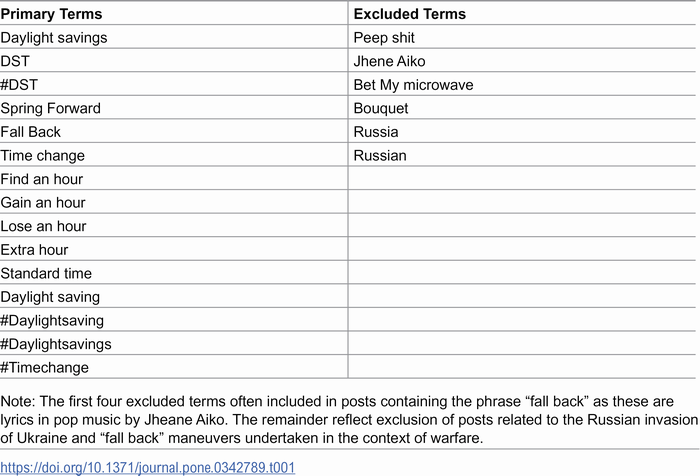
Spring Forward Fall Back: We Hate Changing Clocks But Hate One Change Most

In 1918, with Gen Black Jack Pershing off to France to stop the Germans in World War I, the United...
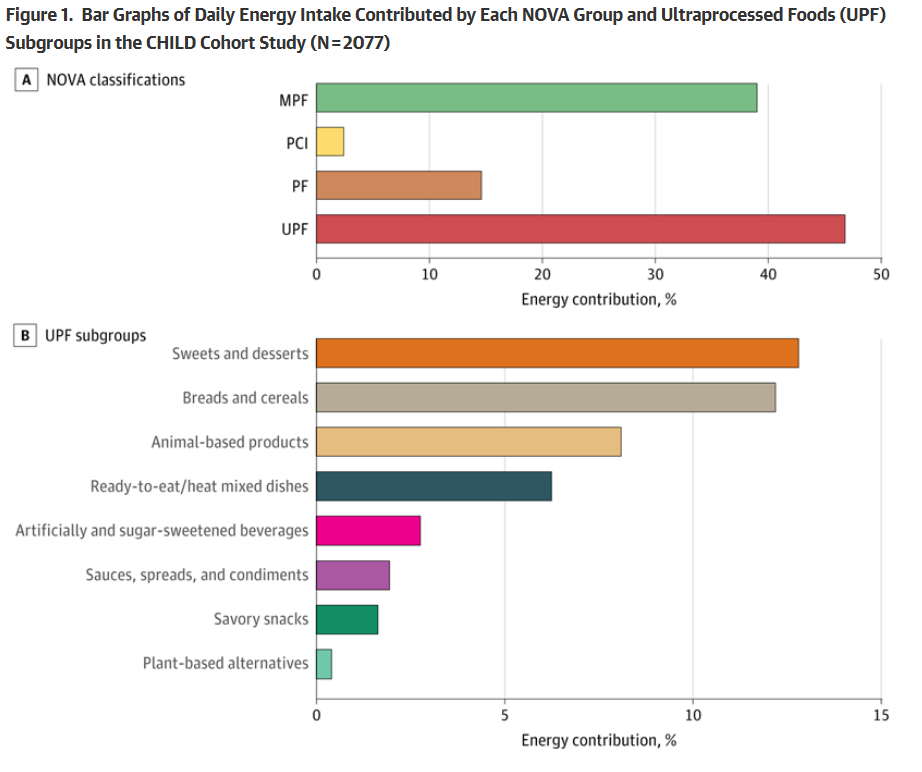
Canadian Epidemiologists Claim Processed Foods Cause Bad Kids

A cohort analysis of preschoolers in Canada has led the authors of the paper to call for bans...
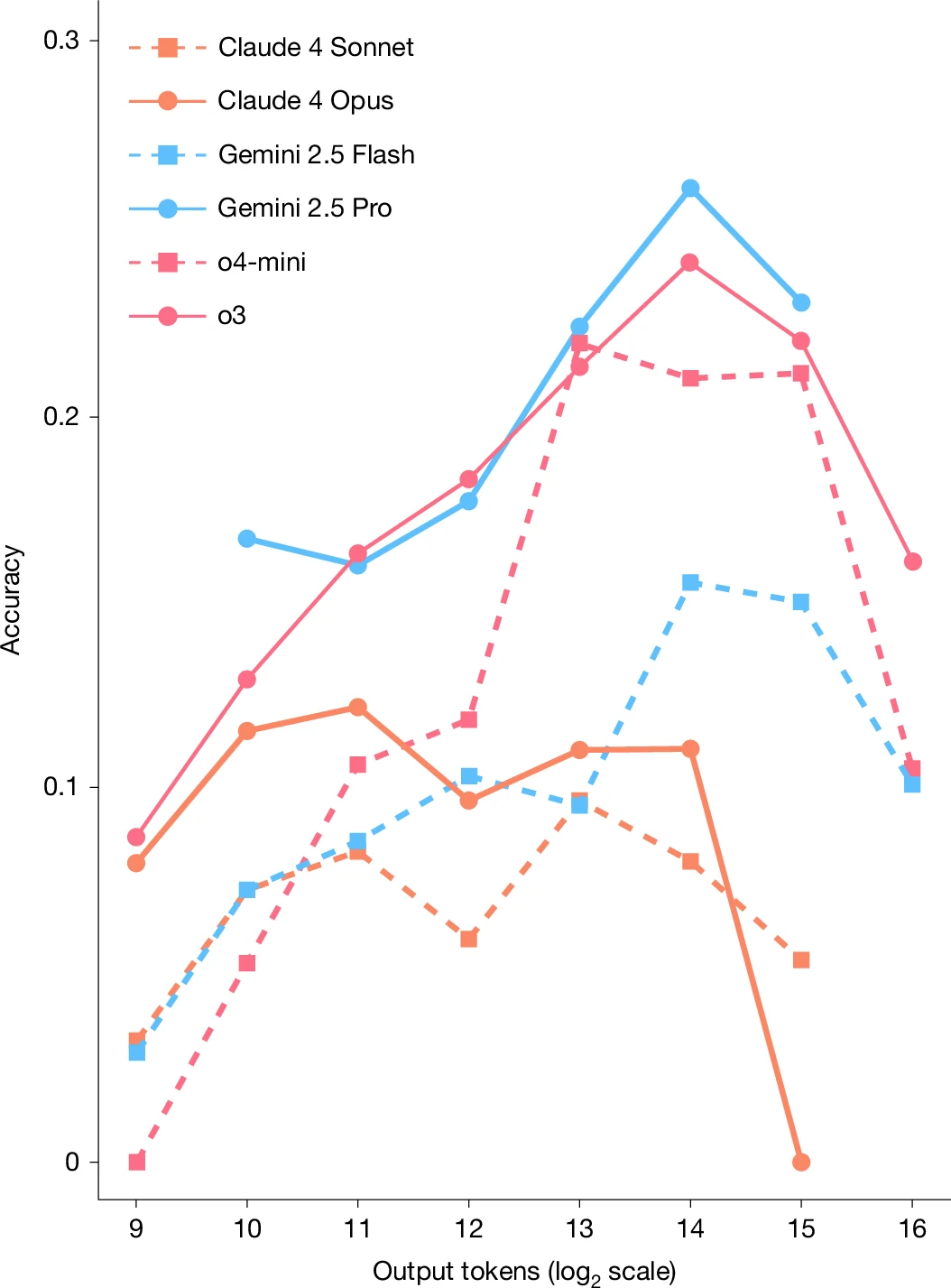
What AI Can't Do: Humanity’s Last Exam

By this time 26 years ago, the "Dot-Com Bubble" was ready to burst. People who wanted to raise...

Does NBA Income Inequality Impact Team Performance?

A new paper says that players where a few superstars get the money leads to less cooperation and...

User picture.
picture for Tommaso Dorigopicture for Hontas Farmerpicture for picture for Fred Phillipspicture for Atreyee Bhattacharyapicture for Patrick Lockerby
Hank CampbellRSS Feed of this column.

I founded Science 2.0® in 2006 and since then it has become the world's largest independent science communications site, with over 300,000,000 direct readers and reach approaching one billion. Read More »

Blogroll

20 years ago, your parents knew there were two things you did not discuss with dinner guests. Your grandparents knew it, your great-grandparents knew it. 2,000 years ago people knew it.

In 2014, we are so much smarter we no longer know it.

Maybe some surveys will help. And so to help us out, two papers address the most pressing topic in popular culture -  how people feel about being un-friended on Facebook. Ironically, they found this out by surveying people on Twitter.

In Science Left Behind I wrote a segment about a national discrimination issue that was eroding not only science, but the very notion of fairness in our culture.

No, it wasn't the lack of Republicans in faculty jobs at universities. It was instead that, for decades, schools had been using skin color to routinely impede the chances for the best students to get admitted. They were using racial profiling to skew who got to attend.

This wasn't 1950s Alabama, it was - and is - mainstream academia from the 1970s on.
Apparently the EPA has not yet discovered how to do a video conference.

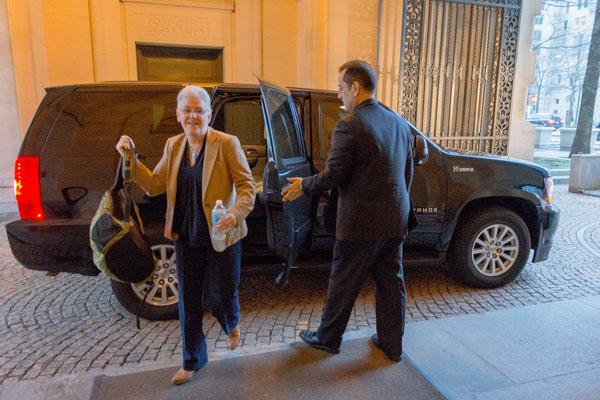
The U.S. Environmental Protection Agency has announced that Administrator Gina McCarthy will promote President Obama’s Climate Action Plan to cut carbon pollution, slow the effects of climate change and leave a cleaner environment for future generations by doing an Earth Week Tour, flying around to talk about how we should cut emissions.

She likes to fly. When she is not flying around to save all of us from emissions, she is commuting to Washington, D.C. weekly from her home in Boston.
A decade ago, science academic was worked into a holy war by the belief that President Bush hated science. What were the reasons? They are hard to remember now. He federally funded human embryonic stem cell research for the first time - but he limited it to existing lines.  That was a big one, for people who were never voting for a Republican anyway. 

It was a more gullible time. Political activists had no trouble at all spreading the belief that it was a "ban", something that would be impossible today, because we learned how to read and use Google since then. 

10 years later, White House acceptance of science has not only not improved, it is worse than ever, and no one outside the kookiest fringes is blaming Republicans for it. 
Sid Salter, director of public affairs at Mississippi State University, writes in the Jackson Clarion-Ledger that labels have gone too far.

Earth Day is fast approaching and, let's face it, if you celebrate Earth Day you probably hate science. And you really hate chemists. 

But there has never been a reason for it, it is simply modern chemophobia. If you ask an environmentalist if they should use a chemical solvent or baking soda to clean, they will say baking soda - but baking soda is a toxic synthetic chemical (NaHCO3) unless it is used properly, where it is harmless and biodegradable.