Fake Banner
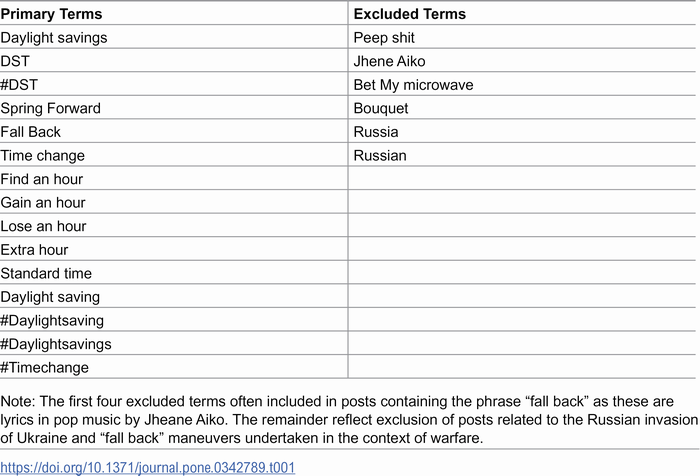
Spring Forward Fall Back: We Hate Changing Clocks But Hate One Change Most

In 1918, with Gen Black Jack Pershing off to France to stop the Germans in World War I, the United...
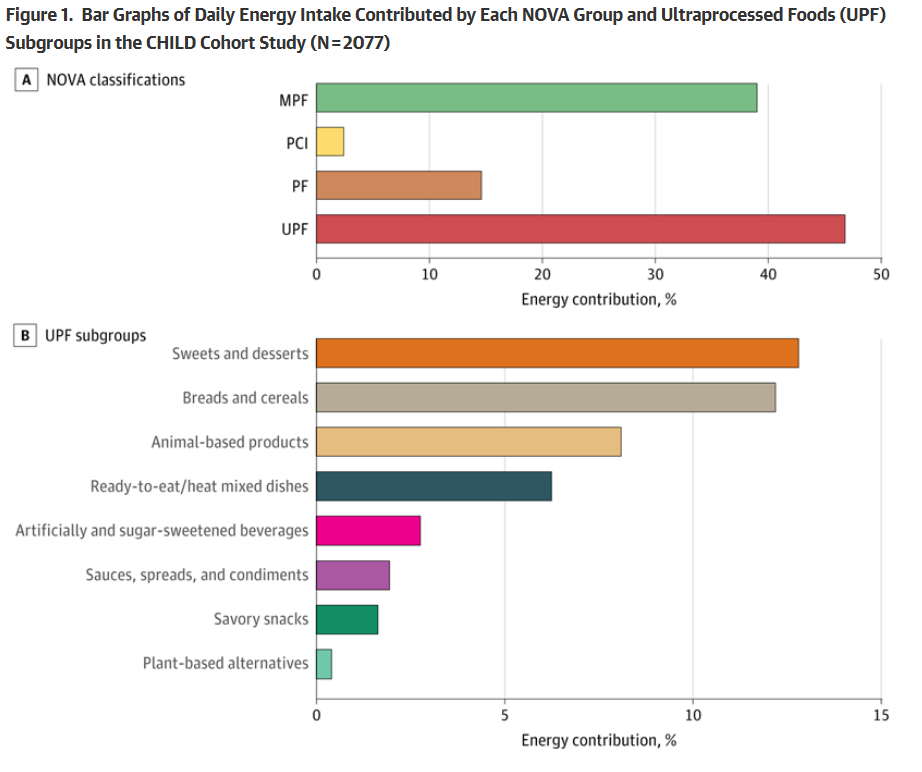
Canadian Epidemiologists Claim Processed Foods Cause Bad Kids

A cohort analysis of preschoolers in Canada has led the authors of the paper to call for bans...
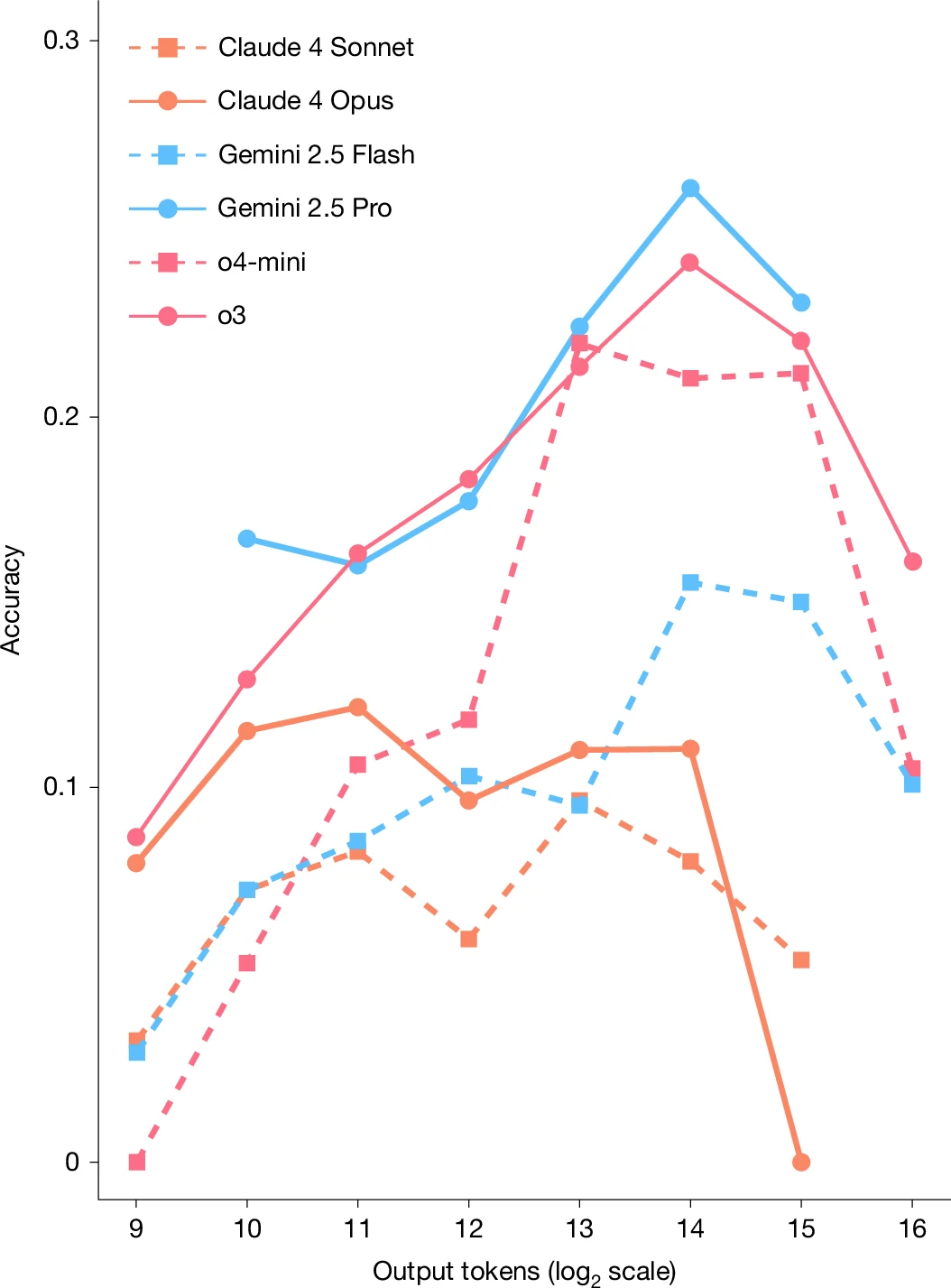
What AI Can't Do: Humanity’s Last Exam

By this time 26 years ago, the "Dot-Com Bubble" was ready to burst. People who wanted to raise...

Does NBA Income Inequality Impact Team Performance?

A new paper says that players where a few superstars get the money leads to less cooperation and...

User picture.
picture for Tommaso Dorigopicture for Hontas Farmerpicture for picture for Fred Phillipspicture for Atreyee Bhattacharyapicture for Patrick Lockerby
Hank CampbellRSS Feed of this column.

I founded Science 2.0® in 2006 and since then it has become the world's largest independent science communications site, with over 300,000,000 direct readers and reach approaching one billion. Read More »

Blogroll
If you subscribe to New Scientist, you can read an excerpt of "Science Left Behind" by their editors, drawn from the book and dealing with some of the more nonsensical ways progressives get catered to by politicians who are happy to check science, reason and data at the door if it will get out some votes; in this case by replacing plastic utensils in the Congressional cafeteria with corn-based ones that melted in soup and couldn't cut anything.

In the United States, billions of dollars have been spent on marketing to convince people to go into science careers, despite the difficulty many PhDs will have finding jobs in academia. That, coupled with the fact that efforts are on to make funding more 'equal' and establish quotas for young researchers, minorities and female grant applicants means a finite funding pool could be even more limited. The best and brightest, regardless of demographics, could end up leaving to other countries where science is more of a meritocracy.

When fiscal hawk Sen. Tom Coburn set his sights on waste (funding humanities nonsense) and duplication at the National Science Foundation, there was outrage that a politician might actually look out for how taxpayer money was used.

Can anyone ever truly take credit for a discovery? Every researcher stands 'on the shoulders of giants', as Sir Isaac Newton said. Scientists talk to each other and argue and hone their thoughts based on the criticisms and reactions they get. No one lives in a bubble and great things happen when a lot of smart people know each other and debate as often as possible.

But when the debates are well-known, it's difficult to assign credit and far too easy to take it away. In modern times, tearing down statues of giants and standing on the rubble happens more often than standing on their shoulders and reaching new heights. And everyone wants to stand on the rubble of Albert Einstein.

We love our modern gadgets, so we sometimes forget we still have an energy problem our Founding Fathers faced - and it impacts everything from the usability of solar power to the uptake of electric cars also.
Some people believe in magic. In Science Left Behind, in the process of debunking claims that one American political party is overwhelmingly pro-science and one is anti-science,  we put a handy chart on page 213 itemizing the various anti-science positions of registered voters.  Sure, evolution and climate change was higher on one side but the list of anti-science beliefs by the other side was as long as your arm - astrology, psychics, ghosts, UFOs, homeopathy, you name it and that global-warming-accepting party is more anti-science - they just have better public relations.